Is The Transfagarasan Road Currently Open?
The Transfăgărășan high section from Sibiu is a summer road: reopened 12 June 2026, daily 07:00 to 21:00, closable any day from 20 October. Here is how to read the rules and check the live status.
Sibiu, in Transylvania, Romania, sits at the foot of the Făgăraș mountains, and the Transfăgărășan (DN7C) is the famous road that climbs from that foothill country to Lake Bâlea at 2,034 m. The question every driver asks before setting out is simple: is it open? The honest answer is that the high section is a seasonal mountain road governed by a published rule, not a permanent status. It reopened for the 2026 season on 12 June, runs daily 07:00 to 21:00, and by rule can be closed on any day from 20 October onward. Any page that tells you it is "open today" without a date is guessing, and this one will not do that. The Sibiu Travel Guide desk here reports what the road rule, the reopening coverage and the operator pages say, and points you to the live check you should make the morning you drive.
Is The Transfagarasan Road Currently Open?
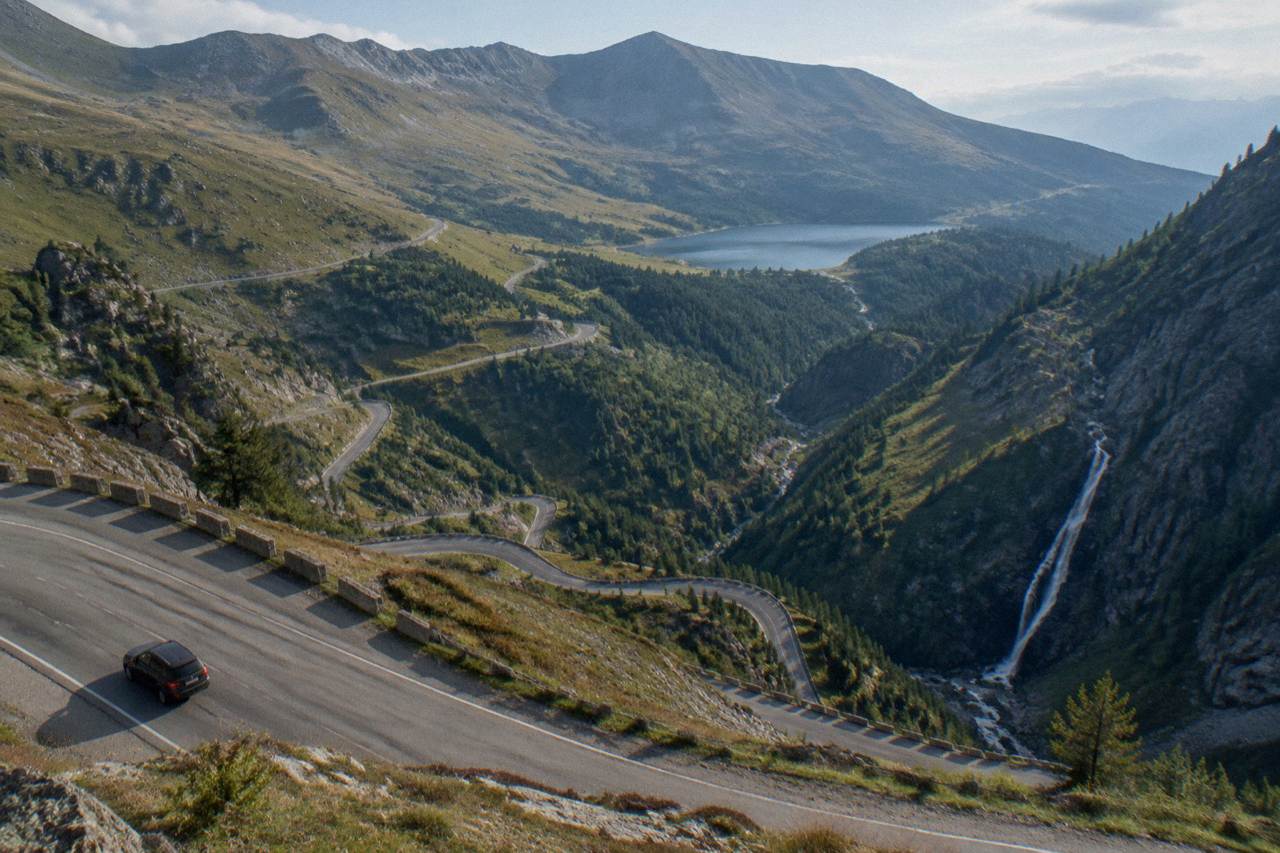
The high section of the Transfăgărășan between Bâlea Cascadă and Piscu Negru reopened for the 2026 season on 12 June and, while open, admits traffic only daily from 07:00 to 21:00. By rule the road authority can close the alpine stretch on any day from 20 October, and snow can shut it earlier or hold it later, so no page can honestly promise it is open on a given morning without a live check. On 23 September 2026 the road was still open in winter conditions at the top, with ploughs and salt working at Bâlea Lac. What its status was after that date, the sources available do not say. The only reliable method is to check the Romanian road authority's live traffic status on the day you drive, and to have a plan B for the morning it reads "closed".
Two practical points follow from that rule. First, the closure line is the alpine stretch: the lower parts of the DN7C, on both the Sibiu side and the Argeș side, stay open as ordinary roads, and the Bâlea Cascadă car park at the foot of the climb remains reachable from Sibiu year round. Second, the reopening is never a single fixed calendar date either. The 2026 season began on 12 June at 12:00; other years have differed, because the road opens when the snow line allows. If you are planning a trip for early summer, treat mid-June as the pattern rather than a promise, and check the status then too.
For planning the drive itself, the companion page on how long the Transfăgărășan takes to drive covers timings, and the Sibiu and Transfăgărășan itinerary fits the road into a wider Transylvania route.
When Does The Transfăgărășan Road Open And Close Each Year?
The Transfăgărășan high section is a summer road with a seasonal window that has run from roughly mid-June to late October in recent years: the 2026 season opened on 12 June with daily hours 07:00 to 21:00, and the published rule allows closure on any day from 20 October. Snow, not a calendar, makes the final call, so the road can shut before that date or survive a little past it, and the authority decides day by day. The reopening is announced each spring and reported in the Romanian press; the closure is usually confirmed with short notice once snow settles on the alpine stretch. Nothing in the rule guarantees a date in either direction.
| Item | The 2026 rule or fact |
|---|---|
| 2026 reopening | 12 June, 12:00, Bâlea Cascadă to Piscu Negru |
| Daily hours while open | 07:00 to 21:00 |
| Earliest closure date by rule | 20 October, any day |
| Status on 23 September 2026 | Open, winter conditions at the top |
| Status after 23 September 2026 | Not reported in the sources checked |
| Fine for driving the closed section | 10,000 to 30,000 lei |
That fine row deserves its own emphasis. Driving the closed alpine section is not a small ticket: under the law in force since November 2025 it carries a fine of 10,000 to 30,000 lei, figures reported in the same coverage as the reopening. Barriers and signage mark the closure, and the fine exists precisely because drivers cut around them. The safe habit is to treat the barrier as final and turn back to the cable car or to an alternative route.
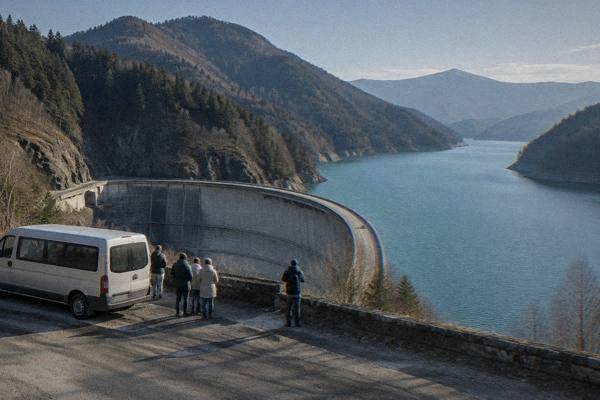
If your dates fall inside the window, a guided day trip is one way to leave the driving to someone who runs the road all season: Check availability for the Transfăgărășan and Vidraru dam tour, which pairs the high road with the dam on the Argeș side.
How Do You Get To The Transfăgărășan From Sibiu?
From Piața Mare in Sibiu's old town, the Bâlea Cascadă end of the Transfăgărășan is about 63 km by road, a computed free-flow drive of about 69 minutes, and the lake itself at the top is about 76 km, roughly 88 minutes to the lake pin. These are routing figures, not timetables: they assume clear roads and no snow convoy, and the last kilometres of the climb are slow by design. The route leaves Sibiu on the DN7 toward the Olt valley and branches onto the DN7C at the mouth of the Bâlea valley. Fuel and supplies are easier to sort in Sibiu than on the mountain.
One roadworks note matters for the same journey in autumn 2026. The Sibiu to Boița stretch of the A1 motorway toward Boița and Pitești is closed from 5 October to 19 December 2026 for overpass works, with traffic diverted onto the DN7, so allow extra time on any road heading south out of the Sibiu area in that window. The dates are as reported in the roadworks coverage, and the diversion itself is confirmed. This does not block the DN7C turn-off, but it loads more traffic onto the valley road you will use.
| Destination from Piața Mare | Distance by road | Free-flow drive time |
|---|---|---|
| Bâlea Cascadă (road entrance) | about 63 km | about 69 minutes |
| Lake Bâlea (top of the road) | about 76 km | about 88 minutes |
| Cetatea Făgăraș (via the Olt valley) | about 75 km | about 80 minutes |
| Mănăstirea Cozia | about 76 km | about 80 minutes |
A wider Transylvania road trip from Sibiu shows how the road slots into a loop with Brașov or the Saxon villages, and the dedicated Transfăgărășan day trip guide covers the stops along the climb.
What Are The Daily Hours And Rules While The Road Is Open?
While the high section is open, traffic is admitted only between 07:00 and 21:00 daily, and outside those hours the stretch is closed to through traffic. The hours are part of the reopening rule for 2026, reported with the 12 June opening, and they apply to the alpine stretch between Bâlea Cascadă and Piscu Negru rather than to the whole DN7C. The gates are physical: the road is barred outside the window, and the same fines for driving the closed section apply outside hours as outside the season.
Practical consequences follow. A dawn start from Sibiu to beat the crowds still has to respect the 07:00 gate at the bottom, so the useful calculation is not "when do I leave Sibiu" but "when do I reach the barrier". In high summer, late afternoon on the descent is one way to find quieter tarmac, with the 21:00 close as the hard back stop. Weather on the pass changes fast at 2,000 m: the same coverage that confirmed the road open on 23 September described winter conditions at the lake, in what is nominally early autumn. Carry layers regardless of the forecast in Sibiu, which sits at 415 m and can be warm on the same morning the top is near freezing.
Can You Still Reach Bâlea Lake When The Road Is Closed?
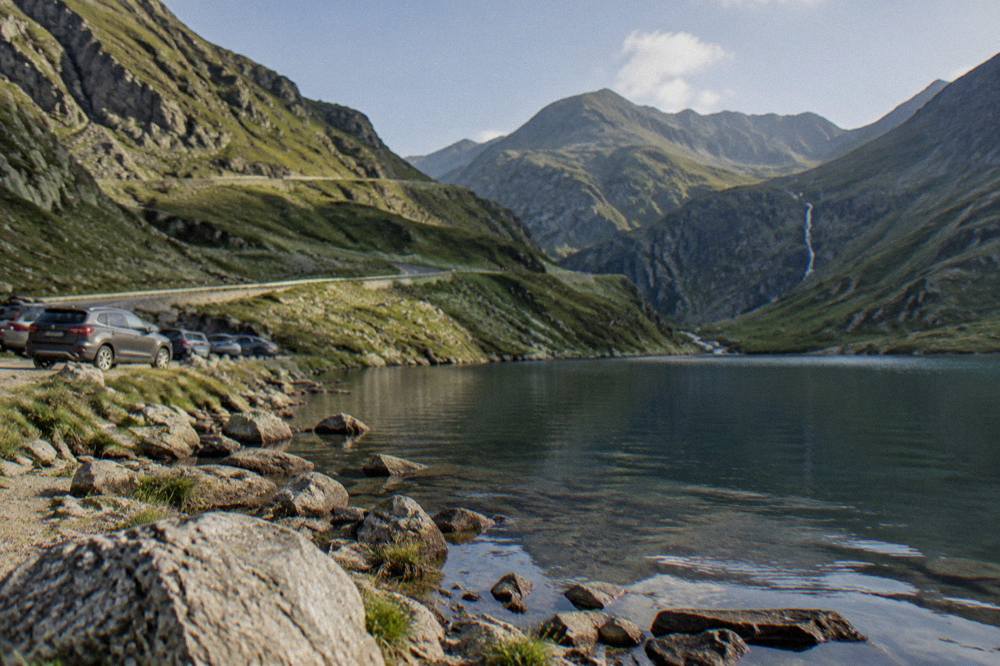
Yes, by cable car: the Bâlea Cascadă to Bâlea Lac cable car keeps running into October and November as the winter access when the road is shut, per the operator's own page, which lists hours of about 09:00 to 18:00, departures roughly every 30 minutes and a ride of about 15 minutes. Its ticket price is not clearly confirmed in the sources checked, so check the current price with the operator before you go. The cable car station sits at the Bâlea Cascadă car park, which stays reachable from Sibiu by the ordinary valley road when the alpine stretch is barred.
That makes the closed-season trip a different shape rather than a cancelled one. You drive about 63 km from Sibiu to the waterfall car park, ride up over the closed road in the gondola, and spend time at the lake on foot. The lake at 2,034 m is a cold glacial body of water, and the sources checked give no swimming rule either way, so treat swimming as off the menu rather than assumed. On the way up or down, the waterfall itself and the short walk to it are free open-air stops.
Whether a winter visit to the region is worth building a trip around is a fair follow-on question; the Sibiu worth visiting page makes that case for the city itself in every season.
What Are The Alternatives If The Transfăgărășan Is Shut?
The main alternative high road is the Transalpina (DN67C), which reopened for 2026 on 29 May and was reported at reduced hours of 09:00 to 18:00 from 26 September as weather set in, with no autumn closure date announced in the sources checked. Like the Transfăgărășan it is a seasonal mountain road, so the same advice applies: check the live status on the day. Lower alternatives, the Olt valley DN7 toward Râmnicu Vâlcea and the Făgăraș route, stay open year round.
The trade-offs are straightforward. The Transalpina is a longer outing from Sibiu and reaches even higher ground, with different scenery, long straights above the tree line and a more remote feel. The Olt valley road is the all-weather workhorse: it carries you past Cozia monastery, about 80 minutes from Piața Mare, toward the Vidraru dam area without any seasonal gate. Neither is a replacement for the Transfăgărășan's lake-and-switchback profile, but both deliver the mountains.
For readers weighing which Romanian driving road to build a trip around, the most scenic road in Romania page compares them directly.
Common Questions About The Transfăgărășan Road
Is The Transfăgărășan Road Currently Open?
The 2026 season opened on 12 June with daily hours of 07:00 to 21:00, and the rule allows the alpine stretch to be closed on any day from 20 October. It was open in winter conditions on 23 September 2026; status after that is not reported in the sources checked. Check the road authority's live status on the morning you drive.
What happens if I drive the closed section anyway?
Driving the closed alpine stretch carries a fine of 10,000 to 30,000 lei under the law in force since November 2025. The barriers are enforced, and the fine applies outside the seasonal window and outside the daily hours alike.
Can I reach Bâlea Lake in winter?
Yes, by the cable car from Bâlea Cascadă, which the operator's page says runs about 09:00 to 18:00, roughly every 30 minutes, with a ride of about 15 minutes, and continues into October and November as the winter access. Confirm the current ticket price with the operator before you go.
How long is the drive from Sibiu to the Transfăgărășan?
From Piața Mare it is about 63 km and about 69 minutes of free-flow driving to the Bâlea Cascadă entrance, and about 76 km and roughly 88 minutes to the lake at the top. Add time for the roadworks diversion on the A1 Sibiu to Boița stretch, closed 5 October to 19 December 2026.
Is the Transalpina open when the Transfăgărășan closes?
The Transalpina reopened for 2026 on 29 May and was reported at 09:00 to 18:00 from 26 September, with no closure date announced in the sources checked. It is also a seasonal high road, so check its live status the same day rather than assuming either road's state.