Ocna Sibiului: The Salt Lakes Near Sibiu
Ocna Sibiului is a small salt-mining town turned lakeside spa resort just outside Sibiu in Transylvania, Romania, where flooded former mine chambers have become deep, mineral-rich lakes used for bathing and therapeutic treatments.
Short answer
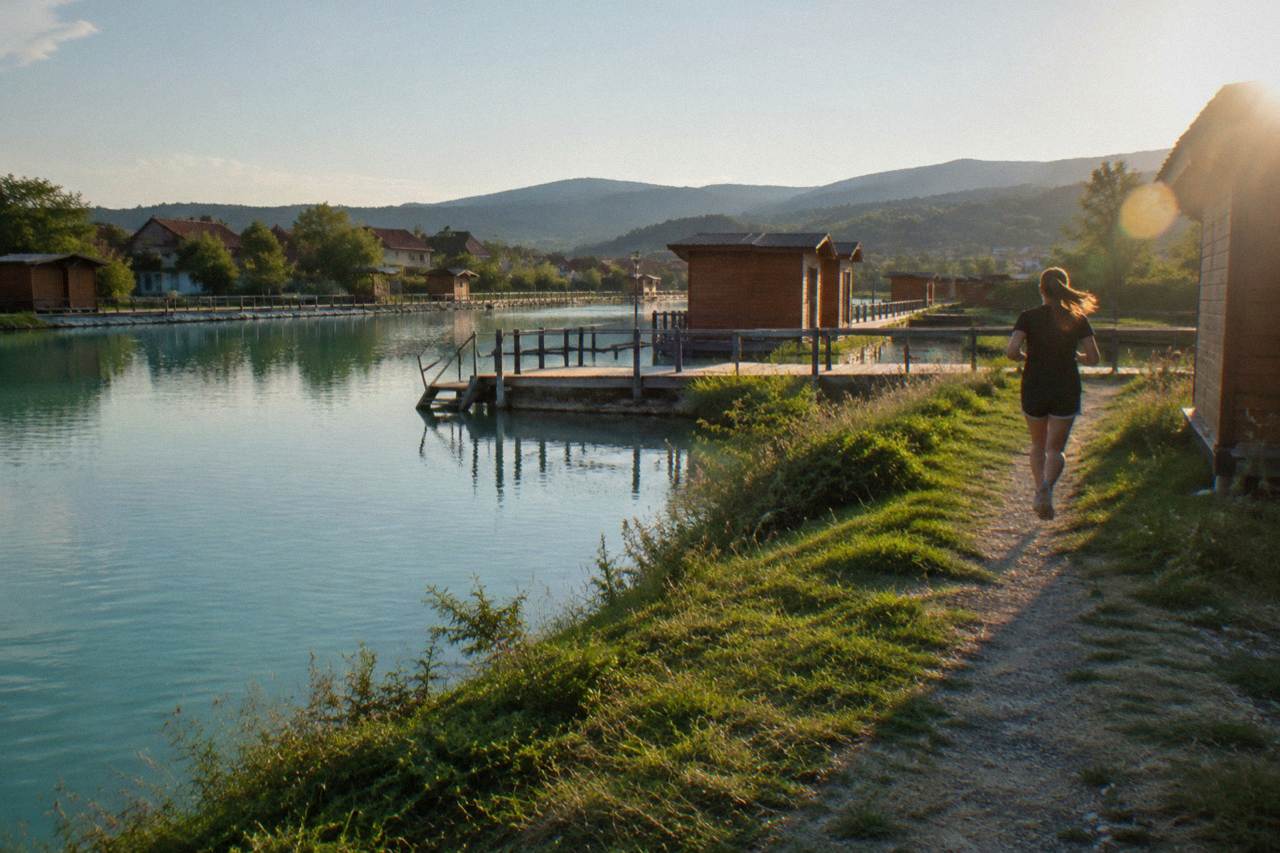
Ocna Sibiului is a spa town next to Sibiu in Transylvania, Romania, where old salt mines flooded and became stratified salt lakes. It works as a half-day escape for a swim, a spa treatment or a walk between the lakes, and it pairs naturally with the salt-mine theme of the region.
Ocna Sibiului is a small resort town a short drive north of Sibiu, the Saxon-founded city in Transylvania, Romania, where centuries of salt mining left deep underground chambers that later flooded and became a cluster of mineral lakes. The Romanian word for salt, "sare", and the old name of the place, "Ocna" from the Slavic term for a salt mine, say plainly what the town was built on. Today the lakes sit inside a park-like setting of wooded banks and spa facilities, and the site is one of the few places in the region where the mining past of Transylvania can be seen as water rather than rock.
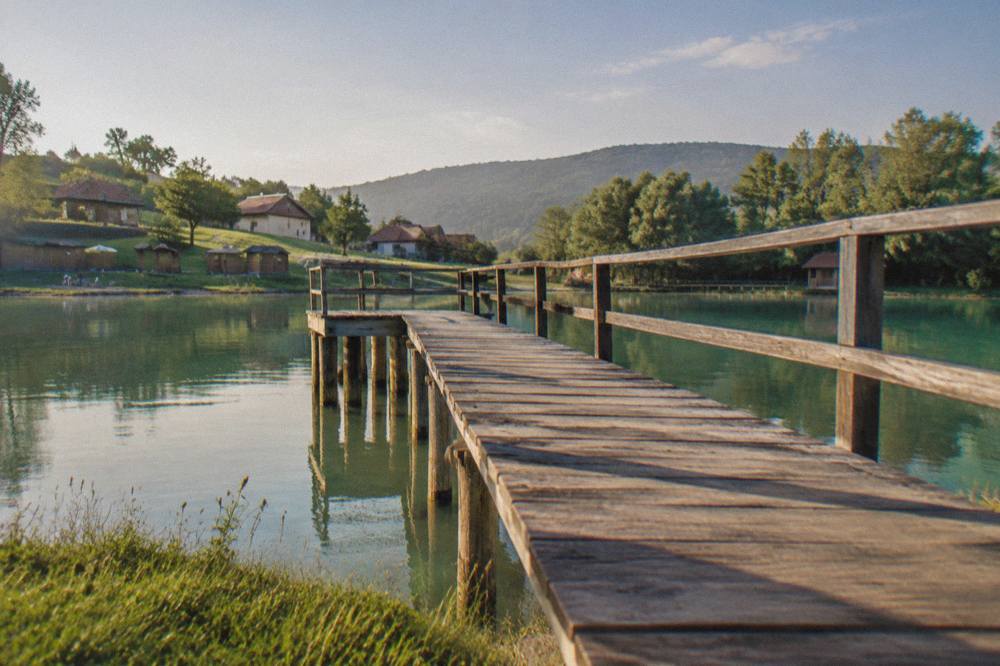
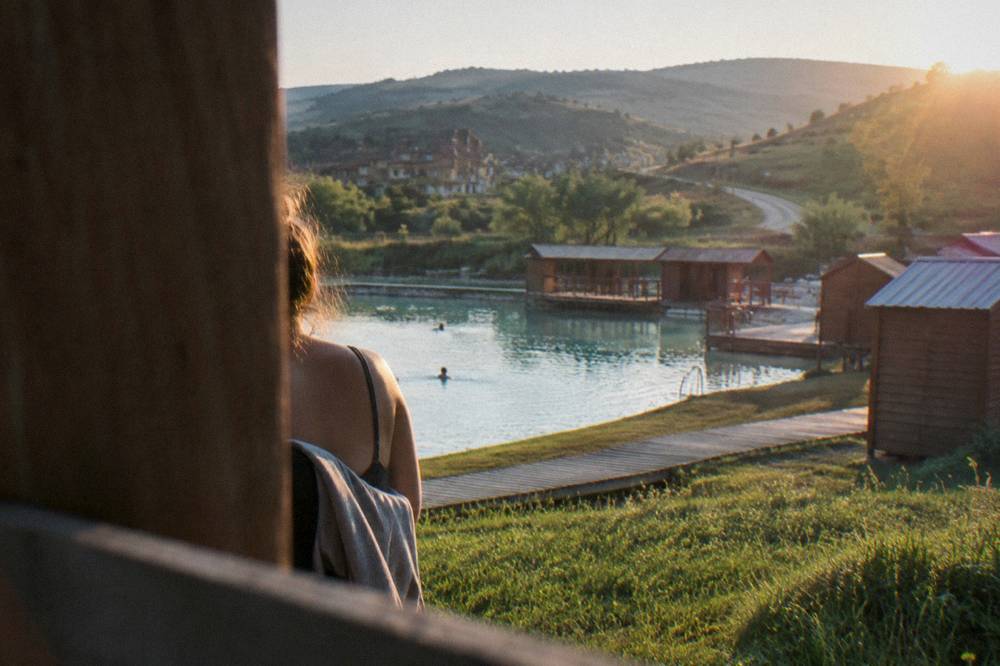
The lakes are the reason to come. Their water is saltier than the sea in the deeper layers, warm in summer at depth, and famously clear, with colours that shift from green to deep turquoise depending on the light and the mineral content of each basin. The town around them grew as a spa destination, with treatment facilities, hotels and walking paths threaded between the water and the forest. This guide sets out what the site offers, how it fits into a Sibiu itinerary, and what to check before setting off, because opening arrangements and treatment availability at the resort are best confirmed on the spot or at booking.
What Is Ocna Sibiului And Where Exactly Is It?
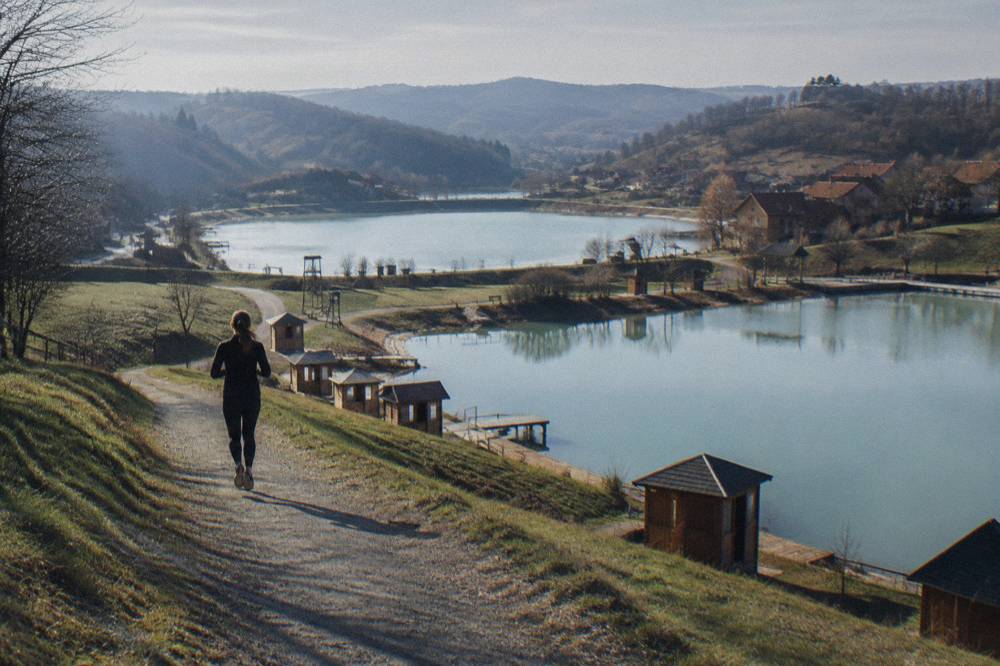
Ocna Sibiului is a former salt-mining town, today a spa and lakeside resort, sitting in the hills immediately north of Sibiu in central Transylvania, Romania. Salt was extracted here for centuries, and when the mining stopped the man-made chambers filled with groundwater and rain, forming the deep stratified lakes the site is known for. The town belongs to Sibiu county and is close enough to the city to work as a half-day trip.
The salt story is the whole identity of the place. Mining at Ocna Sibiului goes back to medieval times, and the network of chambers, shafts and galleries that the miners left behind proved impossible to keep dry once pumping ended. Water rose, dissolved salt from the walls and floors, and produced lakes in which the saltiest, densest water sinks to the bottom while fresher water floats on top. That layering, called heliothermy, is what lets the deep water hold summer heat, and it is the scientific basis for the resort's long bathing tradition.
The layout today is simple to grasp. Several named lakes sit in a compact area of sloping ground, each an old mine chamber with its own depth, colour and character. Spa infrastructure, including treatment wings and pools, occupies part of the site, while paths and tree cover make the rest of it a straightforward place to walk. The emergency number in Romania is 112, the currency is the leu (RON), and Romania is a full Schengen member, so none of the usual border formalities apply to visitors arriving from inside the zone.
How Far Is Ocna Sibiului From Sibiu And How Do You Get There?
Ocna Sibiului lies just north of Sibiu, close enough that the drive is measured in minutes rather than hours, which puts it among the easiest escapes from the city alongside Cisnădie at about 14 minutes and 10 km and Rășinari at about 18 minutes and 13 km. The route follows main roads out of the city towards the salt area. Exact current drive times depend on traffic, and no public-transport timetable for this route could be confirmed, so check locally.
For comparison, the road distances from Piața Mare, computed over standard routing in free-flow conditions, put the other classic day trips much further out: Mediaș at about 68 minutes and 56 km, Alba Iulia at about 81 minutes and 71 km, the Transfăgărășan entry at about 69 minutes and 63 km, and Sighișoara at about 102 minutes and 96 km. Ocna Sibiului belongs to the inner ring, the kind of place you can reach after breakfast and still be back in Piața Mare for dinner.
| Destination from Sibiu | Road distance (about) | Drive time (about) |
|---|---|---|
| Cisnădie | 10 km | 14 minutes |
| Rășinari | 13 km | 18 minutes |
| Ocna Sibiului | short local drive north of the city | confirm locally |
| Păltiniș | 32 km | 40 minutes |
| Mediaș | 56 km | 68 minutes |
| Alba Iulia | 71 km | 81 minutes |
| Sighișoara | 96 km | 102 minutes |
Practical notes for the drive: fuel stations and shops line the route out of Sibiu, the currency is the leu, and cash in small notes is useful at smaller Romanian attractions even as card acceptance grows. If you are relying on public transport rather than a car, ask at your accommodation or at the local tourism information point about the current bus connections to Ocna Sibiului, since no timetable for this specific route is carried in the sources behind this page. Hotel bills in Sibiu carry a 2 percent tourism promotion tax on the accommodation value since 1 January 2026, a detail worth knowing when you check your invoice wherever you stay.
If a guided outing appeals more than self-driving, the operators running day trips from Sibiu cover the wider region, and the mountain option has a dedicated transfer:
The bus transfer above is aimed at Bâlea Lake on the Transfăgărășan rather than the salt lakes, but it shows how the region's big draws can be reached without a car. For Ocna Sibiului itself, independent travel is the standard approach.
What Can You Actually Do At The Salt Lakes Near Sibiu?
The core activities at Ocna Sibiului are bathing in the salt lakes, taking spa and therapeutic treatments built around the mineral water and the salty air, walking the paths between the lakes, and photographing the vivid water. Swimming is seasonal and tied to the resort's arrangements; the treatments and the walks run through more of the year. Opening hours, entry prices and treatment bookings are not carried on this page, so confirm them with the resort before planning a visit.
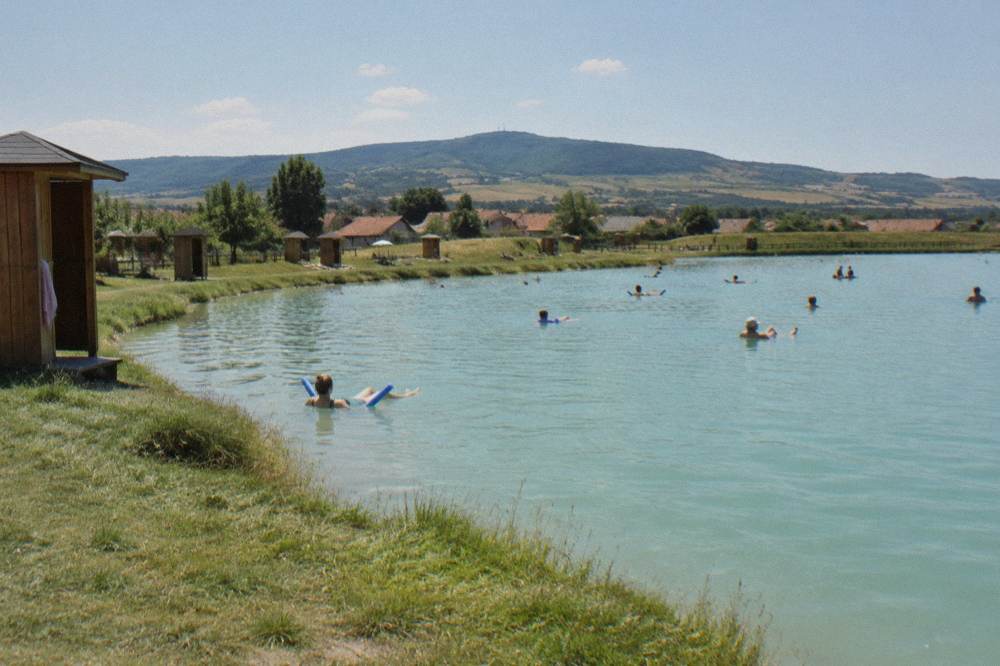
The bathing is the headline. In warm weather the lakes are used for swimming and floating, and the high salt content makes floating noticeably easier than in fresh water, an effect familiar to anyone who has bathed in the Dead Sea, though the comparison ends there. Because the deep layers of a heliothermic lake hold heat, the water at depth in summer can feel strikingly warm while the surface layer stays cooler, which surprises first-time bathers.
The spa side is the year-round half of the offer. Romanian salt spas traditionally build their treatments around halotherapy (salt-air sessions), mineral baths and physiotherapy, and Ocna Sibiului's facilities follow that model. What treatments are available in English, what they cost, and whether advance booking is needed are exactly the questions to put to the resort directly.
| Activity at the lakes | Season or setting | What to confirm in advance |
|---|---|---|
| Swimming and floating in the salt lakes | Warm months, weather permitting | Entry rules, safe bathing areas, opening hours |
| Salt-air and mineral spa treatments | Indoor facilities, more of the year | Treatment list, prices, booking |
| Walking between the lakes and wooded banks | All year, paths around the basins | Path access in wet or icy weather |
| Photography of the lake colours | Best in midday and afternoon light | Nothing, access is open air |
Beyond the water and the treatments, the site rewards a slow lap on foot. The lakes sit close together, each with a different surface colour, and the ground between them rises and falls with the old mining terrain. Interpretation of the mining history on site is limited in foreign languages, so arriving with the basic story, chambers, flooding, salt layers, makes the walk more rewarding.
When Is The Best Time Of Year To Visit Ocna Sibiului?
Late spring through early autumn is the season for swimming at the salt lakes, roughly May to September, matching the warm months in Sibiu; spa treatments work year-round. The climate here is temperate continental: the ERA5 reanalysis, 1991-2020, gives July mean highs around 24 C and January highs just above 2 C, with snow falling from November to March. Check the resort's calendar for the exact bathing season dates before committing.
The climate table for Sibiu, modelled on the ERA5 reanalysis for 1991-2020, shows why summer wins for the water: July and August bring mean daily highs of 24.2 and 24.5 C respectively, with sunshine running at 12.8 and 11.8 hours a day. May and June are warm too, at 19.1 and 22.4 C, while September cools to a mean high of 19.6 C. Winter bathing gives way to indoor treatments: January lows average -5.7 C and snowfall peaks at 23.3 cm in January across the modelled period. The full index of guides sits on Sibiu Travel Guide.
| Month | Mean high C (ERA5) | Mean low C (ERA5) | Suitability for the lakes |
|---|---|---|---|
| May | 19.1 | 9.0 | Good for walking, early-season bathing if open |
| June | 22.4 | 12.9 | Core bathing season |
| July | 24.2 | 14.6 | Core bathing season |
| August | 24.5 | 14.8 | Core bathing season |
| September | 19.6 | 10.5 | Late-season bathing, fine walking |
| October | 14.5 | 5.7 | Walking and spa, water cold |
| January | 2.2 | -5.7 | Spa treatments and indoor options |
Off-season visitors should also weigh the wider region. Winter in Sibiu has its own draws: the Christmas Market fills Piața Mare from 13 November 2026 to 3 January 2027 with free entry and a 600 sqm ice rink, and the Păltiniș ski resort opens its season on 28 November 2026. A winter plan that pairs the spa at Ocna Sibiului with the market and the slopes is realistic, since all three sit within a short radius of the city.
How Does Ocna Sibiului Compare With The Turda Salt Mine?
The two sites are different experiences: Ocna Sibiului is an open-air landscape of flooded mine chambers used for bathing and spa treatments, while Salina Turda, about 143 km from Sibiu by road, is an underground mine turned visitor attraction with its chambers, lighting and subterranean amusements preserved below ground. One is water and sunshine, the other rock and echo. Turda needs a longer drive; Ocna Sibiului is the short, easy option.
The comparison matters because the two places share a raw material and split the audience. Families with children and visitors who want spectacle tend to rate the Turda descent highly, while anyone prioritising rest, warm water and a low-effort half day leans to the lakes. Distance decides plenty of it: Turda sits at about 143 road-kilometres from Sibiu, computed over standard routing, while Ocna Sibiului is a local trip on the city's doorstep. Turda's current prices and hours are not carried on this page, so check the mine's own site before a long drive; the broader picture is covered in the Turda salt mine guide and in is Turda salt mine worth visiting?.
| Factor | Ocna Sibiului | Turda salt mine |
|---|---|---|
| Setting | Open-air lakes and spa | Underground chambers |
| Main activity | Bathing, floating, treatments | Walking the mine, subterranean attractions |
| Distance from Sibiu | Local, just north of the city | About 143 km by road |
| Season | Bathing in warm months, spa year-round | Largely weather-independent |
| Verify before going | Bathing season, entry, treatments | Prices, hours, ticket availability |
There is also a third salt site in the region's story worth a mention for completeness: Ocna Sibiului and Turda are the two names travellers meet, but Transylvania's salt line runs through several old mining towns, and the salt trade shaped the roads the Saxons later fortified. The fortified church landscapes around Sibiu grew along the same corridors.
Can You Combine Ocna Sibiului With Other Day Trips From Sibiu?
Yes, easily: because Ocna Sibiului is so close to the city, it slots into a morning or afternoon beside almost any other outing, from the Cisnădie and Cisnădioara fortified churches at about 14 and 18 minutes by road to Mediaș at about 68 minutes and Sighișoara at about 102 minutes from Piața Mare. A salt-lake morning followed by a Saxon-town afternoon is the classic pairing. Longer mountain trips, the Transfăgărășan or Păltiniș, work better as their own day.
Two proven combinations stand out. The first is lakes plus Saxon heritage: Cisnădie lies about 10 km and 14 minutes from central Sibiu and Cisnădioara about 13 km and 18 minutes, so a loop taking in the salt water in the morning and the fortified churches in the afternoon involves very little driving. The second is lakes plus Mediaș or Sighișoara, heading north on the same side of the map; the Sighișoara run is about 96 km and 102 minutes each way, so it becomes the main event with the lakes as a stop or a separate half day.
The mountain alternatives deserve their own days. The Transfăgărășan's high section between Bâlea Cascadă and Piscu Negru reopened on 12 June 2026 and runs only 07:00 to 21:00 daily, and by rule it can be closed on any day from 20 October, so it should never be assumed open: check the live road status before driving, and note that using the closed section carries fines of 10,000 to 30,000 lei. Lake Bâlea sits at 2,034 m, about 88 minutes and 76 km from Piața Mare by road, and the reported cable car from Bâlea Cascadă runs about every 30 minutes in roughly 15-minute rides as the winter access when the road shuts, though its ticket price is not confirmed.
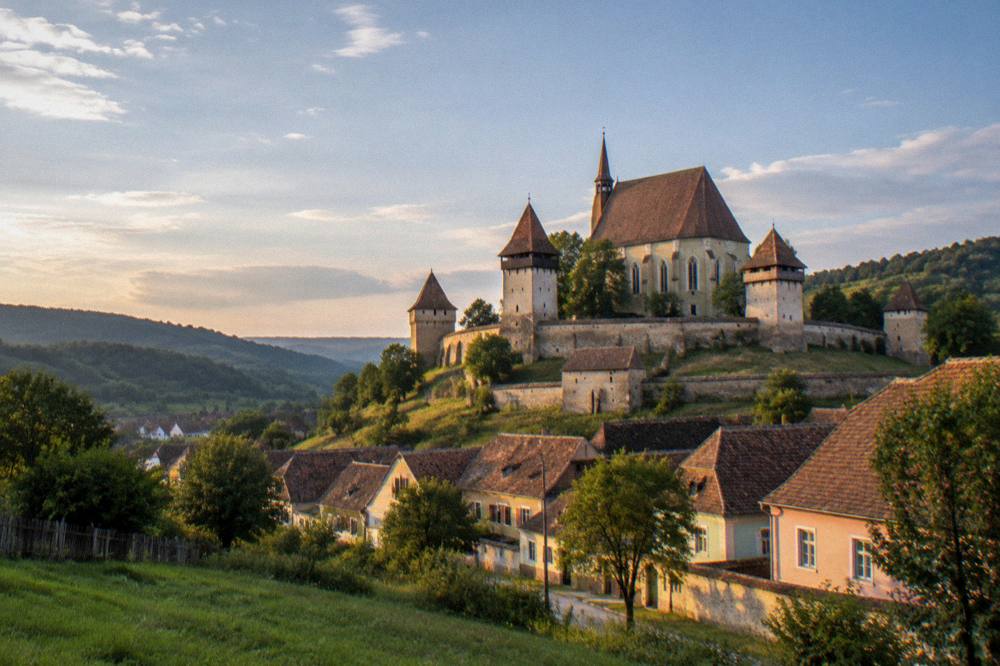
Guided options cover the classic pairings if you would rather not drive. The Sighișoara, Mediaș and Biertan tour links the salt-region corridor with two of Transylvania's strongest sights, and you can Check availability alongside the full tour description.
The Mărginimea Sibiului villages to the south, Rășinari at about 18 minutes and Sibiel at about 36 minutes by road, make another natural companion to the lakes, pairing shepherding country with the salt landscape on opposite sides of the city.
What Should You Know Before You Go To The Salt Lakes?
Bring swimwear, a towel and water shoes for the lakes, cash in lei for small on-site purchases, and realistic expectations about how much of the site is polished resort versus working spa town. Sun protection matters at altitude and on reflective water, the site sits in the hills above the Cibin valley at roughly the same elevation band as Sibiu's 415 to 431 m, and mobile coverage in the area is generally good. Check opening details with the resort before travelling.
A few details make the visit smoother. Salt water stings eyes and small cuts, so goggles or a tolerance for brief dips help with children. The buoyancy that makes floating easy also makes swimming awkward for some people; a relaxed float is the intended pleasure. Wet limestone and salt-crusted surfaces around the basins can be slippery, so shoes with grip beat flip-flops on the paths. And because the lakes are the flooded remains of mine chambers, respect any fencing or signage: the water is deep quickly, and the safe bathing zones are the ones the resort designates.
Dining on site is limited to what the resort and the small town offer, so plan either to eat at the resort's facilities or to return to Sibiu, where the old town's squares are a short drive away. Dishes worth seeking anywhere in the region include ciorbă (sour soup), sarmale (cabbage rolls), mici, papanași for dessert and the local Sibiu salad.
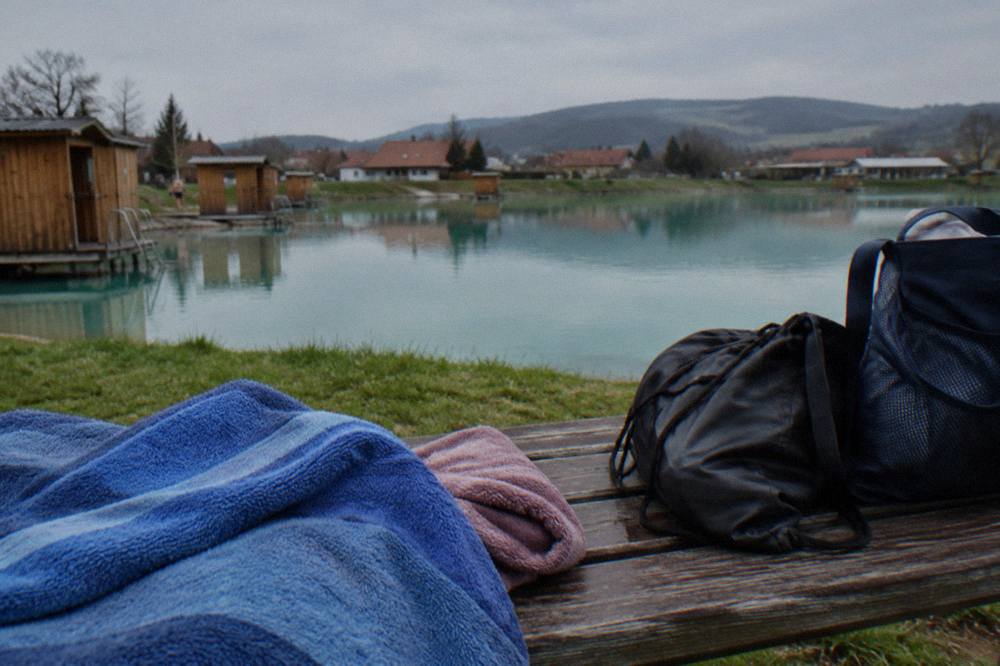
Timing within the day matters less here than at the big-ticket sights, since the lakes see nothing like the coach traffic of Sighișoara or Bran Castle, but midday and early afternoon give the best light on the water for photography, when the sun is high enough to light the basins rather than glancing off them. Early morning visits suit walkers who want the paths quiet and the water like glass.
Common Questions About Ocna Sibiului
Can you swim in the salt lakes at Ocna Sibiului?
Swimming in the lakes is part of the site's tradition and runs in the warm months, subject to the resort's bathing arrangements for the season. Confirm the current bathing season, entry rules and designated areas with the resort before you go, as those details change and are not carried in the sources for this page.
How do I get from Sibiu to Ocna Sibiului?
The site sits just north of Sibiu and is a short local drive from the city, making it one of the easiest outings in the area alongside Cisnădie and Rășinari. There is no reliable public-transport timetable for the route, so check locally for bus options or drive.
Is Ocna Sibiului worth visiting compared with Turda salt mine?
The two serve different moods: Ocna Sibiului is open-air bathing and spa rest close to the city, while Turda is an underground spectacle about 143 km away by road. If you want water and relaxation, choose the lakes; if you want the dramatic mine chambers, accept the longer drive. Many visitors with time do both on separate days.
What is the water like in the salt lakes?
The water is strongly saline, especially in the deep layers, and the lakes are stratified: dense salt water holds summer warmth at depth while the surface stays cooler. Floating is easy because of the salt content, and the colour of each basin shifts between green and turquoise with the light.
When is the best time of year for the salt lakes?
Roughly May to September for bathing, in line with Sibiu's warm season: the ERA5 reanalysis, 1991-2020, puts July and August mean highs at 24.2 and 24.5 C. Spa treatments run through more of the year, and winter visitors pair them with the Sibiu Christmas Market, which runs 13 November 2026 to 3 January 2027 in Piața Mare.
Are the salt lakes suitable for children?
The resort setting is family-oriented in summer, but the lakes are deep quickly, being flooded mine chambers, so children need active supervision and the designated bathing zones. Water shoes, goggles and sunscreen make the day easier. Confirm family facilities and any age rules with the resort before travelling.
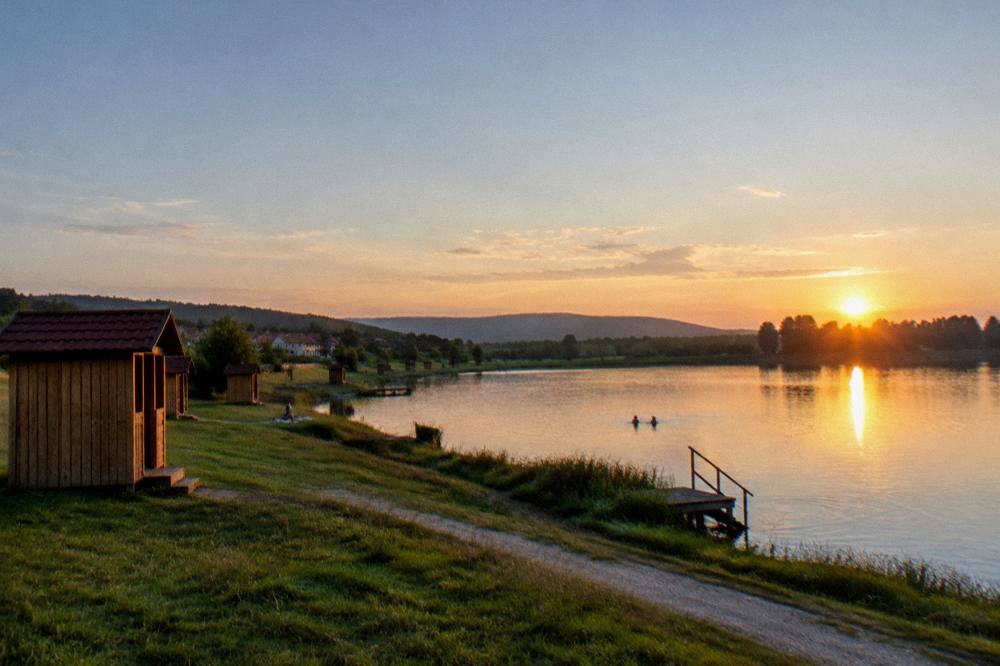
For travellers building a wider plan, the lakes pair naturally with the Turda salt mine for the salt theme, with Cisnădie and Cisnădioara for fortified churches, and with the full Sibiu day-trip map. Whether it becomes the main event of a rest day or a two-hour interlude on the way north, Ocna Sibiului remains the quietest of the region's salt stories, and the one closest to home for anyone staying in Sibiu.
