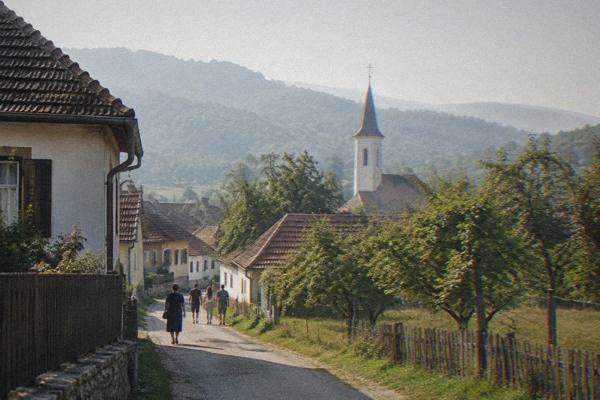
Rasinari: The Shepherd Village On The Way To Paltinis
Rășinari sits in the Mărginimea Sibiului, the pastoral belt south of Sibiu where shepherding has shaped the landscape for centuries. This guide covers how far it is from the city, what to expect in the village, and how it fits into a day on the road to Păltiniș.
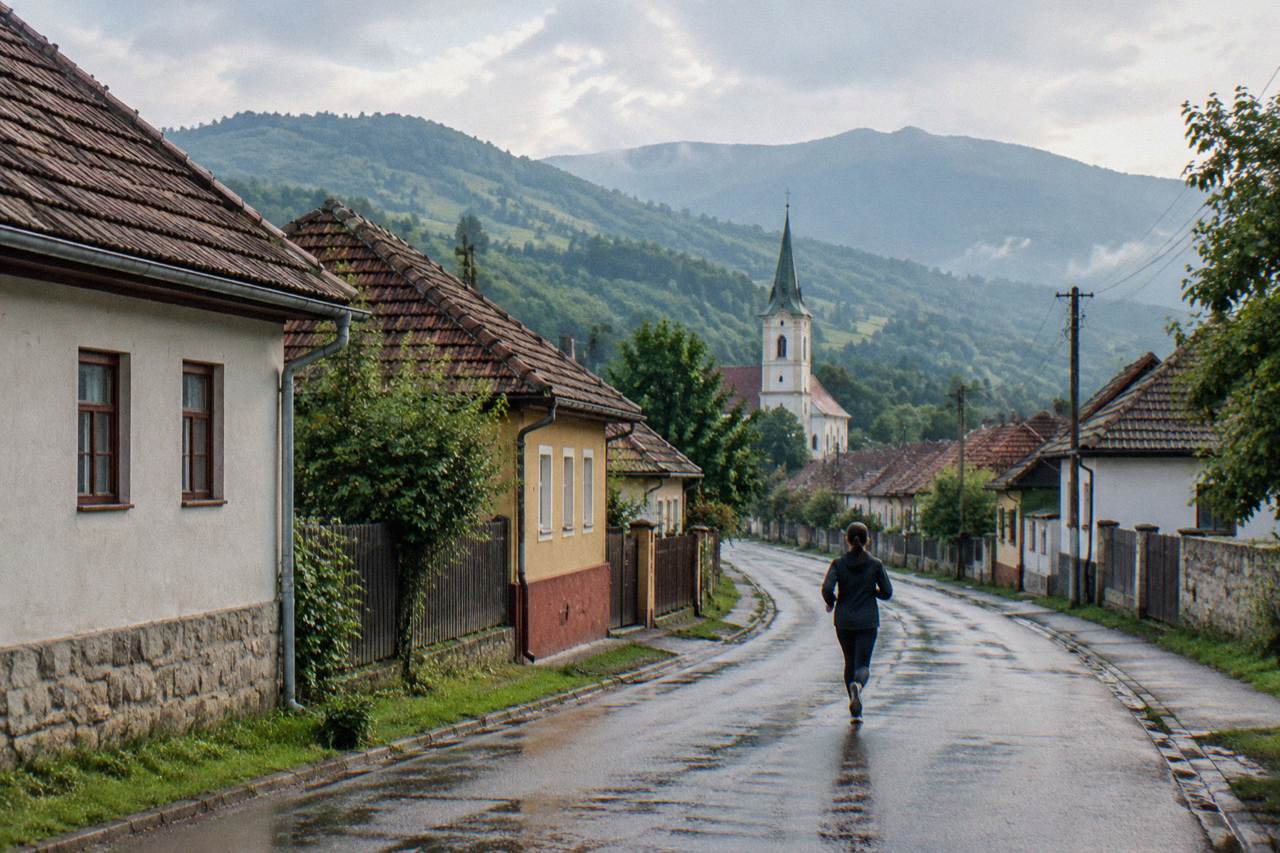
Short answer
Rășinari is a shepherd village in the Mărginimea Sibiului region about 13 km and 18 minutes by road from Piața Mare in Sibiu, on the same road that continues up to the Păltiniș mountain resort. It pairs well with the ASTRA Museum, the Cindrel foothills and a drive to Păltiniș in a single day.
Rășinari is a shepherd village in the Mărginimea Sibiului, the belt of pastoral communes that runs along the southern edge of Sibiu in Transylvania, Romania, and it sits roughly 13 km from Piața Mare by road, or about 18 minutes of driving. The village rests in the foothills of the Cindrel mountains, on the same road that continues up toward the Păltiniș resort, which makes it either a quick half-day escape from the city or a natural first stop on a longer route into the high country. The Mărginimea Sibiului has long been associated with transhumant shepherding, the practice of moving flocks between lowland and mountain pastures with the seasons, and Rășinari is one of the communes that gives the region its character.
This guide walks through what the village itself offers, how to get there, where it fits on the road to Păltiniș, and which other villages and mountain destinations combine well with it in a single day trip from Sibiu. The article draws on road distance figures computed from OpenStreetMap routing data, plus seasonal and logistical details specific to autumn and winter 2026.
Where Is Rasinari And How Far Is It From Sibiu?
Rășinari lies about 13 km south of Piața Mare in central Sibiu, reachable by car in roughly 18 minutes along Calea Rășinari, the road that leaves the city toward the Cindrel foothills. The ASTRA open-air museum sits on the same road (Calea Rășinari), roughly 5.5 km from the city centre, so a visitor driving out to the village passes the museum entrance on the way. The terrain climbs gently from the city edge into the first folds of the Cindrel range.
The village is the administrative seat of a commune that includes the surrounding pastoral land, and its position at the mouth of the Cindrel valley has made it a departure point for routes into the mountains for as long as the shepherding economy has existed here. The name "Mărginimea Sibiului" itself translates roughly as "the margin of Sibiu," and it describes a chain of villages south and southwest of the city where Romanian pastoral culture developed alongside, and in conversation with, the Saxon agricultural towns of the plain. Rășinari belongs firmly to the pastoral side of that divide.
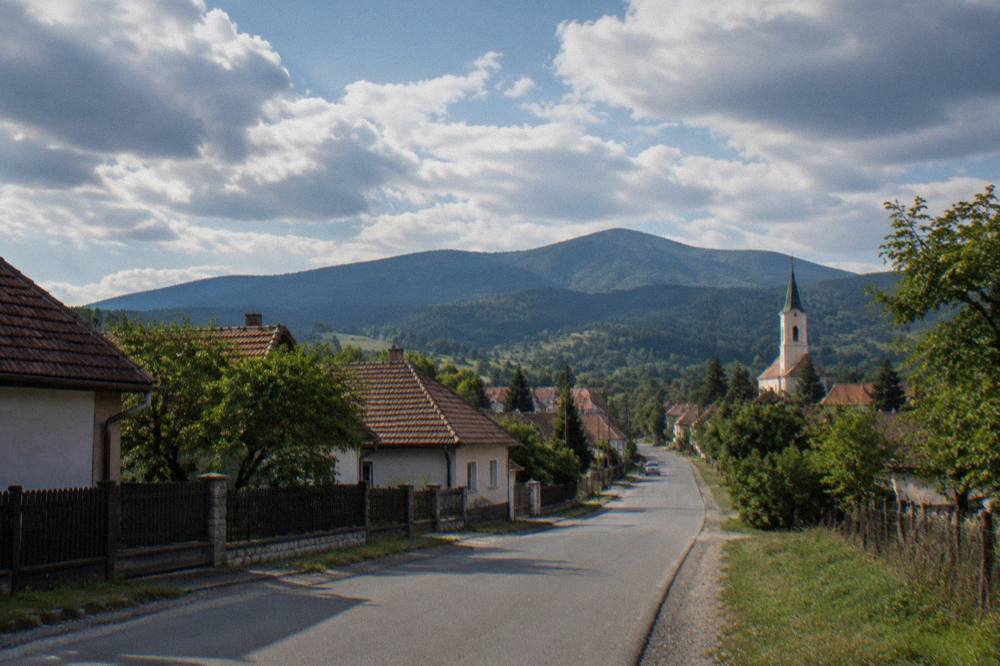
For orientation, the following table places Rășinari among the other day-trip destinations south and west of Sibiu, using road distances computed from Piața Mare. These are free-flow estimates over OpenStreetMap routing and not timetable figures.
| Destination from Piața Mare | Road distance | Approximate drive time |
|---|---|---|
| Rășinari | 13 km | 18 minutes |
| Sibiel | 25 km | 36 minutes |
| Cisnădie | 10 km | 14 minutes |
| Cisnădioara | 13 km | 18 minutes |
| Păltiniș | 32 km | 40 minutes |
| Valea Viilor | 50 km | 60 minutes |
| Mediaș | 56 km | 68 minutes |
| Viscri | 118 km | 122 minutes |
The pattern is clear: Rășinari, Cisnădie, Cisnădioara and Sibiel are all short hops, while Viscri and Valea Viilor demand a bigger slice of the day. A visitor with a car can reach Rășinari, spend an hour or two in the village, and still be back in Sibiu for a late lunch.
Is There Anything To See In Rasinari Village?
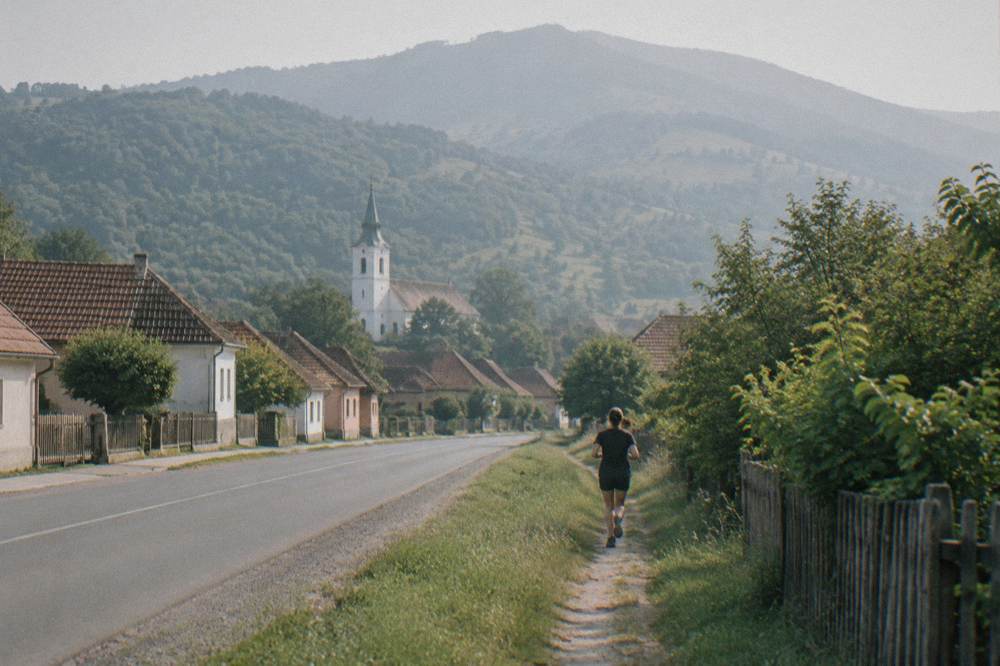
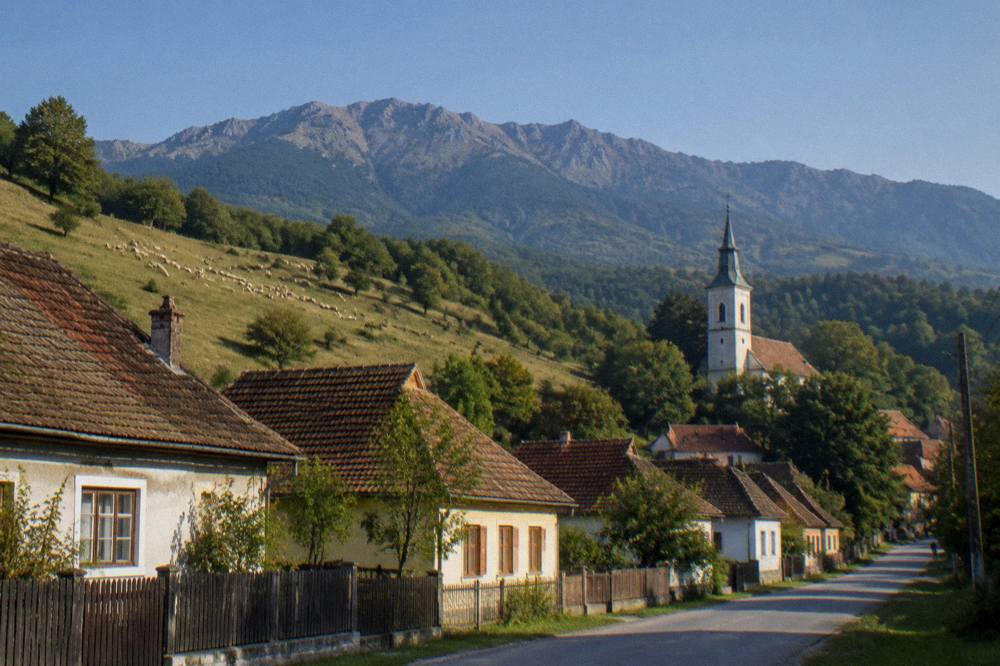
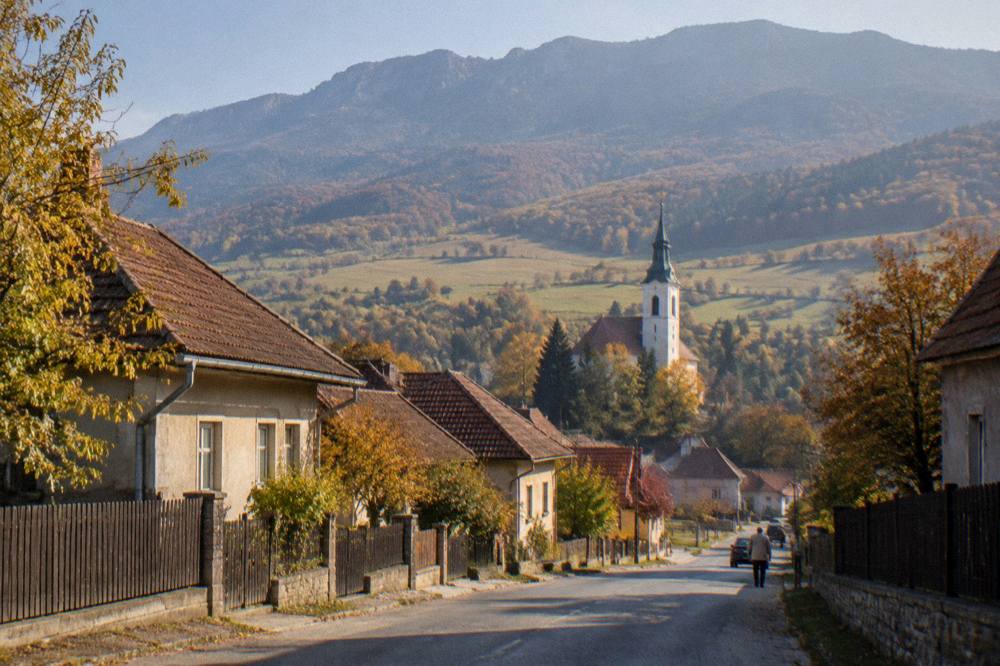
Rășinari's attraction is its setting and its pastoral character rather than a single landmark: the village has a Romanian Orthodox church at its centre, traditional houses with steep roofs and fenced yards, and a scattering of small shops and guesthouses along the main road. No specific museum, fortress or ticketed attraction operates in the village according to the destination research for this page, so the visit is about walking, looking and eating rather than paying an entrance fee. The Cindrel foothills rise directly behind the houses.
The church sits on a small rise in the middle of the settlement, and the streets radiate outward from it in a pattern typical of Romanian villages in this region. The houses are set back from the road behind low fences, with gates that open onto yards where wood is stacked and animals are kept. Walking the side streets rather than the main road gives the fullest sense of the place, and the whole village is small enough that a loop on foot takes under an hour at a relaxed pace.
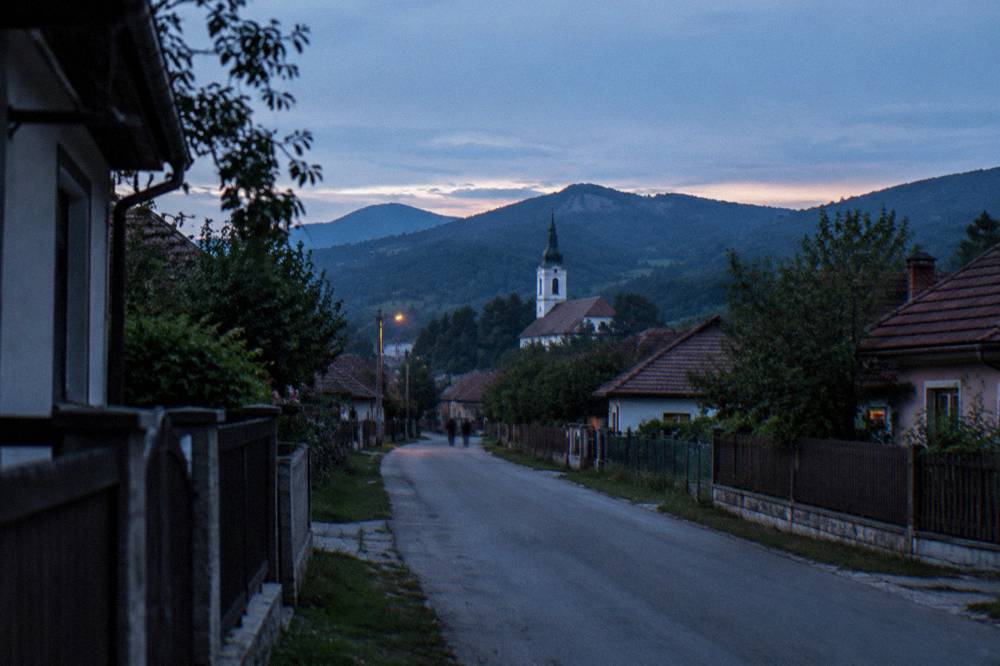
The surrounding meadows and forest paths are the other draw. The Cindrel range rises south of the village, and the lower slopes carry a network of footpaths and forest tracks that shepherds and villagers have used for generations. The safest approach is to treat any walk beyond the village edge as exploratory and to ask locally about current conditions before setting out. Bears live in these forests; follow local signs and guidance.
For visitors who want a structured experience in the wider Mărginimea region rather than a self-guided wander, the following tours cover the area and the mountains beyond.
A guided walk takes the route-finding and local-knowledge problem off the visitor's plate entirely, and in a region where trail signage, wildlife and weather can all change quickly, that has real value. The private hike in the Făgăraș range goes further afield, into the high mountains east of the city, and suits travellers who want a serious mountain day with a guide who knows the terrain.
How Do You Get To Rasinari From Sibiu?
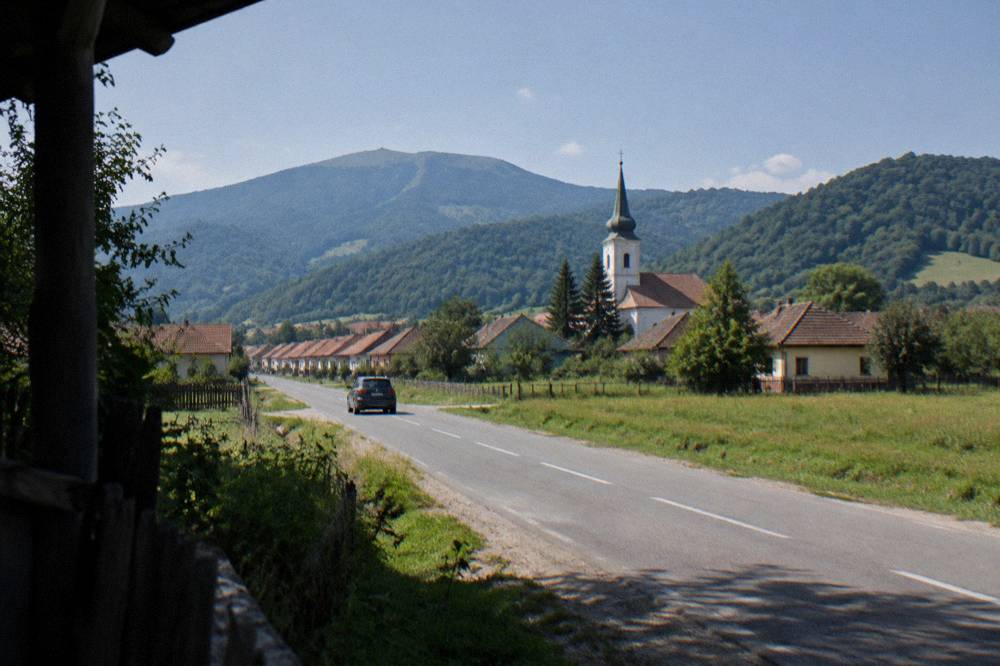
The fastest way to Rășinari is by car or taxi along Calea Rășinari, a distance of about 13 km from Piața Mare that takes roughly 18 minutes in free-flow traffic. The same road passes the ASTRA Museum on the city's southern edge, so the route is a single straight corridor out of Sibiu. Public transport options to the village itself remain unclear, so visitors without a car should check current options locally before assuming a bus connection exists.
Calea Rășinari is the historic road that connected the city to the village, and it still carries that traffic today. The drive leaves the built-up area of Sibiu within a few minutes, passes the ASTRA Museum entrance on the right, and then opens into the rural commune. The road is paved throughout the section to the village, though it narrows in places and carries local agricultural traffic. Visitors planning to continue past Rășinari toward Păltiniș should note that the road climbs steadily beyond the village and that winter conditions can change the character of the drive entirely.
For visitors combining the trip with the ASTRA Museum, the logistics work well: the museum sits at the start of the road, and a morning at the museum followed by a short drive to Rășinari for lunch makes a full and varied day without covering much distance. More detail on the museum itself is on the ASTRA Museum guide.
For visitors using Sibiu as a base for the wider region, the following table summarises the main transport options for getting into the city in the first place.
| Arrival option into Sibiu | Key facts |
|---|---|
| Sibiu International Airport (SBZ) | About 5 to 6 km from Piața Mare; Tursib bus line 11 serves the terminal, 3.5 lei for a 60-minute ticket |
| Gara Sibiu (train station) | About 0.8 km northeast of Piața Mare; check cfrcalatori.ro for times and fares |
| FlixBus from Bucharest | Reported from about 46 RON one-way, journey about 4 h 25 m to 6 h; confirm before booking |
| Own car or rental | Rășinari is 13 km from the centre; the road is paved to the village |
Within the city, the Tursib network runs the buses, with a 60-minute internal ticket at 3.5 lei, a 75-minute ticket at 5 lei and a 90-minute ticket at 7 lei. Those fares cover city travel; the trip to Rășinari itself is beyond the standard city network and needs a car, a taxi or an arranged transfer.
Where Does Rasinari Fit On The Road To Paltinis?
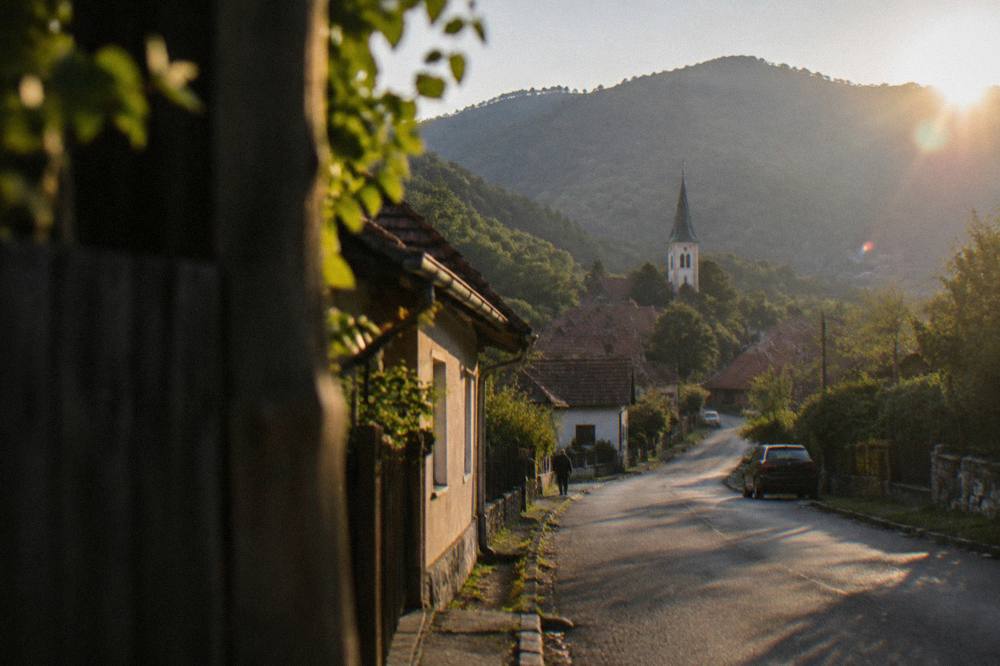
Rășinari sits at the base of the road that continues up to Păltiniș, the mountain resort 32 km and about 40 minutes from Piața Mare, so the village works as a natural first stop on a combined day trip. A visitor driving from Sibiu reaches Rășinari after about 18 minutes, and the remaining climb to Păltiniș takes roughly another 20 to 25 minutes beyond the village. The two destinations pair well because one is pastoral and low, the other alpine and high.
Păltiniș sits at the top of the Cindrel valley, and it functions as Sibiu's closest mountain resort. The Păltiniș Arena ski season is announced to open on 28 November 2026, with the same number of slopes as the previous season and lift prices reported to rise by at most about 5 percent. Before that opening date the lifts are shut and there is no snow guarantee. Specific ski prices, rental prices and slope lengths were not found. Beyond skiing, Păltiniș serves as a summer walking base, with no specific trail lengths or times available. More of these guides are collected on Sibiu Travel Guide.
A combined itinerary that pairs well: leave Sibiu in the morning, stop at the ASTRA Museum for a couple of hours, continue to Rășinari for a walk and lunch, then drive the remaining distance to Păltiniș for an afternoon in the mountains before returning to the city. The full round trip stays under 70 km of driving. More detail on the resort, including seasonal access, is on the Păltiniș day-trip guide.
For visitors weighing Rășinari and Păltiniș against other mountain day trips from Sibiu, the following comparison may help.
| Mountain day trip from Sibiu | Distance from Piața Mare | Approximate drive time | Character |
|---|---|---|---|
| Păltiniș | 32 km | 40 minutes | Mountain resort, lifts in season, forest setting |
| Transfăgărășan (to Bâlea Cascadă) | 63 km | 69 minutes | High alpine road, seasonal access rules |
| Bâlea Lake | 76 km | 88 minutes | Glacial lake at 2,034 m, reached via the Transfăgărășan or cable car |
| Rășinari (Cindrel foothills) | 13 km | 18 minutes | Pastoral village, gentle walking, no lifts |
The Transfăgărășan deserves a special note for anyone planning a mountain day in late 2026: the high section between Bâlea Cascadă and Piscu Negru reopened for the 2026 season on 12 June and runs daily 07:00 to 21:00 when open, but by rule the road can be closed on any day from 20 October onward, and driving the closed section carries fines of 10,000 to 30,000 lei. Anyone planning a Transfăgărășan trip should check the live road status before setting out, and the fuller picture is on the Transfăgărășan guide. In winter, when the high road is shut, the Bâlea cable car provides access on its own schedule; more on that is in the Bâlea Lake guide.
What Should You Eat In And Around Rasinari?
The food tradition of the Mărginimea Sibiului is pastoral and sheep-based: the dishes to look for in and around Rășinari are the region's sheep cheeses, mici (grilled minced-meat rolls), sarmale (cabbage rolls), ciorbă (sour soup), balmoș (a polenta-and-cheese dish), zacuscă (a vegetable spread) and papanași (fried doughnuts with cream and jam). No specific restaurant, guesthouse kitchen or shop in Rășinari is singled out here, so the advice is to eat where you are staying or to ask locally for the current recommendation.
Sheep cheese, particularly the fresh and aged brânza varieties made in the region, is the signature product of the Mărginimea. The shepherding calendar still governs production, with milk flowing in the warmer months and aged cheeses carrying through the winter. Visitors driving through the village in late spring or summer may see flocks on the roads around the commune, and local producers sometimes sell directly from the farm gate.
| Dish or product | What it is |
|---|---|
| Brânză de burduf | Aged sheep cheese, traditional to the Mărginimea region |
| Mici | Grilled minced-meat rolls, served with mustard and bread |
| Sarmale | Cabbage rolls filled with minced pork and rice |
| Ciorbă | Sour soup, often with tripe, meat or vegetables |
| Balmoș | A dense dish of polenta cooked with sheep cheese |
| Zacuscă | A spread of roasted eggplant, peppers and beans |
| Papanași | Fried doughnuts served with sour cream and jam |
The same food culture runs through Sibiu itself, and the wider food scene of the city is covered on the food guide for Sibiu. A cooking workshop and dance class is also available as a bookable tour from the city for visitors who want to learn the techniques behind these dishes rather than just taste them.
What Is The Best Time Of Year To Visit Rasinari?
The best months for walking and village life are May, June, September and October, when daytime temperatures in the Sibiu area are mild and the snow has cleared from the lower slopes. July and August are warmer, with modelled mean daily highs of 24.2 C and 24.5 C (ERA5 reanalysis, 1991-2020). From November to March the village sits under a winter regime, with modelled monthly snowfall reaching 23.3 cm in January.
The seasonal logic follows the road as much as the weather. In winter, the climb beyond Rășinari to Păltiniș carries snow, and the ski season opening on 28 November 2026 turns the whole corridor into a winter-sports route. In summer, the same road carries walkers and day-trippers heading for the high pastures, and the village itself is at its greenest. The shoulder months split the difference: fewer crowds on the road, workable walking temperatures, and the possibility of seeing the flocks moving between pastures in late spring.
| Month | Mean daily high (ERA5, 1991-2020) | Mean daily low (ERA5, 1991-2020) | Modelled snowfall |
|---|---|---|---|
| January | 2.2 C | -5.7 C | 23.3 cm |
| February | 4.3 C | -4.4 C | 22.3 cm |
| March | 8.7 C | -0.8 C | 18.2 cm |
| April | 14.6 C | 4.0 C | 7.8 cm |
| May | 19.1 C | 9.0 C | 0.3 cm |
| June | 22.4 C | 12.9 C | 0.0 cm |
| July | 24.2 C | 14.6 C | 0.0 cm |
| August | 24.5 C | 14.8 C | 0.0 cm |
| September | 19.6 C | 10.5 C | 0.1 cm |
| October | 14.5 C | 5.7 C | 2.7 cm |
| November | 8.7 C | 0.9 C | 13.0 cm |
| December | 3.1 C | -3.9 C | 20.8 cm |
One note for late-October travel: clocks in Romania go back on Sunday 25 October 2026, shifting from EEST (UTC+3) to EET (UTC+2), which shortens the usable afternoon. A day trip that pairs Rășinari with Păltiniș in late October should plan to be off the mountain road before dusk.
Where Should You Go After Rasinari?
The strongest pairings after Rășinari are the other Mărginimea villages (Sibiel at 25 km, roughly 36 minutes) and the nearby Saxon fortified-church villages (Cisnădie at 10 km, roughly 14 minutes, and Cisnădioara at 13 km, roughly 18 minutes), all reachable in well under an hour from the village. Further afield, Valea Viilor at 50 km and Viscri at 118 km open into a full-day circuit of the UNESCO-listed fortified-church landscape. The choice depends on whether the day is pastoral, Saxon or a mix of both.
The Mărginimea Sibiului villages share the pastoral character of Rășinari, and Sibiel is the closest worth naming. It carries a small museum of icons painted on glass, though visitors should confirm its opening hours locally before making it the sole reason for the trip. More on the village is on the Sibiel guide. A guided tour through the heart of the Mărginimea is also available as a bookable option for visitors who want the region unpacked by someone who knows its history.
The Saxon fortified churches are the other half of the region's story. The "Villages with Fortified Churches in Transylvania" is a UNESCO serial World Heritage site, with Biertan inscribed in 1993 and the listing extended in 1999 to include seven villages among them Biertan, Prejmer, Viscri and Valea Viilor. The fortified churches at Cisnădie and Cisnădioara are the nearest to Sibiu and combine naturally with Rășinari on a single drive, though their specific prices and opening rules were not found and visitors should confirm locally. The fuller picture is on the Cisnădie and Cisnădioara guide, the Valea Viilor guide and the Viscri guide.
| Village pairing with Rășinari | Road distance from Piața Mare | Approximate drive time | Main draw |
|---|---|---|---|
| Sibiel | 25 km | 36 minutes | Pastoral village, icon-on-glass museum |
| Cisnădie | 10 km | 14 minutes | Fortified church, Saxon heritage |
| Cisnădioara | 13 km | 18 minutes | Fortified church on a hill, Saxon heritage |
| Valea Viilor | 50 km | 60 minutes | UNESCO fortified church |
| Viscri | 118 km | 122 minutes | UNESCO village, deep rural character |
For visitors who want to push beyond the foothills into a bigger mountain day, the high routes east and south of Sibiu offer a different order of experience.
The private day hike in the Făgăraș mountains takes a visitor into the highest range in Romania, south and east of Sibiu, with a guide handling route choice and safety. The Transfăgărășan tour pairs the alpine road with Bâlea Lake and the waterfalls on the climb, and the evening panorama tour to Gușterița Hill offers a gentler option that ends with a view over the city. Each covers different terrain, and none requires the visitor to arrange transport or route-finding independently.
For visitors who prefer to stay closer to the ground, a half-day tour of the Saxon heritage villages surrounding Sibiu and a guided walk through the heart of the Mărginimea are both available as bookable options that complement a morning in Rășinari.
Common Questions About Rasinari
How far is Rasinari from Sibiu?
Rășinari is about 13 km from Piața Mare in central Sibiu by road, roughly an 18-minute drive in free-flow traffic along Calea Rășinari. The distance is computed from OpenStreetMap routing data.
Can you visit Rasinari and Păltiniș in one day?
Yes. Rășinari sits at the base of the road up to Păltiniș, which is 32 km and about 40 minutes from Piața Mare. A visitor can stop in the village for a walk and lunch and still reach the resort with plenty of daylight, weather permitting. In winter, the road climbs into snow, and the Păltiniș Arena ski season is announced to open on 28 November 2026.
Is there public transport to Rasinari from Sibiu?
Public transport options to the village remain unclear for this page. The Tursib city network covers Sibiu itself, with a 60-minute internal ticket at 3.5 lei, but the trip to Rășinari generally requires a car, a taxi or an arranged transfer. Visitors should check current options locally before assuming a bus connection exists.
What is the Mărginimea Sibiului?
The Mărginimea Sibiului is a region of pastoral villages south and southwest of Sibiu in Transylvania, Romania, historically shaped by transhumant shepherding, the seasonal movement of flocks between lowland and mountain pastures. Rășinari, Sibiel, Săliște and other communes belong to it. The name translates roughly as "the margin of Sibiu."
Are there bears around Rasinari and the Cindrel foothills?
Bears live in the Carpathian forests, including the Cindrel range behind Rășinari. Follow local signs and guidance, stay on marked routes where they exist, and ask locally about current conditions before walking beyond the village edge. No specific trail warnings or counts appear here.
What other villages are near Rasinari?
Sibiel is 25 km and roughly 36 minutes from Piața Mare, Cisnădie is 10 km and roughly 14 minutes, and Cisnădioara is 13 km and roughly 18 minutes. All three combine with Rășinari on a single drive, and the two Cisnădie-area villages are the nearest fortified churches to Sibiu.
Rășinari rewards a slow pace and an open afternoon more than any fixed itinerary. The village is close enough to Sibiu that a wrong turn costs ten minutes rather than an hour, and the road beyond it opens into some of the most varied day-trip terrain anywhere around the city, from shepherd meadows to a working mountain resort. For a wider view of what the region offers, the main Sibiu guide is the natural next stop.