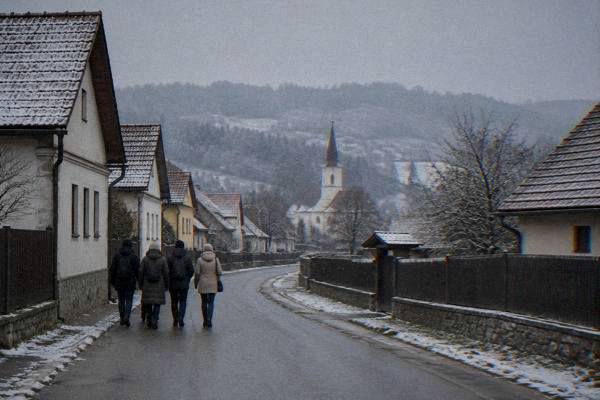
Sibiel: The Village Of Icons On Glass
Sibiel sits about 25 km and 36 minutes by road from Piața Mare in Sibiu, in the pastoral hill country of Mărginimea Sibiului, and it is known for one thing above all: a museum of icons painted on glass, a folk art tradition of this part of Transylvania.
Short answer
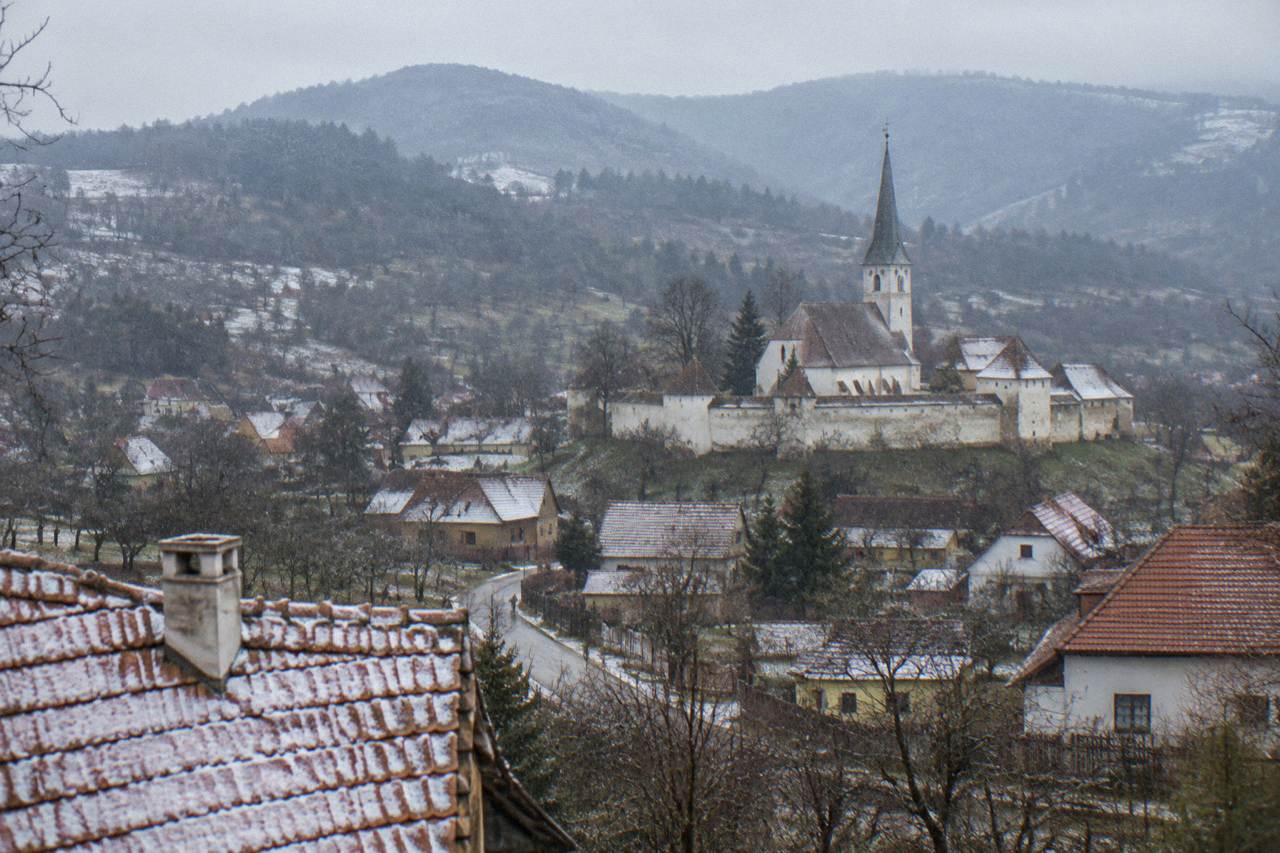
Sibiel is a village in Mărginimea Sibiului, about 25 km and 36 minutes by road from Piața Mare in Sibiu, Transylvania. It is known for its museum of icons painted on glass and for its fortified Saxon church, and it is usually visited as a half-day trip from Sibiu, often combined with Rășinari or other villages of the same area.
Sibiel is a small village in the hills south-west of Sibiu, the Saxon-founded city in Transylvania, Romania, and it belongs to a pastoral strip of countryside called Mărginimea Sibiului. By road it lies about 25 km from Piața Mare, roughly 36 minutes of driving, which puts it firmly in half-day-trip territory. The village is known for a museum of icons painted on glass, a folk tradition of rural Transylvania, and its collection is the reason the village appears on itineraries at all. This page sets out what the sources say about Sibiel, how the village fits into the wider story of the Saxon fortified churches, and how to plan a day around it.
What Is Sibiel And Where Is It In Transylvania?
Sibiel is a village of about 25 km and roughly 36 minutes by road from Piața Mare in Sibiu, the inland Saxon-founded city on the Cibin river in Transylvania, central Romania. It sits in Mărginimea Sibiului, a chain of Romanian shepherding villages along the southern edge of the Sibiu depression where the Cibin valley meets the foothills of the Cindrel mountains, and it belongs to the commune of Săliște in Sibiu county. The city of Sibiu itself is Saxon in origin, first documented in 1191 as Cibinium, while the villages of the Mărginimea are Romanian village communities with a pastoral economy. The two worlds, Saxon town and Romanian hill villages, have sat side by side for centuries.
That geography matters for planning. Sibiel is not inside Sibiu and not part of its medieval old town; it is a countryside destination, reached by a road that leaves the city and climbs gently south-west past Rășinari and Săliște. The route is part of the appeal. The same loop can take in several villages of the Mărginimea in an afternoon, and the Sibiu Travel Guide covers the city at both ends of the drive.
The distinction between the two heritages is worth holding onto. The fortified churches of Transylvania, including the one in Sibiel, belong to the Saxon settlement story: Transylvanian Saxons, immigrants reported to have come from the Moselle area in the 12th century, built churches they could shelter in as a refuge in times of raids. The icons on glass that made Sibiel famous belong instead to Romanian folk art, painted by peasant artists for village homes. The village holds both traditions in a compact space.
What Is Sibiel Known For?
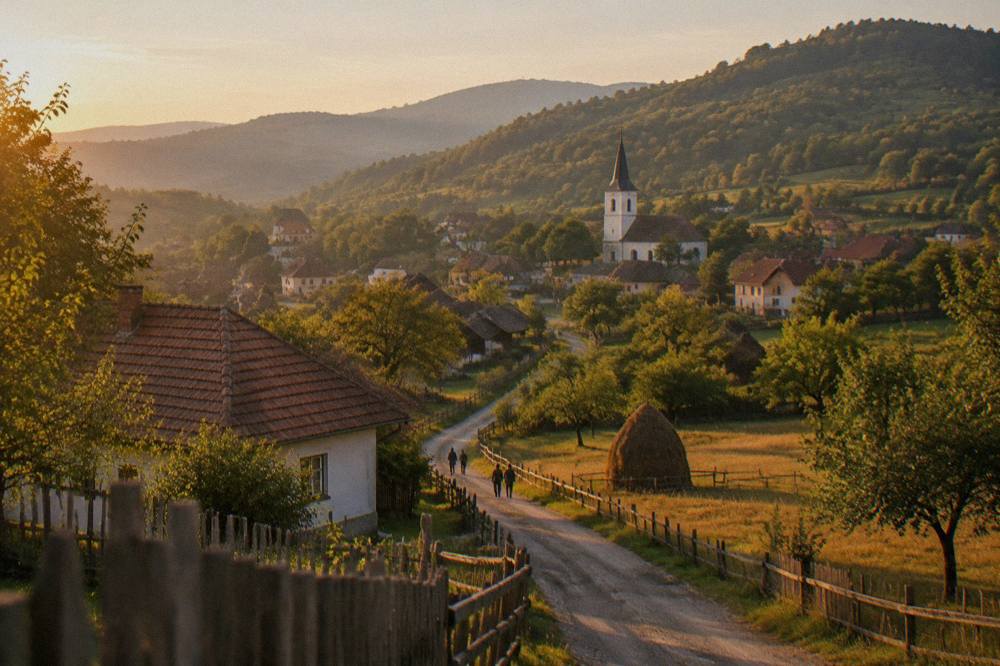
Sibiel is known for its museum of icons painted on glass, the largest concentration of this Romanian folk art in the villages around Sibiu, and for its fortified church, one of the fortified churches of the Transylvanian Saxon tradition. The icon-on-glass technique is a peasant art form in which religious scenes are painted in reverse on the back of a pane of glass, so the finished image is viewed through the glass itself. The tradition took root in rural Transylvania once glass became cheap enough for village households, and the paintings hung in Romanian peasant homes as devotional objects.
The museum in Sibiel collects this work, and its fame is the reason tour itineraries from Sibiu include the village. Its opening hours and ticket prices were not published in a form this site could rely on, so the practical advice is simple: check locally or with the guesthouse or museum contact before setting out, because small village museums in Romania often keep short and seasonal hours.
The second draw is the church. Sibiel's fortified church belongs to the same family of buildings as the famous UNESCO-listed examples further east: the Villages with Fortified Churches in Transylvania, a serial UNESCO site that includes Biertan, inscribed in 1993, with the listing extended in 1999 to seven villages including Prejmer, Viscri and Valea Viilor. Sibiel is not itself on the UNESCO list, but its church shares the same logic, walls and towers built so the congregation could shelter as a refuge in times of raids. No architect, construction date or siege story for Sibiel's church could be confirmed, so none is given.
A guided option covers this ground directly. The Fortified Churches, Farm Life and Carriage Ride Tour from Sibiu takes in the villages and their churches with a farm visit and a carriage ride, or you can Check availability for your dates.
How Do You Get To Sibiel From Sibiu?
The drive from Piața Mare in Sibiu to Sibiel is about 25 km and takes roughly 36 minutes by road, computed over OpenStreetMap routing in free-flow conditions, heading south-west out of the city toward the Mărginimea Sibiului villages. There is no rail line into these hills. Public transport to villages like Sibiel is limited, so the practical choices are a rental car, a taxi or ride-hailing app, or a guided tour with hotel pickup, and for the last of those the operator's listing states the pickup terms.
The road out of Sibiu passes Rășinari first, at about 13 km and 18 minutes from Piața Mare, then continues toward Săliște at about 23 km and onward to Sibiel. This makes a natural driving loop: Sibiu to Rășinari to Sibiel and back is comfortably a half day with stops. Drivers should note two 2026 facts that touch any road travel out of Sibiu: the A1 Sibiu to Boița motorway section is closed from 5 October to 19 December 2026 with traffic diverted onto DN7, which does not block the Sibiel road but adds traffic to the southern approaches, and Romania requires a rovinieta vignette for motorways, with the current price best checked at the point of purchase.
For orientation, here is where the near villages and the classic day trips sit relative to Piața Mare, with road distances and times computed over OpenStreetMap routing:
| Destination from Piața Mare | Road distance | Driving time (about) |
|---|---|---|
| Cisnădie fortified church | 10 km | 14 minutes |
| Rășinari | 13 km | 18 minutes |
| Cisnădioara fortified church | 13 km | 18 minutes |
| Sibiel | 25 km | 36 minutes |
| Păltiniș | 32 km | 40 minutes |
| Valea Viilor | 50 km | 60 minutes |
| Mediaș | 56 km | 68 minutes |
| Biertan | 76 km | 1 hour 15 to 1 hour 30 (reported) |
Cisnădie and Cisnădioara are the nearest fortified churches to Sibiu, which makes them an easy pairing with a shorter trip. Their opening hours and prices were not found in a verifiable form, so confirm locally before going.
Can You Visit Sibiel Without A Car?
Yes, but the car-free options are limited: the practical way to reach Sibiel without driving is a guided tour from Sibiu that includes the Mărginimea Sibiului villages, since local bus coverage into these hills is thin and no confirmed timetable for a Sibiel service exists in this site's data. The city buses of Sibiu, run by Tursib, serve the airport and the city, with a 60-minute ticket at 3.5 lei, but the Mărginimea villages are outside the network's useful range for a visitor.
That leaves two realistic car-free plans. One is a private or small-group tour: the Guided Tour Through The Heart Of Marginimea and the Mărginimea Sibiului from Sibiu day trip both cover the villages with transport included, or you can Check availability. The other is to reframe the day: the Half-Day Saxon Heritage Villages tour reaches a different set of villages, and the Saxon Villages and Fortified Churches Day Tour covers the wider network, so a traveller without a car can still see this countryside.
A taxi or a ride-hailing app works for the direct run, and Bolt and Uber both operate in Sibiu, but the fare back from a village is the part to agree in advance, since a driver has to return empty. No confirmed fare figure for the Sibiu to Sibiel run is printed on this page because none was found in a reliable source.
What Do You See In The Village Itself?
The village itself offers the icon museum, the fortified church, and the scenery of Mărginimea Sibiului: hay meadows, wooden gates, flocks in the hills, and the slow architecture of a shepherding village, all compact enough to walk in an hour or two. The museum of icons on glass is the anchor. Its collection belongs to the Romanian folk-art tradition described above, reverse painting on glass, and it is the reason the village's name circulates in Transylvanian travel writing. Because its hours are not reliably published, treat the museum as the thing to confirm first: a call ahead, a message through a local guesthouse, or a guided tour that lists it as a stop all solve the problem.
The fortified church is the second stop, and it rewards a slow look at the walls rather than a hunt for dates, because no confirmed construction date, architect or restoration record for this specific church exists in the research behind this site. What the sources do support is the general pattern: Saxon communities fortified their parish churches as a refuge in times of raids, enclosing towers, curtains and storage rooms where families could wait out danger with their grain. The fortified churches near Sibiu guide expands on that story across the region.
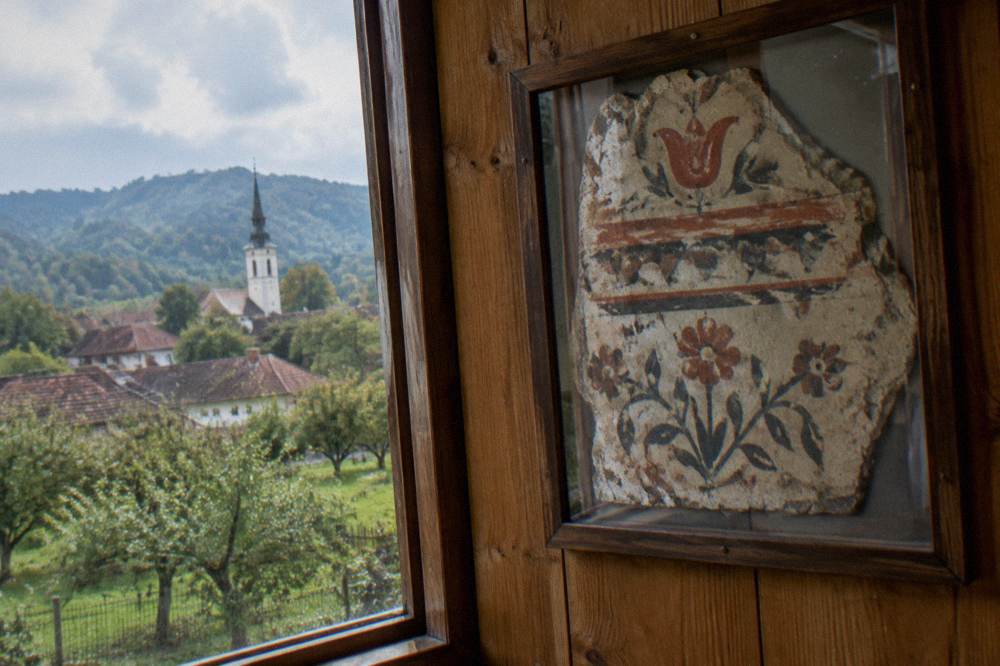
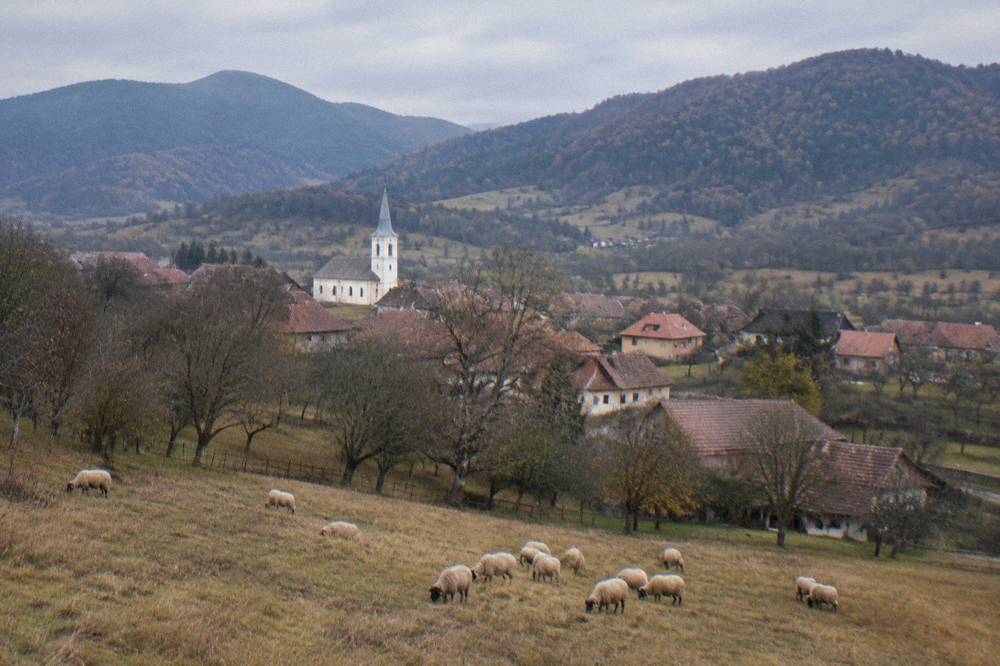
Beyond the two buildings, the village is the sight. Mărginimea Sibiului is sheep country, and its economy was pastoral for centuries, which shows in the layout: houses set back behind gates, orchards, and meadows climbing toward the forest line. The drive in from Rășinari already delivers this, so a trip to Sibiel is less about ticking an attraction and more about a landscape. For context on the Saxon side of the region's history, the Saxon heritage in Sibiu guide carries the fuller story, reported from the primary sources this site uses.
Which Other Villages Can You Combine With Sibiel?
The natural pairings with Sibiel are Rășinari, about 18 minutes and 13 km from Piața Mare, Săliște at about 23 km, and Păltiniș, the mountain resort at about 32 km and 40 minutes, all on the same south-western axis out of Sibiu. A loop that strings Rășinari, Sibiel and Păltiniș together is a full day; Sibiel with one of the others is a comfortable half. Further afield, the classic fortified-church day trips run east: Valea Viilor at about 50 km, Biertan at about 76 km with a reported driving time of about 1 hour 15 to 1 hour 30, and the UNESCO-listed villages beyond.
| Village pairing with Sibiel | Distance from Piața Mare | Character |
|---|---|---|
| Rășinari | 13 km, about 18 min | Mărginimea shepherding village, closest to Sibiu |
| Săliște | 23 km | Market town of the Mărginimea |
| Păltiniș | 32 km, about 40 min | Mountain resort, ski season from 28 November 2026 |
| Valea Viilor | 50 km, about 60 min | Fortified church village, UNESCO component |
| Biertan | 76 km, about 1h15 to 1h30 | UNESCO fortified church, adult entry 20 RON (reported) |
Two notes on the table. Păltiniș opens its ski season on 28 November 2026, reported by the operator, which makes a late-autumn Sibiel-plus-Păltiniș day a workable plan. Biertan's entry price of 20 RON for an adult and its seasonal hours are reported figures from sibiu-turism.ro that this site could not read at the primary source, so confirm before you go; the Biertan guide carries the detail. Prices and hours for Valea Viilor were not found at all, so treat that row as a distance fact only.
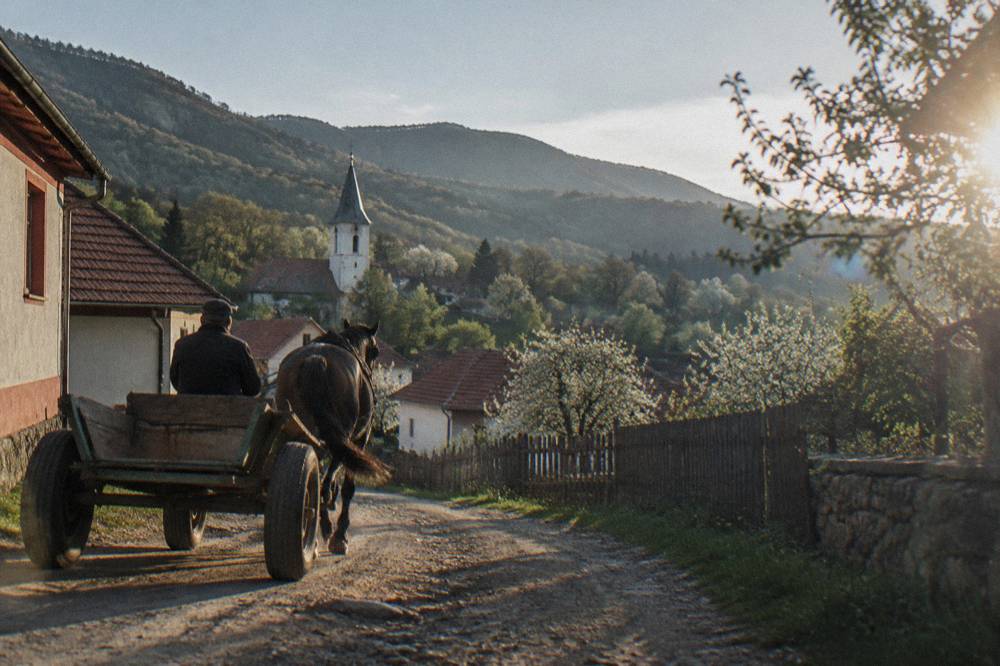
For a guided version of the pairing logic, the village-crafts itinerary is a different flavour of the same countryside: the Village Crafts Around Sighișoara trip heads east instead of south-west, into the craft villages near the UNESCO town. The Rășinari guide and the Viscri guide cover the two ends of that spectrum.
When Is The Best Time Of Year To Visit Sibiel?
The best months for Sibiel are May, June, September and October, when the ERA5 reanalysis 1991-2020 shows daytime highs of about 19 to 25 C in the Sibiu area and the hay meadows or harvest colours are at their best, while winter visits trade scenery for low cloud and snow on the access roads. The village is an outdoor destination: the museum is quick, and the rest of the appeal is walking and looking, so the weather window matters more here than for a city-museum day. The climate figures below are ERA5 reanalysis values for 1991-2020, a modelled grid cell near Sibiu at about 430 m elevation, not a weather-station record.
| Month | Mean high C | Mean low C | Sun hours per day | Modelled snowfall cm |
|---|---|---|---|---|
| April | 14.6 | 4.0 | 10.4 | 7.8 |
| May | 19.1 | 9.0 | 11.3 | 0.3 |
| June | 22.4 | 12.9 | 12.4 | 0.0 |
| July | 24.2 | 14.6 | 12.8 | 0.0 |
| August | 24.5 | 14.8 | 11.8 | 0.0 |
| September | 19.6 | 10.5 | 9.7 | 0.1 |
| October | 14.5 | 5.7 | 8.0 | 2.7 |
Summer is the busy season for the wider region, and the reported guidance from tourism sources points at May, June, September and October as the shoulder picks. A winter visit is not unreasonable, but it changes character: snow falls in the Sibiu area from November to March, the modelled normals show January snowfall of 23.3 cm, and the village lanes are mud or ice rather than meadow. The compensation is that winter pairs Sibiel with Păltiniș, whose ski season is announced for 28 November 2026, and with the Sibiu Christmas Market, which runs 13 November 2026 to 3 January 2027 in Piața Mare with free entry.
What Is There To Eat Around Sibiel?
The food of the Mărginimea is the food of rural Transylvania: dishes such as sarmale (cabbage rolls), mici (grilled minced-meat rolls), ciorbă (sour soup), papanași (fried doughnuts with cream and jam), zacuscă (a vegetable spread), balmoș (a polenta-and-cheese dish) and the Sibiu salad, named for the city at the foot of these hills. No restaurant, guesthouse kitchen or farm name in or around Sibiel appears in this site's confirmed sources, so none is recommended here; village guesthouses in the Mărginimea commonly cook for guests, and that arrangement is best made when booking the room.
| Dish | What it is |
|---|---|
| Sarmale | Cabbage rolls stuffed with minced pork and rice |
| Mici | Skinless grilled rolls of minced meat, served with mustard |
| Ciorbă | Sour soup, often with meat and vegetables |
| Papanași | Fried or boiled doughnuts with sour cream and jam |
| Zacuscă | Spread of aubergine, beans and roasted peppers |
| Balmoș | Polenta cooked with cheese and butter |
| Sibiu salad | A mixed salad bearing the city's name |
A guided food angle exists without naming a venue: the Taste of History gastronomy walk in Sibiu covers the same culinary tradition from the city end, and the what to eat in Sibiu guide sets out the full list.
How Much Time Do You Need For Sibiel?
Sibiel works as a half-day trip of about four hours from Sibiu, covering the drive out, the icon museum, a walk past the fortified church and a stop in one other village, while a full day lets you add Păltiniș or push east to the UNESCO fortified churches. The village is small. The museum visit itself is measured in tens of minutes rather than hours, and the research behind this page found no confirmed opening hours for it, so build slack into the plan and confirm ahead. The Sibiu itinerary guide shows where a Sibiel half-day slots into a longer stay.
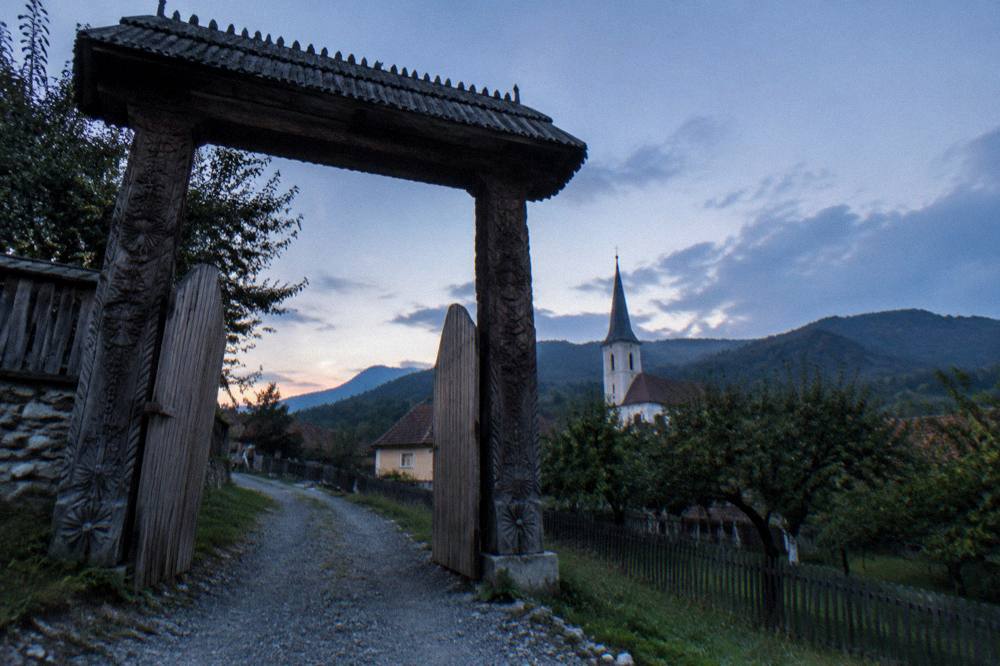
The half-day versus full-day choice is really a choice of pairing. Half a day means Sibiel plus Rășinari or Săliște, both on the same road. A full day opens two directions: south-west deeper into the hills to Păltiniș at about 40 minutes, or east on a longer run to the fortified-church country. Guided products mirror that split, with a half-day villages tour at one end and full-day fortified-church and farm itineraries at the other.
For travellers whose interest in the churches pulls them back toward the city, the baroque and Brukenthal masterclass tour covers the ecclesiastical and museum side of the region from Sibiu itself, a natural follow-up to a villages day.
Is Sibiel Worth The Trip From Sibiu?
Sibiel is worth the trip for travellers with a specific interest in folk art, painted icons or village Transylvania, and it is a straightforward half-day at about 36 minutes each way, but a visitor with only one day for the countryside may find the UNESCO-listed fortified churches at Biertan or the closer pair at Cisnădie and Cisnădioara a higher-yield use of the day. The honest framing is that Sibiel is a small village with one museum and one church, set in attractive country, and its value depends on how much that description appeals.
The comparison the sources support is a distance comparison, not a beauty contest, and this site prints no verdict on which town is nicer. Biertan is about 76 km away with its UNESCO-listed church and a reported adult ticket of 20 RON; Cisnădie and Cisnădioara are 10 and 13 km out; Valea Viilor is 50 km. The Valea Viilor guide and the Cisnădie and Cisnădioara guide carry those options in detail.
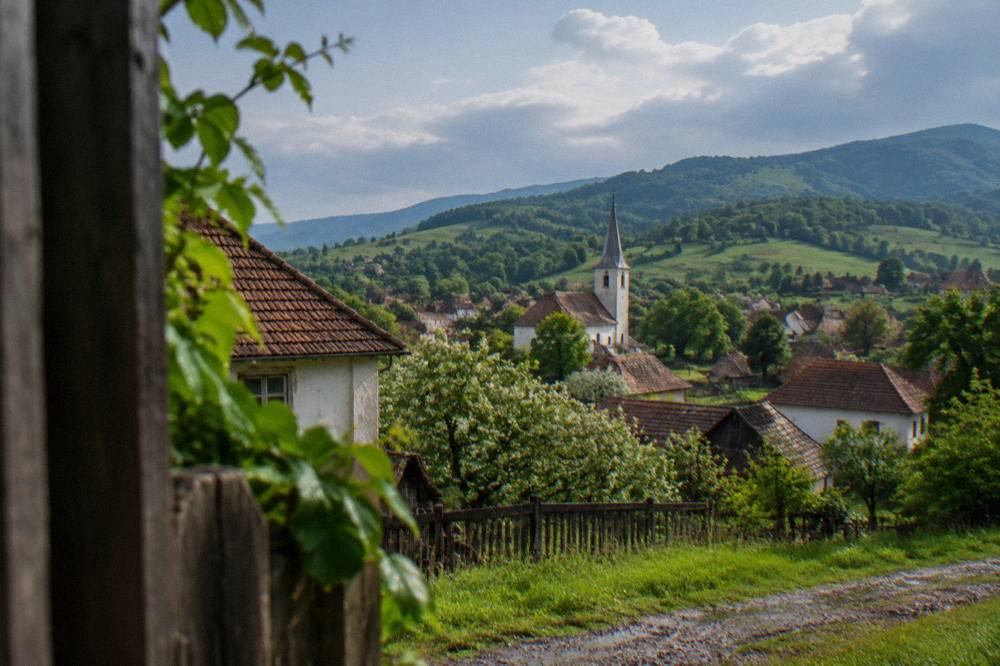
What Should You Know Before You Go?
Four practical points shape a Sibiel day: the icon museum's hours are not reliably published, so confirm ahead; the drive is about 36 minutes each way and the last stretch is village road; a 2 percent tourist tax on accommodation applies across Sibiu since 1 January 2026; and Romania is a full Schengen member, with the leu (RON) as currency, at about 5.3 lei to the euro. None of these is an obstacle, and all of them are better known before the car is loaded.
| Practical item | What the sources say |
|---|---|
| Icon museum hours | Not published in a verifiable form; confirm locally before going |
| Drive from Piața Mare | About 25 km, about 36 minutes (computed over OpenStreetMap routing) |
| Tourist tax | 2 percent of accommodation value in Sibiu, since 1 January 2026 |
| Currency | Romanian leu (RON, lei); about 5.3 lei to the euro |
| Emergency number | 112 |
| Time zone | Europe/Bucharest; clocks go back on Sunday 25 October 2026 |
Money in villages runs on cash more than cards do in the city, so carry lei for small purchases and any museum entry fee. Distances in the hills are short but speeds are low: the same 25 km that a motorway would swallow in fifteen minutes takes about 36 minutes on these roads, and the figures in this page's tables are free-flow routing times, not winter estimates. Snow falls in the Sibiu area from November to March per the modelled normals, so an off-season visit should budget extra time.
Common Questions About Sibiel
How far is Sibiel from Sibiu?
Sibiel is about 25 km from Piața Mare in Sibiu by road, a drive of roughly 36 minutes in free-flow conditions, heading south-west toward the Mărginimea Sibiului villages.
What is Sibiel known for?
Sibiel is known for its museum of icons painted on glass, a Romanian folk-art tradition of reverse painting on glass, and for its fortified church in the Transylvanian Saxon tradition.
Can you get to Sibiel by public transport?
Not easily. No confirmed bus timetable for Sibiel appears in this site's data, so the practical options are a rental car, a taxi or ride-hailing app, or a guided tour from Sibiu that includes the Mărginimea Sibiului villages.
What are the opening hours of the Sibiel icon museum?
The museum's hours and prices were not published in a verifiable form, so confirm locally or through a guesthouse or tour operator before setting out.
What else can you visit near Sibiel?
Rășinari at about 18 minutes, Săliște, Păltiniș at about 40 minutes, and, further east, Valea Viilor at about 60 minutes and Biertan at about 1 hour 15 to 1 hour 30 all combine with Sibiel into a day trip from Sibiu.
When is the best time to visit Sibiel?
May, June, September and October, when the ERA5 reanalysis 1991-2020 shows daytime highs of roughly 19 to 25 C around Sibiu and the meadows are at their best; winter brings snow from November to March.
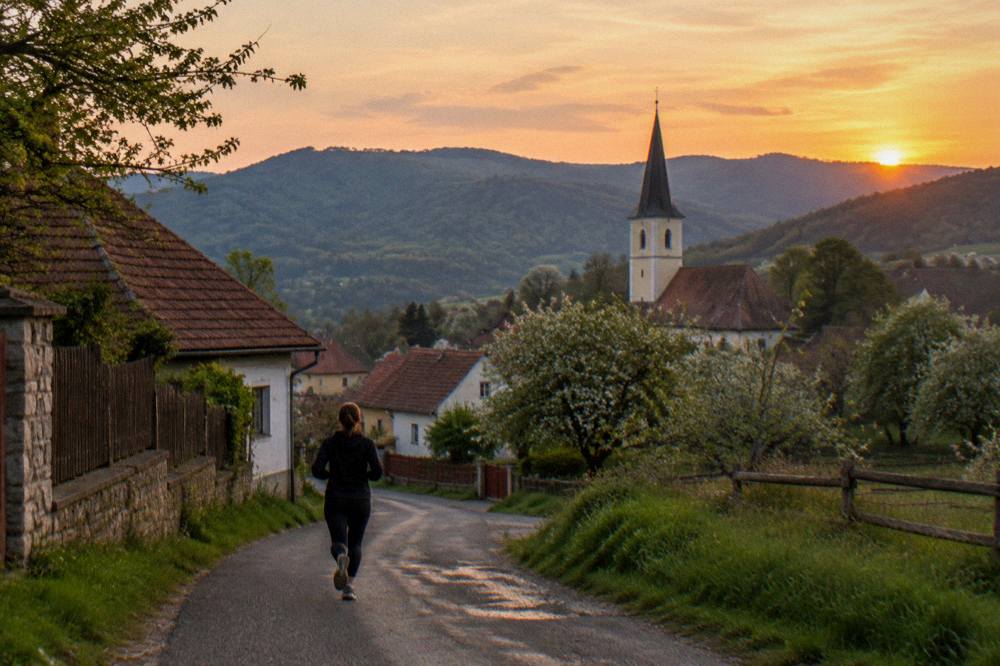
Sibiel rewards a traveller who wants the countryside behind the city: one museum, one fortified church, and an hour of lanes and meadows at the edge of the Cindrel foothills, all less than forty minutes from Piața Mare. Confirm the museum's hours, pick a clear-weather month from the table above, and the village does the rest.