ASTRA Museum: The Open-Air Village Museum In Dumbrava Forest
The ASTRA Museum spreads more than a hundred traditional houses, mills and workshops across the Dumbrava forest on the southern edge of Sibiu, in Transylvania, Romania, about 5.5 km from Piața Mare. This guide covers the ticket prices, the 2026 hours, how to reach it and what to pair it with.
Short answer
The ASTRA Museum in Sibiu is an open-air museum of traditional Romanian folk civilization in the Dumbrava forest, about 5.5 km south of Piața Mare on Calea Rășinari. An adult ticket is 50 RON, with reductions for pensioners and groups, per the museum's own ticket page. It has operated in Dumbrava since 1963 and is reached by bus, taxi or a walk through the free Dumbrava park.
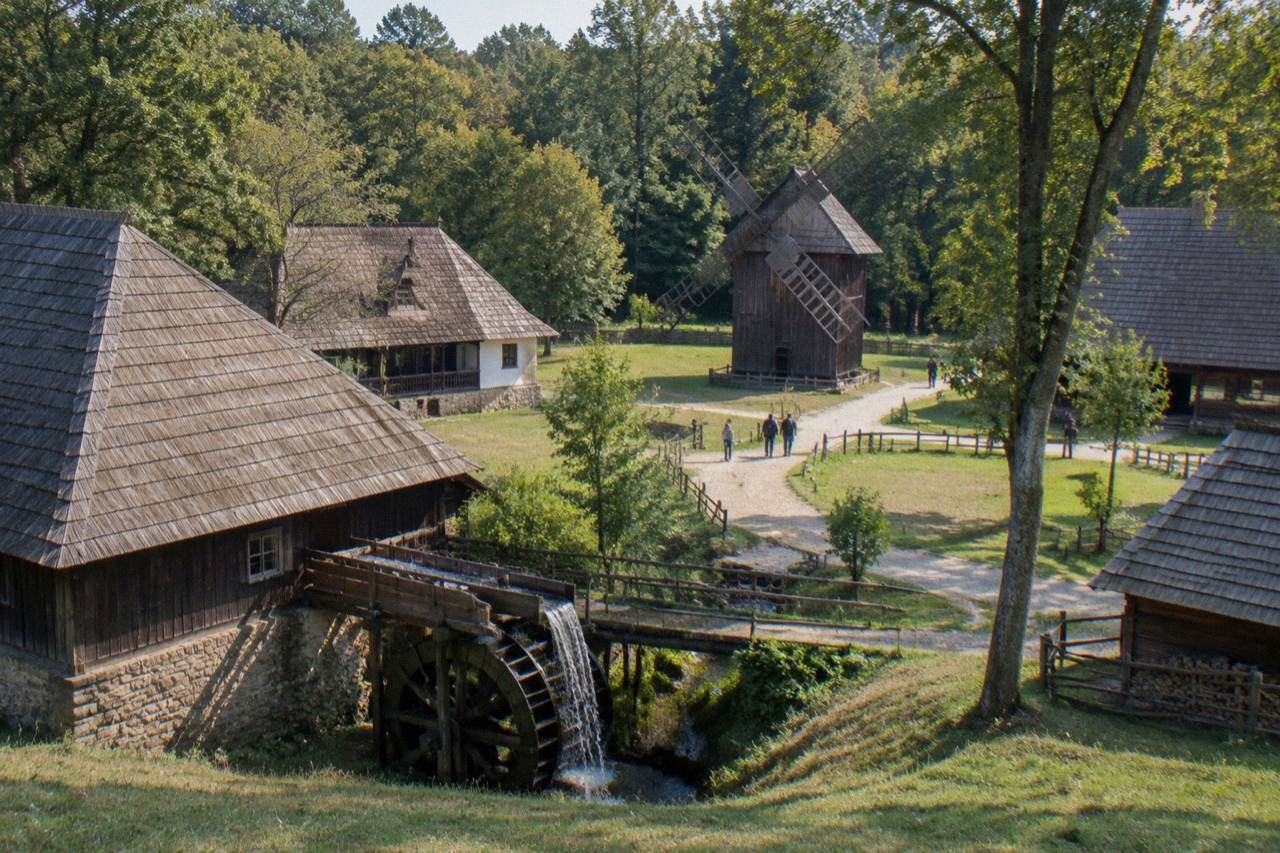
The ASTRA Museum, on Calea Rășinari at the southern edge of Sibiu, is one of the few European open-air museums set inside a natural forest rather than on a cleared plot. It is in the Dumbrava forest, about 5.5 km from Piața Mare in the old town, a distance computed from the museum's geocoded location, so this is a bus, taxi or bike trip rather than a stroll from the squares. The museum gathers traditional houses, farmsteads, mills, churches and workshops from across Romania, rebuilt among the trees, and it sits beside a free public park and lake that Sibiens use year round. This page from the Sibiu Travel Guide editorial desk covers the prices the museum's own site publishes, the hours announced so far for 2026, how to get there, and how the museum fits a wider Sibiu itinerary.
What Is The ASTRA Museum In Sibiu?
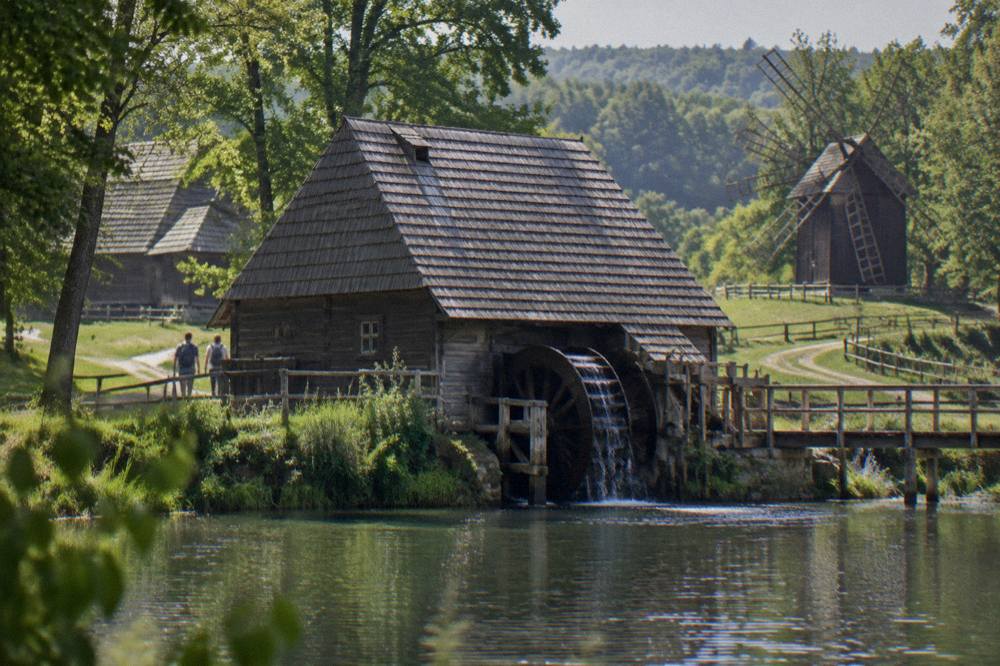
The ASTRA Museum, formally the ASTRA Museum of Traditional Folk Civilization, is Romania's open-air museum of vernacular architecture and rural technology, laid out across the Dumbrava forest in southern Sibiu. Reported by the city's tourism site, the open-air museum has functioned in Dumbrava since 1963 and continues the traditions of the ASTRA cultural association founded in 1905. Its exhibits are whole buildings, farmsteads, water mills, windmills and technical installations moved from their original villages and reassembled around the museum's lake and lanes.
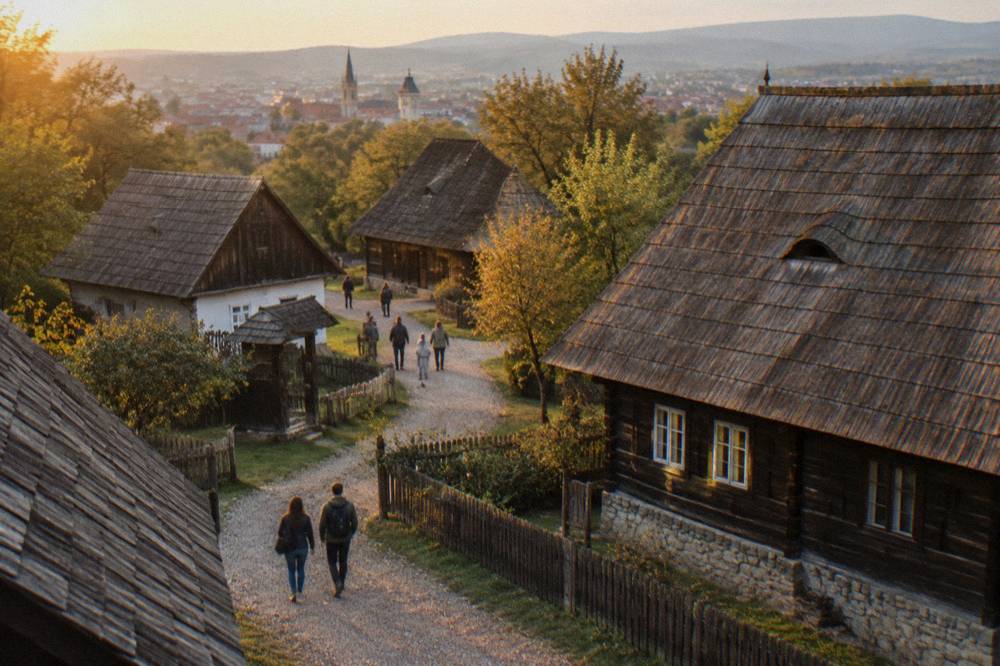
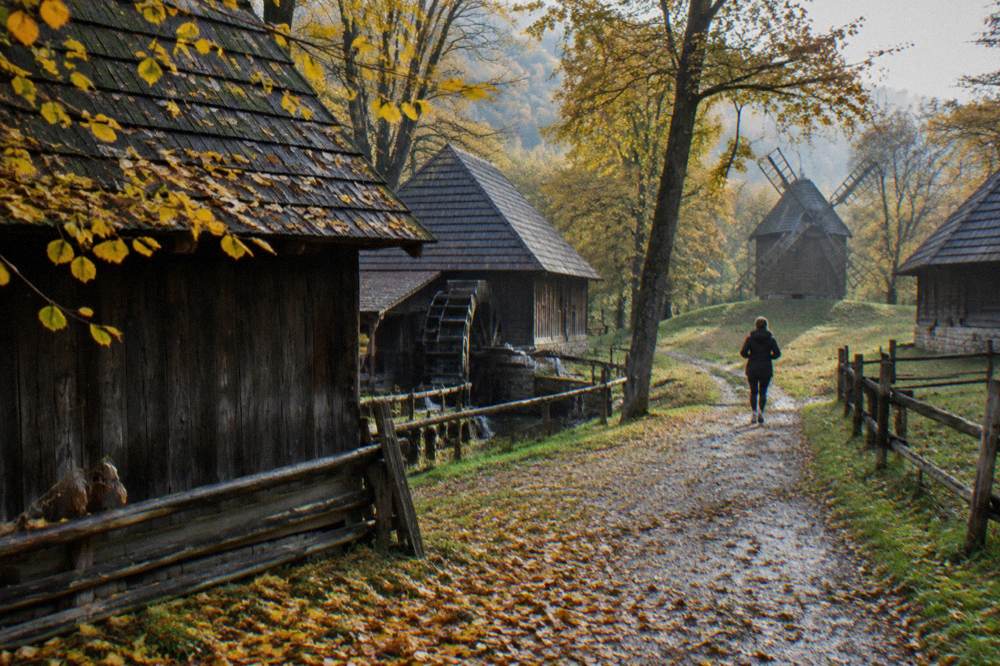
The logic of the place is geographic. Walkways thread between clusters of houses from different regions of Romania, each with its barns, fences and outbuildings, so a circuit reads as a cross-section of rural architecture rather than a single village street. The forest setting does real work here: shade in summer, colour in October, and enough space that the buildings breathe. The museum also stages craft demonstrations and folk events through the year, though the 2027 event calendar had not been announced, so check the museum's own site before planning around one.
What the museum is not is a single indoor hall. Visitors should expect walking, gravel and grass paths, and weather in the open. That shapes everything practical below: the shoes, the season, and the hours.
How Much Do ASTRA Museum Tickets Cost?
An adult ticket to the ASTRA Museum costs 50 RON, a group adult ticket 40 RON for a group of 20 or more, a pensioner ticket 20 RON and a group pensioner ticket 15 RON, per the museum's own tickets and subscriptions page. The museum also sells annual subscriptions. Prices are printed in Romanian lei (RON), the currency of Romania, at roughly 5.3 lei to the euro. Confirm the current price on the museum's own site before booking, since schedules and tariffs can change.
The full published tariff sits below. Every figure comes from the museum's own page; nothing in the table is estimated.
| Ticket type | Price (RON) | Notes |
|---|---|---|
| Adult | 50 | Standard individual entry |
| Group adult (20+) | 40 | Per person, groups of 20 or more |
| Pensioner | 20 | Reduced individual rate |
| Group pensioner | 15 | Per person, group rate |
| Annual subscription | Available | Details on the museum's own site |
Two planning notes matter. First, this is a separate institution from the Brukenthal National Museum in the centre, with its own tickets and hours, so a Brukenthal combined ticket does nothing here. Second, the reductions are not interchangeable: the group rates need a real group, and the museum's own page is the place to confirm what documentation a reduced rate needs.
What Are The ASTRA Museum Opening Hours?
The ASTRA Museum's autumn 2026 schedule runs from 21 September to 26 October 2026, with last entry reported at about 16:00. The winter schedule, covering November to March, had not been announced, so anyone visiting in that window should check the museum's own site for winter hours before travelling. The museum also notes that pavilion exhibits can keep shorter hours than the open-air grounds, with earlier last entries indoors.
The honest summary is that hours are seasonal and published in waves. The autumn announcement was an official one, carried by local news on 21 September 2026, and it fixed the window only to 26 October. Anything after that date is genuinely unknown, and a guide that promises winter hours would be inventing them. The practical consequences:
- Arrive early enough that last entry is not a problem; the grounds are large and a circuit takes a solid half day at reading pace.
- Treat the pavilion exhibits, the indoor galleries at the museum's entrance complex, as a separate clock from the open-air paths.
- If the visit falls between late October and spring, budget an extra minute on the museum's own site or a call before committing the afternoon.
The museum is not the only Sibiu institution with weekday quirks. The main Brukenthal museums in the centre are closed Monday and Tuesday, and the Brukenthal Hunting Museum is closed for an indefinite period, which matters if an ASTRA afternoon is part of a day that also touches the Brukenthal National Museum.
How Do You Get To The ASTRA Museum From Central Sibiu?
The ASTRA Museum lies about 5.5 km from Piața Mare, on Calea Rășinari at the edge of the Dumbrava forest, a figure computed from the museum's geocoded pin, so the realistic options are the city bus, a taxi or a ride app, a bike, or a drive of roughly ten to fifteen minutes. The address itself names the road: Calea Rășinari runs south out of the city towards the village of Rășinari, which lies about 18 minutes and 13 km from the centre by road.
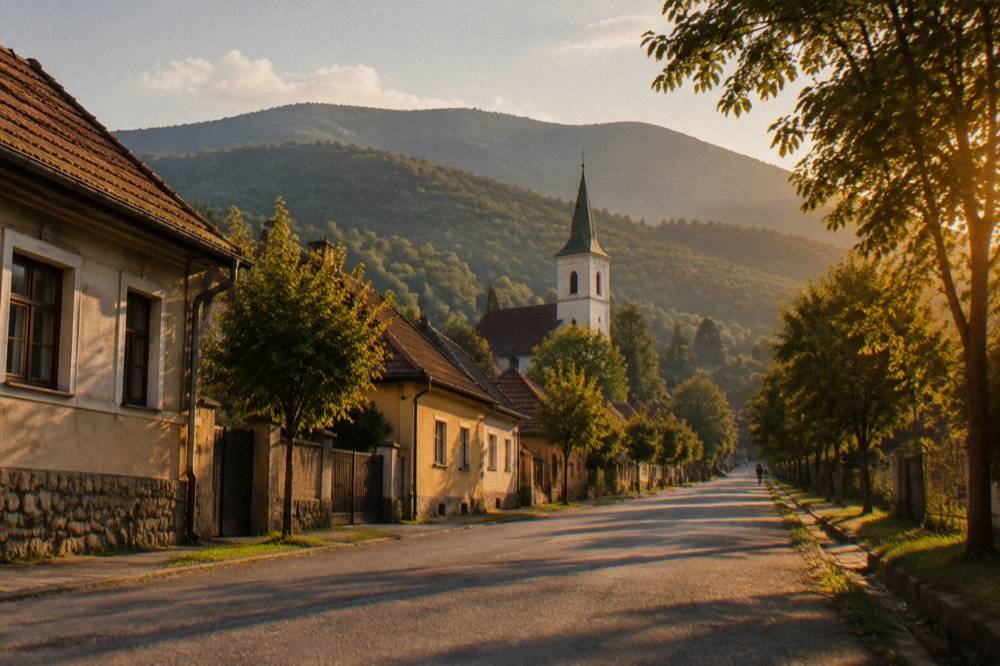
Public transport is run by Tursib, and its fares are published: a 60-minute internal ticket costs 3.5 lei, a 75-minute ticket with one transition 5 lei and a 90-minute ticket with two transitions 7 lei. Tickets are bought contactless on the bus or through the Tursib app. Which line serves the museum stop nearest the entrance should be confirmed on the Tursib site before travel, since routes change. Taxi and ride-app services operate in Sibiu, so check the meter or the app price for this trip. For orientation, the Sibiu map guide shows how Dumbrava sits relative to the old town.
| Way to reach the museum | Distance from Piața Mare | What is known |
|---|---|---|
| City bus (Tursib) | About 5.5 km | 3.5 lei for a 60-minute ticket; confirm the line on the Tursib site |
| Taxi or ride app | About 5.5 km | Services operate in Sibiu; no confirmed fare, check the app |
| Bike | About 5.5 km | Through the free Dumbrava park paths; Calea Rășinari is the direct road |
| On foot via Dumbrava | About 4.6 km to Dumbrava area, then the park | The forest is a free public park; walking is possible but adds distance |
The walk deserves a word, because the Dumbrava forest is a destination in its own right. It is a free public park with walking and cycling routes, and the museum sits inside it. A visitor who combines a forest walk with the museum gets two attractions for one journey; the Dumbrava area guide covers the park side in detail. The Sibiu Zoo is also in the Dumbrava area, though its entry price and hours were not confirmed, so check before adding it to the same day.
How Long Should A Visit Take, And What Should You Not Miss?
A visit to the ASTRA Museum is realistically a half-day outing: the grounds are large, the paths are long, and the buildings are spread across the forest and lake rather than stacked in galleries, so two to four hours is a sensible planning window for the open-air circuit alone. The museum's own materials present it as a walk among farmsteads, mills and technical installations from several regions of Romania, and the reported 1963 founding date means more than sixty years of accumulated buildings on the site.
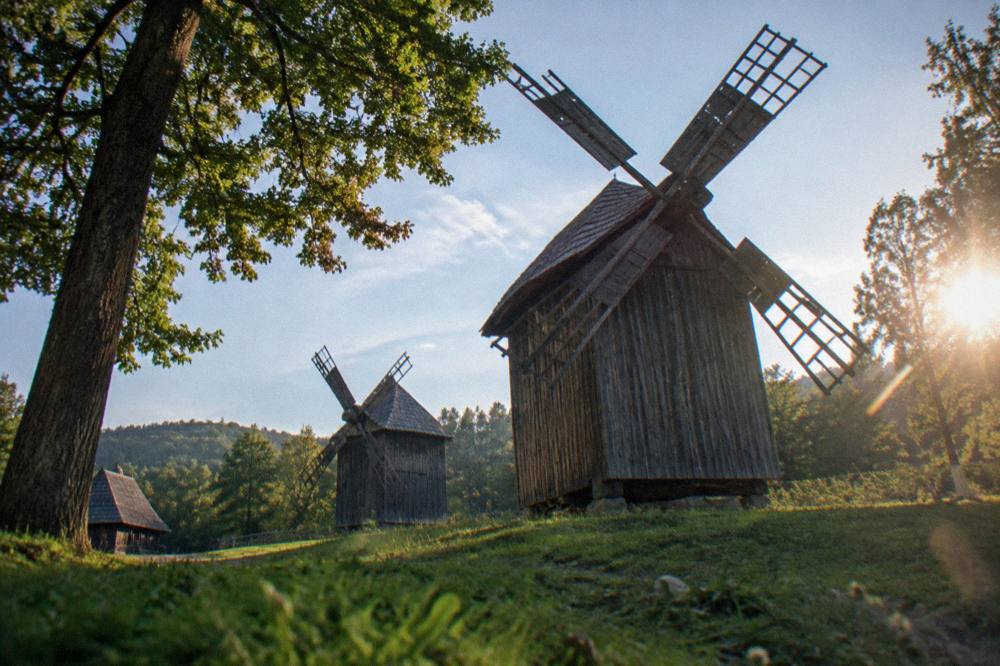
No building count or exhibit map figure exists in the site's research, so this page prints none and does not name "must-see" structures. What the sources do support is a shape: the museum is organised around traditional rural life, with dwellings, outbuildings, religious buildings and the technical installations that used water and wind power, and a lake at its centre. Three practical pointers follow from that shape:
- Start with the indoor pavilions near the entrance, which carry the thematic exhibitions, then head into the forest paths while legs are fresh. The pavilion hours can end earlier than the grounds.
- Pick a loop rather than an out-and-back, since the paths return to the entrance area by more than one route.
- Time the season as much as the clock: the forest is part of the experience, and the same circuit reads very differently under summer shade and under snow.
For visitors who want the buildings' living context, the countryside around Sibiu holds the real thing. A guided day trip through the Mărginimea Sibiului, the shepherd-village region south of the city, is this site's featured pairing: the Guided Tour Through The Heart Of Mărginimea covers the villages whose architecture the museum preserves. Check availability.
When Is The Best Time Of Year To Visit The ASTRA Museum?
May, June, September and October are the months tourism sources recommend for Sibiu overall, and they suit the ASTRA Museum especially well because its exhibits stand outdoors in a deciduous forest: the ERA5 reanalysis, 1991-2020, gives Sibiu mean daily highs of 19.1 C in May, 22.4 C in June and 19.6 C in September, falling to 14.5 C in October, with modelled sunshine of roughly 8 to 12.8 hours a day across those months and snow essentially absent from May to September.
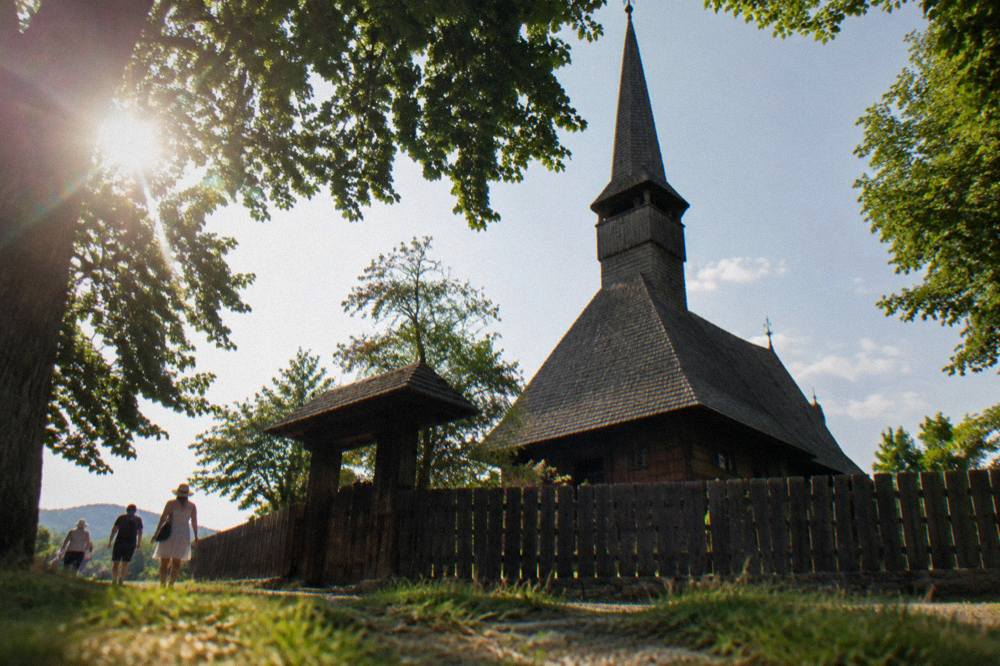
Winter is not off the table, but it is a different visit. The ERA5 reanalysis, 1991-2020, shows snowfall from November to March, with 23.3 cm modelled in January, and mean daily highs of 2.2 C that month. A snowy open-air museum can be striking, and the Păltiniș ski season opens on 28 November 2026, which pulls winter visitors to the wider area. The catch is the unannounced winter schedule: hours, and possibly access to parts of the grounds, narrow after late October. Anyone planning a November to March visit should check the museum's own site first and treat the forest paths as weather-dependent.
| Month | Mean daily high (C) | Mean daily low (C) | Modelled sun (h/day) | Modelled snow (cm) |
|---|---|---|---|---|
| May | 19.1 | 9.0 | 11.3 | 0.3 |
| June | 22.4 | 12.9 | 12.4 | 0.0 |
| July | 24.2 | 14.6 | 12.8 | 0.0 |
| August | 24.5 | 14.8 | 11.8 | 0.0 |
| September | 19.6 | 10.5 | 9.7 | 0.1 |
| October | 14.5 | 5.7 | 8.0 | 2.7 |
Temperature and sunshine figures above are ERA5 reanalysis, 1991-2020, a modelled grid cell rather than a weather-station record, and are labelled as such throughout this site. The city's own official figures give a mean annual temperature of 8.9 C and mean annual rainfall of 662 mm.
How Does The ASTRA Museum Compare With Sibiu's City Museums?
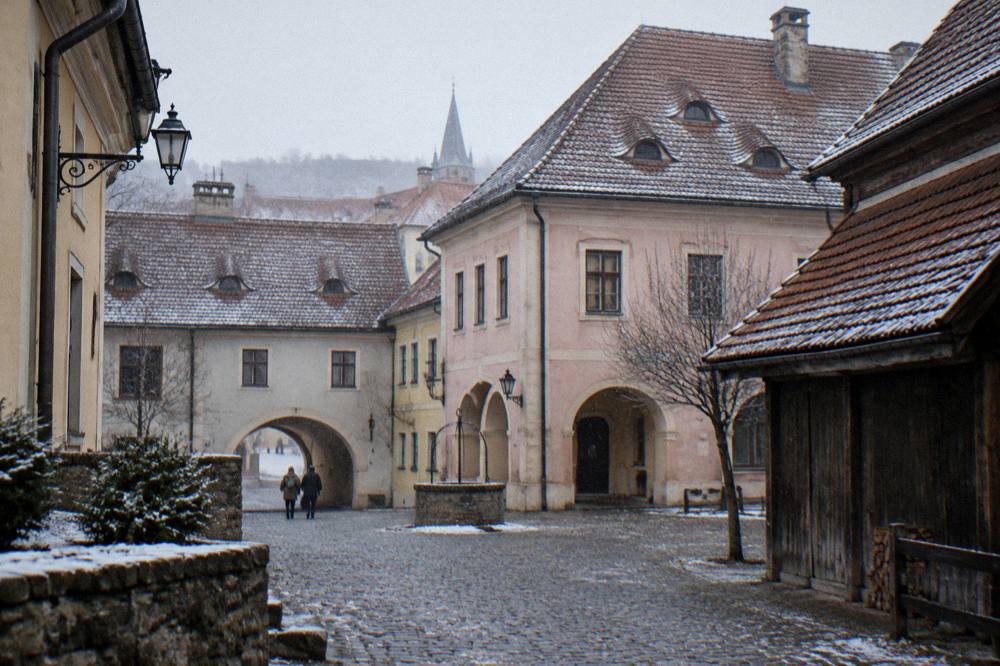
The ASTRA Museum and the Brukenthal museums in the centre are different products: ASTRA is a single outdoor site at 50 RON adult, reached by bus or taxi 5.5 km from Piața Mare, while the Brukenthal National Museum is several indoor sites with separate tickets in the old town, from 15 RON for the Contemporary Art Museum to 50 RON for Brukenthal Palace, with a combined 48-hour ticket at 120 RON, per the Brukenthal price page.
The two institutions do not share tickets, hours or closure days, so they must be planned separately.
| Museum | Location | Adult price (RON) | Days closed |
|---|---|---|---|
| ASTRA Museum (open-air) | Dumbrava forest, about 5.5 km from Piața Mare | 50 | Seasonal schedule; winter hours not announced |
| Brukenthal Palace | Piața Mare 4-5 | 50 | Monday and Tuesday |
| History Museum (Casa Altemberger) | Old town | 36 | Monday and Tuesday |
| Natural History Museum | City centre | 20 | Monday and Tuesday |
| Pharmacy History Museum | Piața Mică 26 | 16 | Monday and Tuesday |
| Contemporary Art Museum | Strada Tribunei 6 | 15 | Saturday and Sunday |
The practical read: the Brukenthal sites reward a Wednesday-to-Sunday city day, while ASTRA rewards a half-day block in its own right, reachable any day within its announced schedule. The pharmacy museum and the history museum have their own pages on this site. A three-day plan that mixes both institutions, with the squares, the Bridge of Lies and the Evangelical Cathedral tower in between, is laid out in the three-day Sibiu itinerary; the wider shortlist is on the things to do in Sibiu page.
One trap to repeat plainly, because it catches weekend planners: the Council Tower in Piața Mare has been closed to visitors since 19 January 2026 for a restoration planned at about 24 months, and the open viewpoint in the centre is the Evangelical Cathedral tower at 10 RON. Nothing about the ASTRA Museum compensates for a tower that is shut; it is simply a different attraction in a different place.
Can You Combine The ASTRA Museum With The Villages It Preserves?
Yes, and it is one of the stronger day-pairings from Sibiu: the villages whose buildings and way of life the ASTRA Museum documents lie within an hour's drive of the city, with Rășinari about 18 minutes and 13 km from Piața Mare, Sibiel about 36 minutes and 25 km, Cisnădie about 14 minutes and 10 km and Cisnădioara about 18 minutes and 13 km, all computed over road routing.
Further out, Valea Viilor is about 60 minutes and 50 km, and Viscri about 122 minutes and 118 km, near the outer edge of a long day trip.
The museum is, in a sense, an index of the countryside. Its houses came from real villages, and the Mărginimea Sibiului, the pastoral region south-west of the city around villages such as Rășinari and Sibiel, is the closest living version. The Sibiel day trip guide and the Rășinari guide cover those villages; note that Sibiel's icon-glass museum hours were not retrieved in this site's research, so confirm locally before promising it. Prices and opening rules for the fortified churches at Cisnădie, Cisnădioara, Viscri and Valea Viilor were likewise not found: check before travelling, or take a guided trip where entry logistics are handled.
| Village or site | Drive from Piața Mare | Approximate road distance |
|---|---|---|
| Rășinari | About 18 minutes | About 13 km |
| Cisnădie | About 14 minutes | About 10 km |
| Cisnădioara | About 18 minutes | About 13 km |
| Sibiel | About 36 minutes | About 25 km |
| Valea Viilor | About 60 minutes | About 50 km |
| Viscri | About 122 minutes | About 118 km |
Drive times are computed over free-flow road routing, not timetables, and should be read as "about" figures. Two guided options fit this theme directly: the Mărginimea trip above, and the Village Crafts Around Sighișoara full-day trip, which heads east into the craft villages beyond Sighișoara. Check availability.
For travellers who prefer self-guided city exploring on the same trip, the Old Town exploration game turns the centre of Sibiu into a puzzle walk between Piața Mare and Piața Mică. Check availability.
What Should You Know Before You Go?
Take these five points: the adult ticket is 50 RON on the museum's own page, the autumn 2026 schedule ends 26 October with last entry reported at about 16:00, the winter schedule is unannounced so confirm before a cold-season visit, the museum is about 5.5 km from Piața Mare and reached by bus, taxi, bike or car rather than on a short stroll, and Dumbrava forest around it is a free public park you can walk regardless of museum hours.
Wear walking shoes, carry lei or a contactless card, and check the museum's own site for any last-minute change.
A few surrounding facts help the day run smoothly. Romania uses the leu (RON) at roughly 5.3 lei to the euro, is a full Schengen member, and runs on Europe/Bucharest time, with clocks going back on Sunday 25 October 2026. Since 1 January 2026, Sibiu hotels collect a 2 percent tax on the accommodation value, a city tax worth expecting on the bill. The emergency number throughout Romania is 112. And if the day involves the Transfăgărășan road into the mountains, note that its high section can be closed on any day from 20 October under the standing rule; the current road status question has the detail.
Food is worth a line, because the museum region's cooking is its own subject: Sibiu salad, papanași, ciorbă, mici, sarmale, zacuscă and balmoș all belong to the local repertoire, and Transylvanian Saxon dishes are part of the same heritage the museum documents. The what-to-eat pages on this site cover the dishes; no restaurant names appear anywhere on this site because no venue was found in a trusted source.
Common Questions About The ASTRA Museum In Sibiu
How much does the ASTRA Museum in Sibiu cost?
An adult ticket costs 50 RON, a group adult ticket 40 RON for groups of 20 or more, a pensioner ticket 20 RON and a group pensioner ticket 15 RON, per the museum's own ticket page. Annual subscriptions are also available. Confirm the current price on the museum's own site before booking.
What are the ASTRA Museum opening hours?
The autumn 2026 schedule runs 21 September to 26 October 2026, with last entry reported at about 16:00. The winter schedule covering November to March has not been announced, so check the museum's own site for winter hours. Pavilion exhibits can close earlier than the open-air grounds.
How do you get to the ASTRA Museum from Sibiu city centre?
The museum is about 5.5 km from Piața Mare on Calea Rășinari, at the edge of the Dumbrava forest. City buses (a Tursib 60-minute ticket is 3.5 lei), taxis and ride apps all serve the route; confirm the bus line on the Tursib site. The forest paths also carry walkers and cyclists from the city side.
Is the ASTRA Museum the same as the Brukenthal Museum?
No. The ASTRA Museum is an open-air museum of traditional folk civilization in the Dumbrava forest, a separate institution with its own tickets. The Brukenthal National Museum is a group of indoor sites in the old town, from 15 to 50 RON depending on the site, with a 48-hour combined ticket at 120 RON. No shared ticket exists.
How long does a visit to the ASTRA Museum take?
Plan for a half day. The grounds are large, spread through forest around a lake, and the circuit is on foot along gravel and grass paths. Two to four hours is a sensible window for the open-air section, plus extra time for the pavilion exhibitions near the entrance.
When is the best time to visit the ASTRA Museum?
May, June, September and October, when tourism sources recommend Sibiu overall and the ERA5 reanalysis, 1991-2020, shows comfortable mean highs and little or no snow. Winter visits are possible in principle but the museum's winter hours had not been announced, so check its own site before travelling between November and March.
