Dumbrava: Forest, Zoo And The Open-Air Museum District
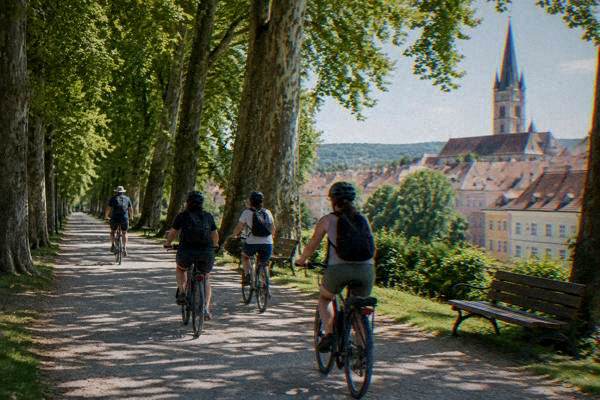
Dumbrava is the green district on Sibiu's southern edge, where the city gives way to a forest park, an open-air museum of traditional village life and a small zoo, all a short bus ride from Piața Mare.
Short answer
Dumbrava Sibiului is the forested area about 4.6 km south of central Sibiu, home to the ASTRA open-air museum (adult 50 RON), a free public forest park and the Sibiu Zoo. Tursib bus tickets cost 3.5 lei for 60 minutes, and the museum's autumn 2026 schedule runs to 26 October with last entry about 16:00.
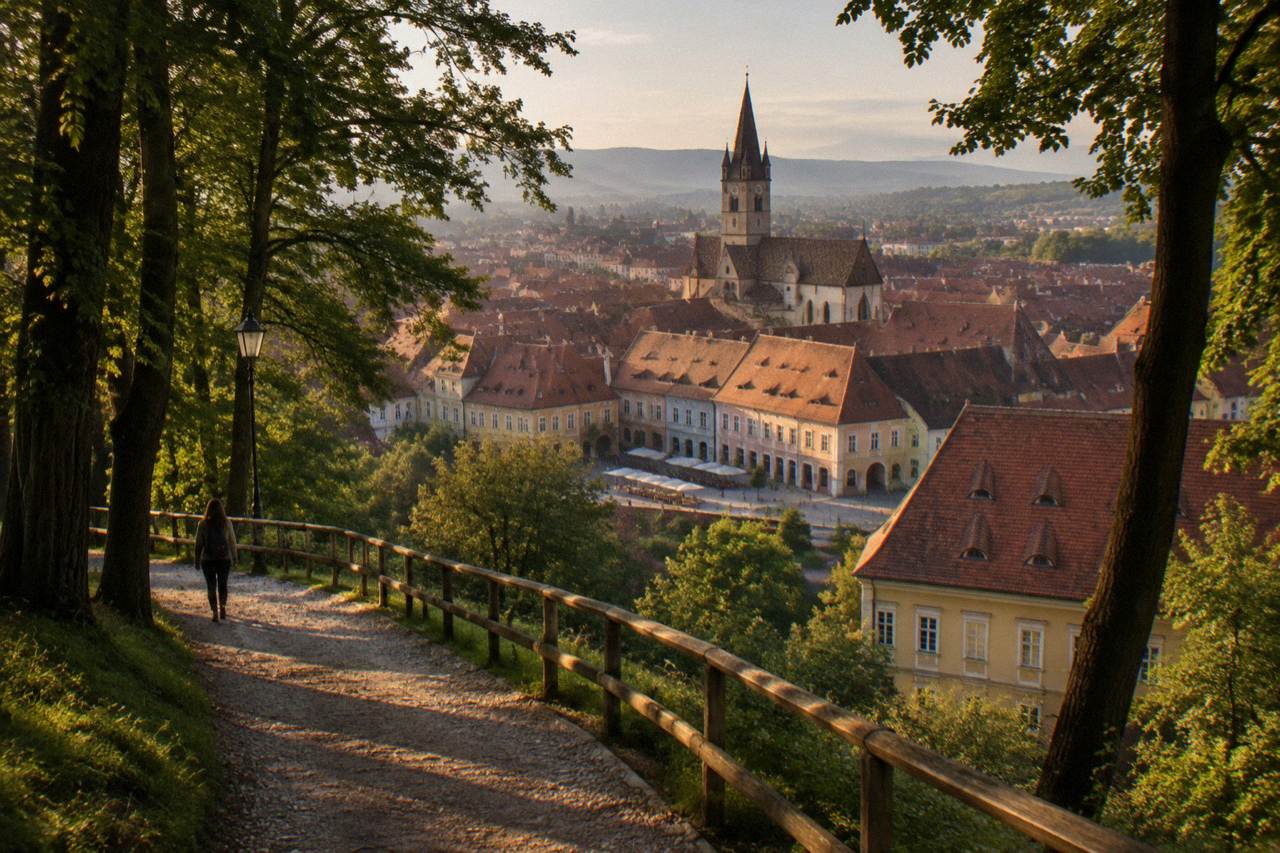
Dumbrava is the green southern edge of Sibiu, the Saxon-founded city on the Cibin river in Transylvania, central Romania, and it is where the streets of the old town give way to a forest park, a lake and one of the largest open-air museums in Europe. The district sits about 4.6 km from Piața Mare by straight line, computed from geocoded pins, so it is a short bus or taxi ride rather than a stroll from the squares. This guide from the Sibiu Travel Guide editorial desk covers what the area holds, what the ASTRA Museum charges, how the bus system gets you there, and how to plan a day around it.
What Is The Dumbrava Area Of Sibiu?
Dumbrava Sibiului is a forested district on the southern edge of Sibiu, about 4.6 km from Piața Mare by straight line, made up of a free public forest park with walking trails, the ASTRA Museum of Traditional Folk Civilization on Calea Rășinari, and the Sibiu Zoo on Calea Dumbrăvii. The name refers both to the oak forest itself and to the residential quarter that has grown along its edges.
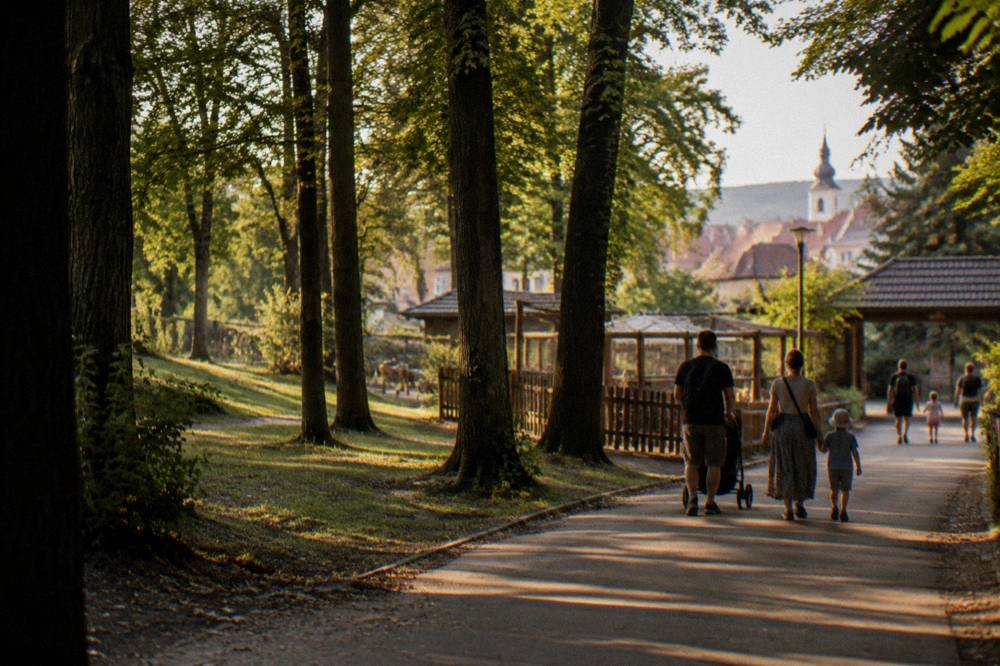
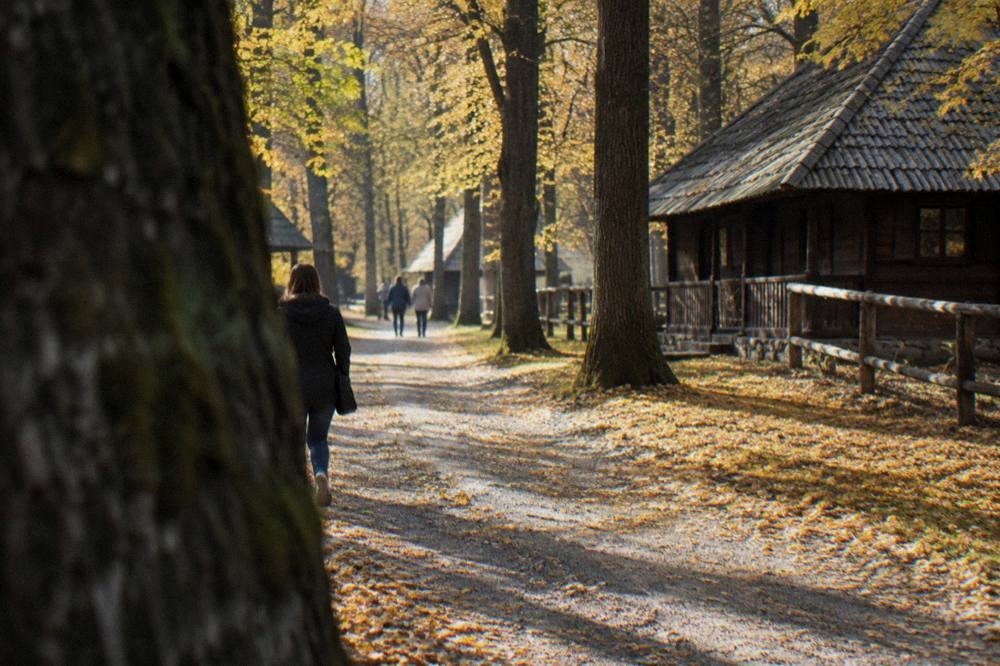
The forest is the anchor. It is a public park with no ticket and no opening price, a strip of oak and mixed woodland threaded with paths that locals use for walking and running at any hour of daylight. The Dumbrava forest guide on this site covers the park itself in more detail. Within and beside the forest sit the district's two paid attractions, the ASTRA open-air museum and the zoo, plus a lake area between them. The museum's own history, as reported by the city's tourism site, says the open-air institution has functioned in Dumbrava since 1963, continuing traditions of the ASTRA association that date to 1905.
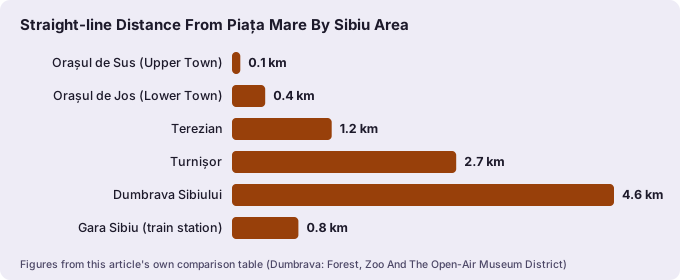
For orientation, the district is one of five defined on the Sibiu map: Upper Town and Lower Town in the medieval centre, Terezian and Turnișor as inner residential rings, and Dumbrava as the green outer belt to the south. Each is a different kind of visit, and the distances below are computed from geocoded pins, measured straight-line from Piața Mare.
| Sibiu area | Straight-line distance from Piața Mare | Character |
|---|---|---|
| Orașul de Sus (Upper Town) | 0.1 km | Medieval squares, museums, viewing points |
| Orașul de Jos (Lower Town) | 0.4 km | Historic lanes, city walls, quiet streets |
| Terezian | 1.2 km | Inner residential quarter |
| Turnișor | 2.7 km | Residential district west of the centre |
| Dumbrava Sibiului | 4.6 km | Forest park, ASTRA Museum, zoo |
| Gara Sibiu (train station) | 0.8 km | Rail arrivals, northeast of the centre |
The comparison matters for planning. A visitor with two days can give the old town the first day, using the Sibiu walking tour routes to cover the squares, and reserve the second morning for Dumbrava. The district rewards a half day rather than a quick stop, because the open-air museum alone covers a large area of forest paths between its buildings. Comfortable shoes matter more here than in the old town, where everything is cobbled but flat.
What Can You See In The ASTRA Museum In Dumbrava Sibiu?
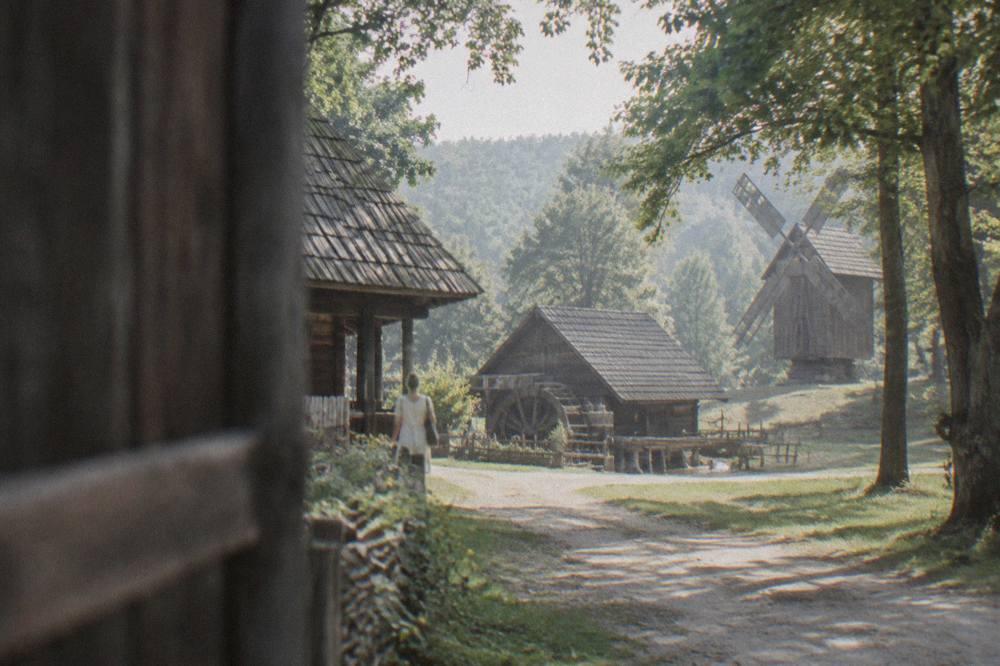
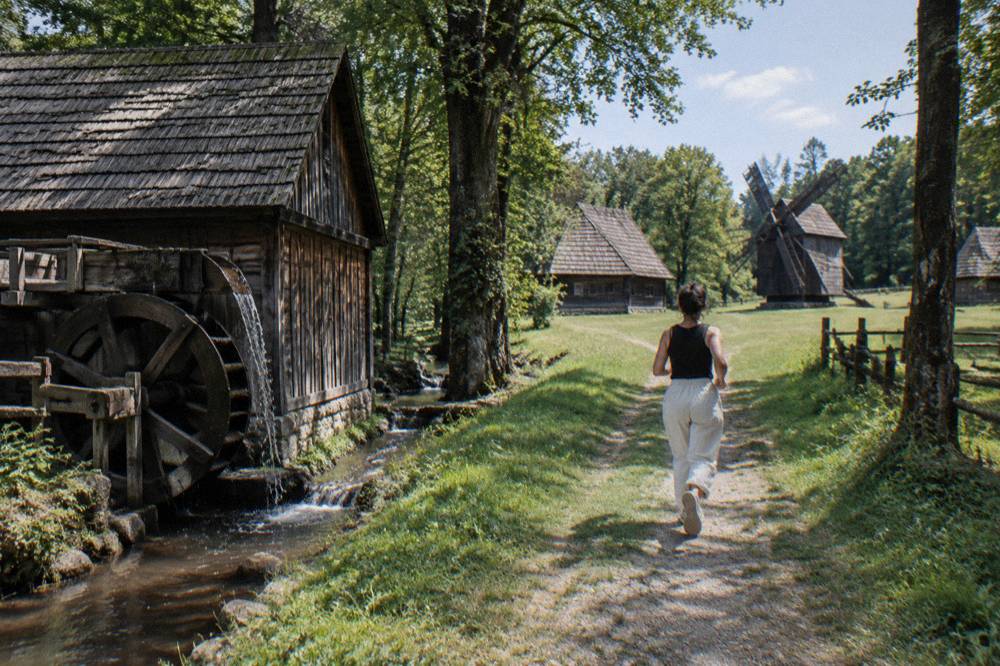
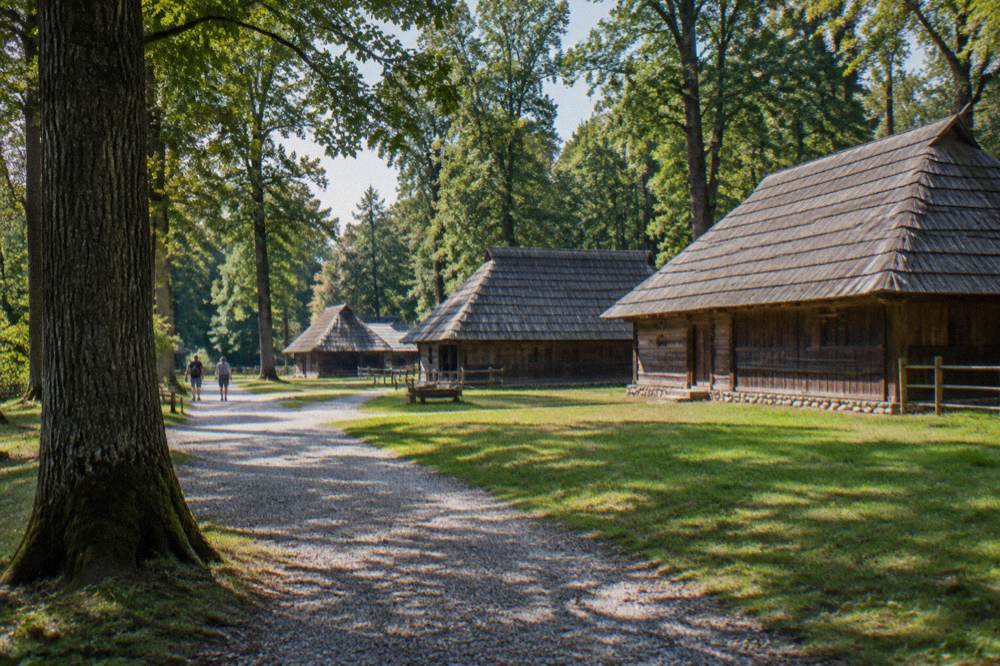
The ASTRA Museum of Traditional Folk Civilization is an open-air museum of Romanian village life spread through the Dumbrava forest, with windmills, watermills, farmhouses, workshops and wooden churches gathered from across the country, displayed along forest trails rather than in galleries. An adult ticket costs 50 RON, a group of 20 or more adults pays 40 RON each, and pensioners pay 20 RON, per the museum's own ticket page.
The museum is the reason many visitors come to Dumbrava at all. Its buildings are real structures relocated from Romanian villages, arranged by region and function, with mills powered by a system of streams running through the site. The setting is unusual among European open-air museums because it is inside a living forest rather than on open ground, and the paths between the exhibits can take a full morning to walk at a reasonable pace. The museum reports its own history in Dumbrava from 1963, continuing traditions of an association founded in 1905.
| ASTRA Museum ticket | Price (RON) |
|---|---|
| Adult | 50 |
| Adult in group of 20 or more | 40 |
| Pensioner | 20 |
| Pensioner in group of 20 or more | 15 |
Prices are the official figures from the museum's own tickets page; confirm before you go, because schedules and tariffs change with the seasons. The autumn 2026 schedule runs 21 September to 26 October, with last entry reported at about 16:00. The winter schedule had not been announced at the time the announcement was published, so check the museum's own site for winter hours before planning a November to March visit. This matters more than it would in a building museum, since the exhibits are outdoors and the walking routes get short winter days.
The museum is not the same institution as the Brukenthal National Museum in the centre, and the two are often confused in search results. The Brukenthal National Museum is a group of gallery buildings around Piața Mare and Piața Mică with separate tickets, closed Monday and Tuesday, while ASTRA is the forest site in Dumbrava with its own ticket. They share nothing administratively, and their opening days differ, so a visitor who plans ASTRA for Monday and Brukenthal for Wednesday has it exactly backwards.
A half day in Dumbrava also pairs naturally with a guided look at the countryside it represents. These options cover the museum's themes from different angles:
The self-guided option above is a city walk rather than a Dumbrava product, but it covers the old town that a Dumbrava morning leaves untouched, and its audio format suits a visitor who wants structure without a fixed group time.
For visitors who want the related experience in the company of a guide, the villages around Sibiu hold the real fortified churches and farmsteads that the museum reconstructs. The Saxon villages half-day tour{: target="_blank" style="display:none" } is described on its own page; read about the free walking tour options on the main guide for the centre.
Is The Sibiu Zoo In Dumbrava Worth A Visit?
The Sibiu Zoo sits on Calea Dumbrăvii on the district's western side, inside the same green belt as the forest and the ASTRA Museum, and it is a compact city zoo suited to a one-hour stop with children rather than a destination in itself. No entry price or opening hours have been confirmed in official sources, so check the zoo's own information before you go.
The zoo is a municipal facility, and its address on Calea Dumbrăvii places it within walking distance of the forest paths. This site's Sibiu Zoo page gathers what is known and marks the rest as unconfirmed. Families usually pair it with a forest walk, since the two share the same bus corridor from the centre, and the combined outing fills a relaxed morning without any museum pacing.
Planning around confirmed opening days matters here as much as anywhere in Sibiu. The main Brukenthal museums in the centre are closed Monday and Tuesday, and the ASTRA Museum keeps its own seasonal schedule, so a Dumbrava day works well on a Monday when the central galleries are shut. The forest itself, the squares, the Bridge of Lies and the city walls are open-air and free, with no hours at all.
How Do You Get To Dumbrava From Central Sibiu?
Dumbrava is reached by city bus along the Calea Rășinari and Calea Dumbrăvii corridors, with a 60-minute internal ticket at 3.5 lei bought contactless on board, or by taxi in about ten minutes from the centre, since the museum pin sits about 5.5 km from Piața Mare by road. Walking the whole way is possible but adds an hour each direction on streets that are not especially scenic.
The bus system is simple and cheap. The Tursib fare table lists three internal ticket options, and the airport and public-transport pages confirm the 3.5 lei contactless purchase on the bus itself. The same ticket structure applies across the city network, including the route toward Rășinari that serves the museum corridor.
| Tursib ticket | Price | Validity |
|---|---|---|
| Internal 60 minutes | 3.5 lei | 60 minutes |
| 75 minutes, 1 transition | 5 lei | 75 minutes |
| 90 minutes, 2 transitions | 7 lei | 90 minutes |
Check tursib.ro for the current route numbers serving Calea Rășinari, since numbering changes more often than fares. The museum's geocoded entrance is about 5.5 km from Piața Mare along the road, computed from routing data, which is what makes the bus or a taxi the practical choice. A taxi or ride-hailing car covers it quickly, but no fare figure is confirmed in official sources, so agree on a meter or an app price rather than a quoted lump sum.
Cyclists have a third option, and the forest paths make it pleasant once the district is reached. The route from the centre uses city streets rather than a dedicated greenway, so it suits a confident rider. For visitors staying in the Turnișor or Terezian quarters, the ride out is shorter than from the old town, since both sit on the city's western and southern rings respectively.
The district also sits on the road to Rășinari, one of the Mărginimea Sibiului shepherd villages, at about 13 km further south. That makes Dumbrava a natural first stop on a southern itinerary: museum in the morning, village in the afternoon. The bus corridor continues in that direction for travellers using public transport.
How Much Time Do You Need For Dumbrava Sibiu?
A half day is the practical minimum for Dumbrava: the ASTRA Museum alone needs two to three hours for its forest paths and buildings, the zoo adds about an hour, and travel each way takes ten to fifteen minutes by bus or car. A full day allows both attractions plus a long forest walk and lunch, and it is the better plan in late autumn when the 16:00 last entry cuts the museum afternoon short.
The museum's size is the main variable. Because the exhibits stand along trails through the woods, seeing them is a walking activity with a real duration, not a room-by-room gallery sweep. Visitors who enjoy vernacular architecture, mills and workshops can spend a whole morning; visitors with a general interest see the core routes in about two hours and still feel they have covered the site. There is no timed entry to work around, and the ticket is bought on site.
A sample structure for a Dumbrava day, built around the confirmed opening patterns:
| Time | Activity | Notes |
|---|---|---|
| 09:00 | Bus from the centre toward Calea Rășinari | 3.5 lei, 60-minute ticket |
| 09:30 to 12:00 | ASTRA Museum forest trails | Last entry about 16:00 in the autumn schedule |
| 12:00 to 13:00 | Forest walk and lake area | Free, open paths |
| 13:00 to 14:00 | Sibiu Zoo | Confirm hours before going |
| 14:30 | Bus back to Piața Mare | Same fare structure |
Two cautions apply. First, the museum's winter schedule had not been announced, so a visit planned after late October should be checked against the museum's own site rather than assumed. Second, Monday and Tuesday are dead days for the central Brukenthal museums but not automatically for ASTRA, so the opening patterns of the two institutions do not line up; plan by each institution's own days rather than by a general "museums close Monday" rule.
Visitors building a longer stay around Dumbrava can add a countryside product to the museum day, since the themes continue outside the city:
The half-day villages option in that band covers the Saxon heritage around Sibiu, the very countryside the museum's buildings come from, while the wine tasting suits an evening back in the centre after a forest morning.
What Is The Weather Like In Dumbrava Sibiu?
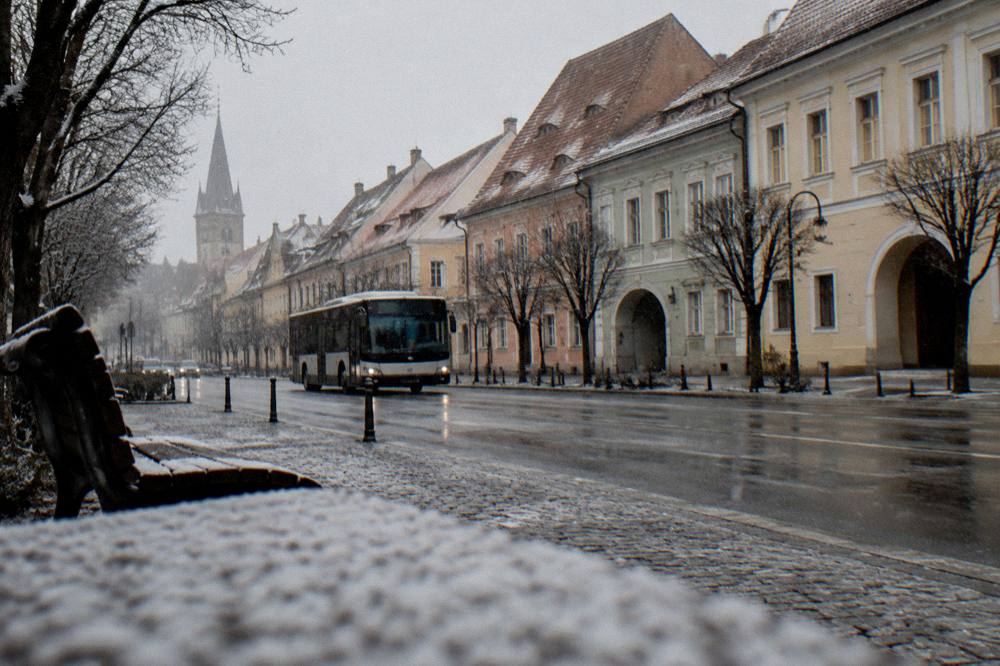
Dumbrava shares Sibiu's temperate continental climate, with cold snowy winters and warm summers, and because the district's main attraction is outdoors, the seasons shape the visit more than they do in the city's indoor galleries. January's mean daily high is 2.2 C with a low of -5.7 C, while July reaches 24.2 C by day, per the ERA5 reanalysis, 1991-2020.
The city's own official page gives a mean annual temperature of 8.9 C and mean annual rainfall of 662 mm, with June the city's wettest month at 113 mm and February its driest at 26.7 mm. For the forest district, snow cover matters as much as rain: the ERA5 reanalysis, 1991-2020, shows snowfall in every month from November to March, peaking in January at 23.3 cm, and none from June to August.
| Month | Mean high C | Mean low C | Sun h/day | Snowfall cm |
|---|---|---|---|---|
| January | 2.2 | -5.7 | 6.2 | 23.3 |
| April | 14.6 | 4.0 | 10.4 | 7.8 |
| July | 24.2 | 14.6 | 12.8 | 0.0 |
| October | 14.5 | 5.7 | 8.0 | 2.7 |
The figures are modelled normals for a grid cell near Sibiu at about 430 m elevation, not a weather-station record, and they describe climate rather than any particular week. What they imply for Dumbrava is practical: May to September gives green forest and long evenings, October gives colour but the museum's season-end schedule, and December to February turns the trails into a snow walk, which is atmospheric but limits how much of the open-air site is comfortably covered.
Where Does Dumbrava Fit In A Wider Sibiu Itinerary?
Dumbrava works best as the second-day or half-day layer of a Sibiu itinerary, after the old town's squares, towers and museums, because it offers the one thing the medieval centre cannot: open forest and a landscape-scale museum. Visitors with three or more days can add the Transfăgărășan or the Saxon villages, which sit beyond the district but continue its rural theme.
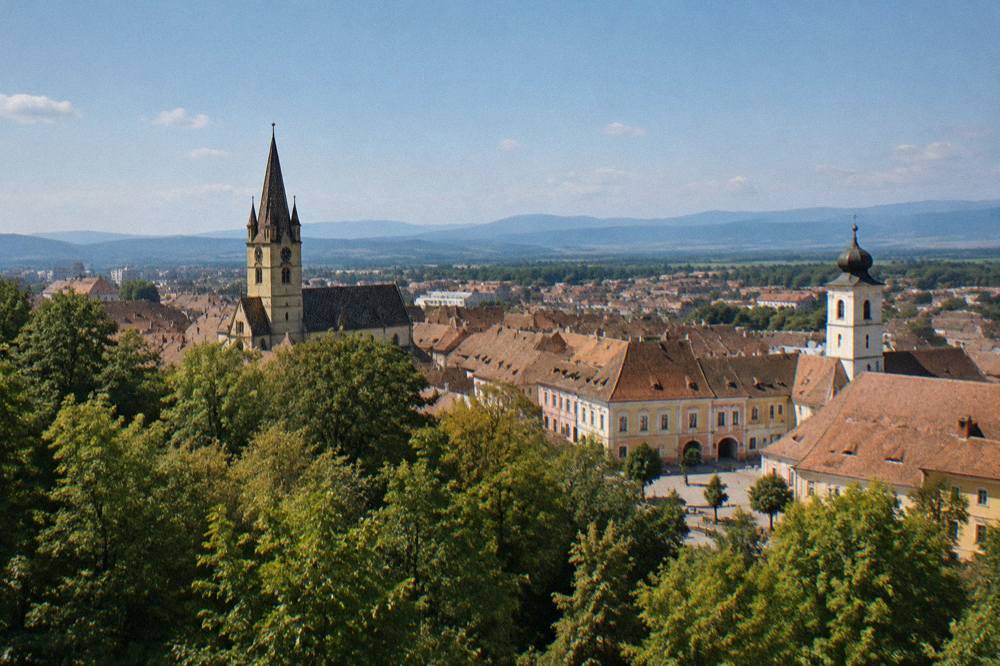
A two-day pattern serves the city well. Day one stays inside the walls: Piața Mare, Piața Mică, the Evangelical Cathedral area, the city walls and one or two Brukenthal galleries, noting their Monday and Tuesday closures. Day two heads south to Dumbrava for the museum and the forest. The things to do in Sibiu overview collects the full range of options for both days.
The mountain day trips start from the same southern corridor. The road toward Rășinari and the Transfăgărășan region leaves the city past the district's edge, though the high alpine section of that road can be closed on any day from 20 October under the standing rule, so its status must be checked live rather than assumed. Păltiniș, the small ski resort about 32 km away, opens its 2026 season on 28 November.
For a quieter city contrast, the Lower Town and the Upper Town guides cover the two halves of the medieval centre, both of them flat, cobbled and entirely walkable in a way Dumbrava's forest trails are not.
Common Questions About Dumbrava In Sibiu
How far is Dumbrava from central Sibiu?
The Dumbrava Sibiului area is about 4.6 km from Piața Mare by straight line, computed from geocoded pins, and the ASTRA Museum entrance is about 5.5 km by road. The Tursib bus covers it in a few minutes with a 3.5 lei 60-minute ticket.
How much does the ASTRA Museum in Dumbrava cost?
Per the museum's own ticket page, an adult ticket is 50 RON, a group of 20 or more adults pays 40 RON each, pensioners pay 20 RON and group pensioners 15 RON. Confirm current prices before you go.
Is the Dumbrava forest free to enter?
Yes, the forest is a free public park with no ticket and no charge for the walking paths. Only the ASTRA Museum within it, and the zoo on the district's western side, are separate paid attractions.
What are the ASTRA Museum opening hours?
The autumn 2026 schedule runs 21 September to 26 October, with last entry reported at about 16:00. The winter schedule had not been announced, so check the museum's own site for hours from November onward.
Can you visit Dumbrava on a Monday?
The forest and zoo corridor do not follow the central museums' calendar, but the main Brukenthal museums in the city centre are closed Monday and Tuesday. A Monday is therefore a reasonable day for Dumbrava, with the ASTRA Museum's own schedule checked first.
How do you get to Dumbrava by public transport?
city buses run along the Calea Rășinari and Calea Dumbrăvii corridors serving the district. A 60-minute internal ticket costs 3.5 lei and is bought contactless on the bus; check tursib.ro for current route numbers.
Dumbrava rounds out a Sibiu visit with the open-air dimension the old town lacks, and a single half day with a bus ticket, museum entry and a forest walk covers it well.