History Museum In The Altemberger House
The History Museum in the Altemberger House is the Brukenthal National Museum's history branch in Sibiu, holding the main permanent collection at 36 RON for an adult ticket, closed Monday and Tuesday.
Short answer
The History Museum (Casa Altemberger, Piața Mare 4-5, Sibiu) costs 36 RON for an adult, is open Wednesday to Sunday 9:00 to 17:00 and closed Monday and Tuesday, and forms part of the Brukenthal National Museum network.
The History Museum of the Brukenthal National Museum sits in the Altemberger House, a Gothic residence backing onto Piața Mare in Sibiu, the Saxon-founded city in Transylvania, Romania, first documented in 1191 as Cibinium. The Brukenthal National Museum's own price page lists the adult ticket at 36 RON, and the museum's visiting page is equally firm on the days: closed Monday and Tuesday, open Wednesday to Sunday. Those two facts shape almost every visit, and this guide sets out the rest: what the collection covers, how the house itself became an exhibit, what the combined Brukenthal ticket saves, and how to fit the museum into a wider stay in Sibiu.
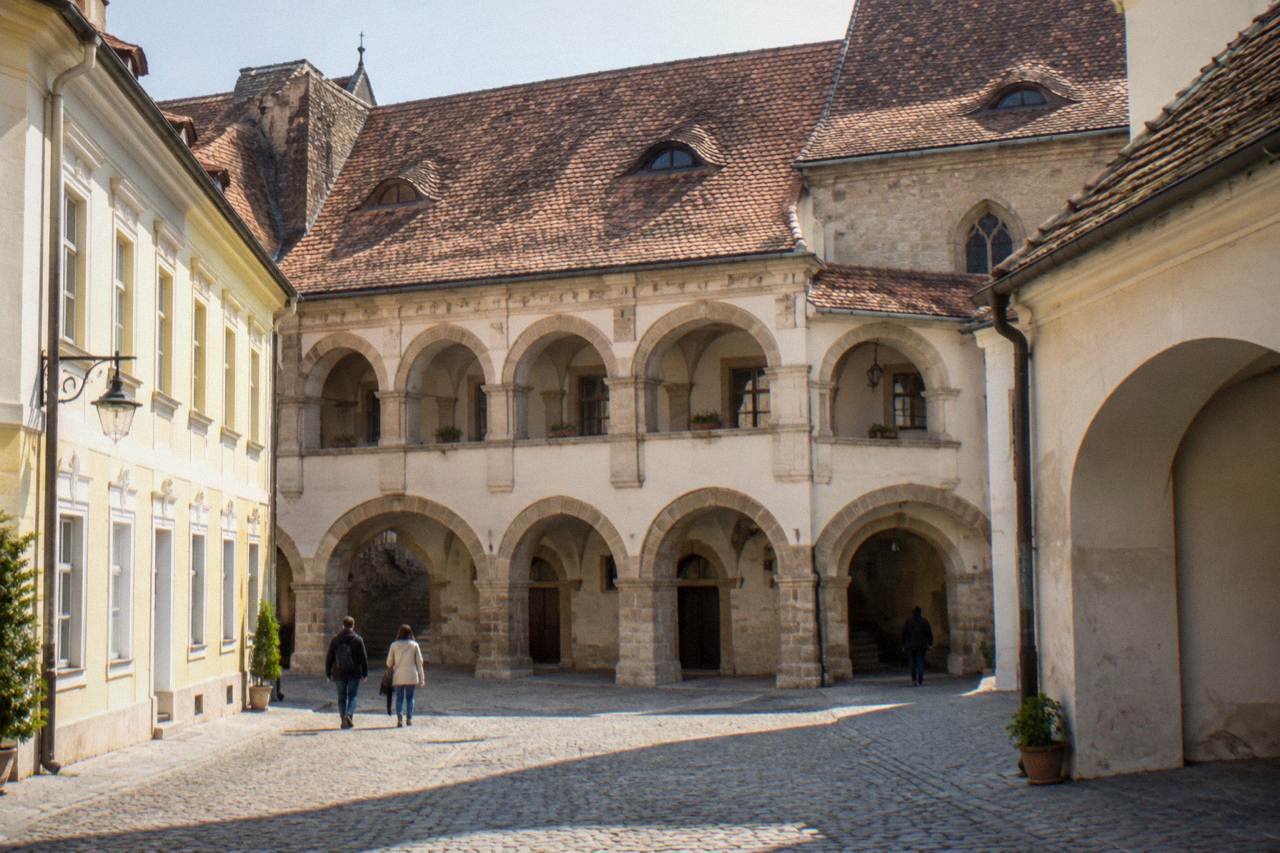
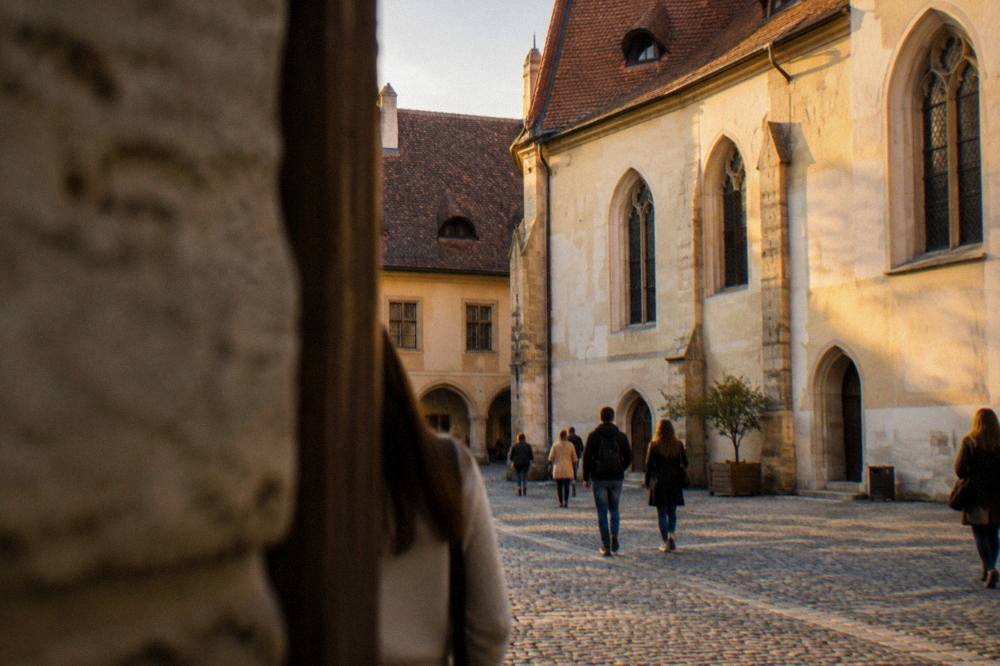
The Altemberger House is not a purpose-built museum. It is a cluster of joined medieval houses around a stone courtyard, begun as the residence of Thomas Altemberger, and the building is itself one of the reasons the collection is here rather than in the Baroque palace on the square. The history of the city, from its Saxon guilds to its fortifications, is displayed inside the very fabric that produced it, and the Brukenthal network, described in more detail in the Brukenthal National Museum guide, spreads its collections across several such historic buildings within a few minutes' walk of each other.
What Is The History Museum In The Altemberger House?
The History Museum is the history branch of the Brukenthal National Museum in Sibiu, one of its principal branches alongside the art galleries in Brukenthal Palace. It is housed in the Altemberger House at Piața Mare 4-5, a complex of Gothic and Renaissance buildings that formed one town residence, and its exhibits cover the civic and military past of Sibiu and southern Transylvania. The Brukenthal National Museum is not one building with one ticket: it is a network of separate sites, each with its own entry fee, and the History Museum is one of the principal branches alongside the art galleries in Brukenthal Palace. Its exhibits cover the civic and military past of Sibiu and southern Transylvania, and the museum reports its origins in Samuel von Brukenthal's collections, opened to the public in 1817. Confirm current displays on the museum's own site before a visit.
The house predated the museum by centuries. Reported sources on the city's heritage record that Transylvanian Saxon settlers arrived from the Moselle valley area in the 12th century, and the Altemberger complex grew in that Saxon urban world of guilds, walls and trading families. The building later passed into public hands and became the history museum's home, which is why a walk through the galleries is also a walk through stairways, vaulted cellars and courtyards that belong to the city's medieval and early-modern period.
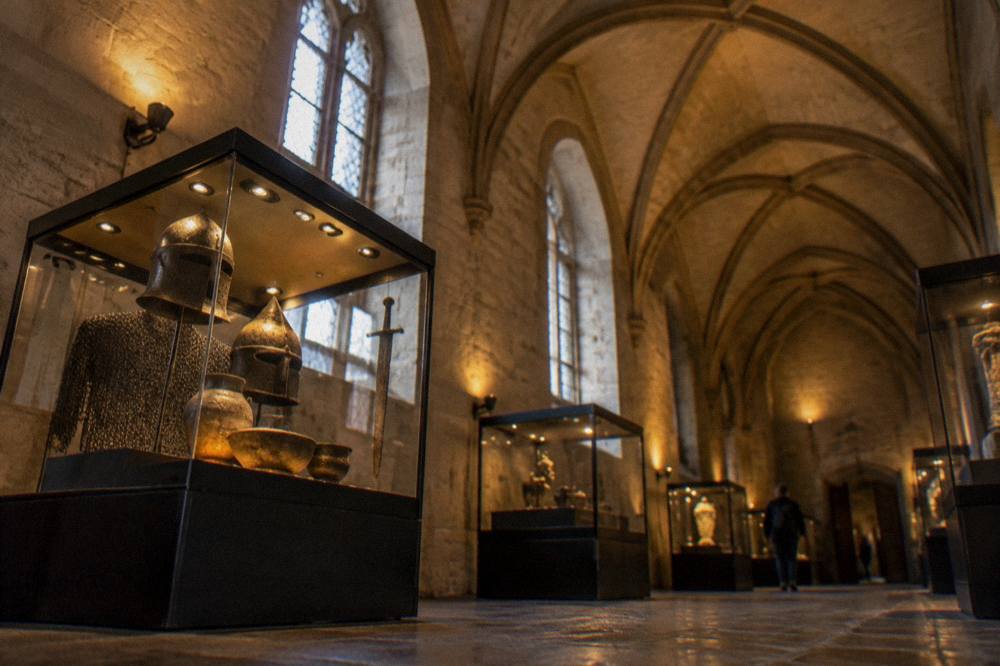
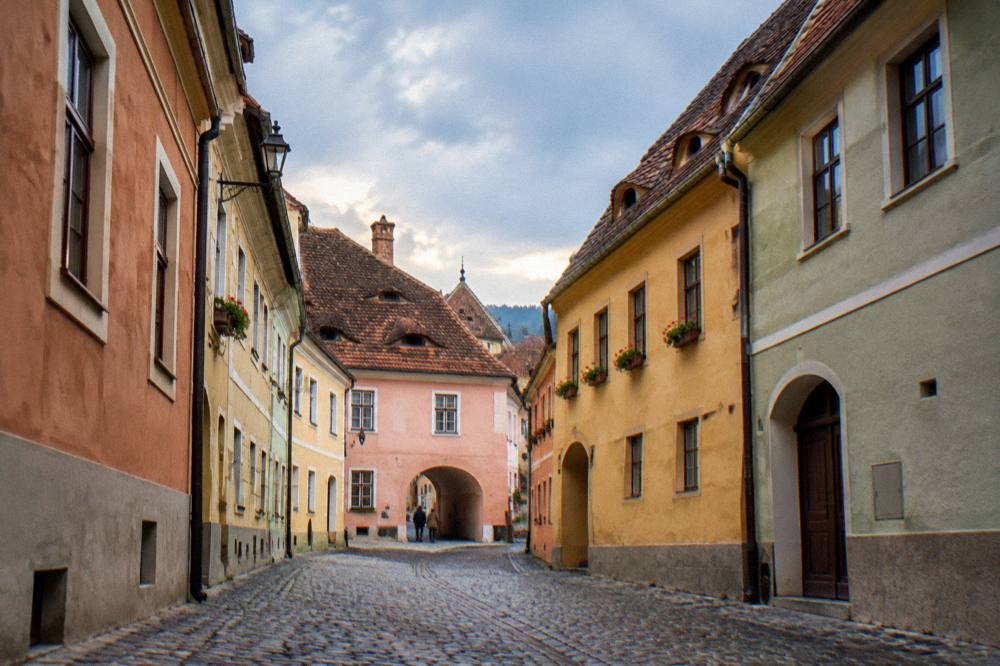
For orientation, the museum sits at the heart of the old town. Piața Mare, the grand square, is on its doorstep; Piața Mică and the Bridge of Lies are a minute or two downhill; and the Lower Town spreads out beyond the Stairs Passage. Anyone building a first visit around things to do in Sibiu will find this museum on the natural route between the square and the smaller lanes of the Lower Town.
How Much Do Sibiu History Museum Tickets Cost?
An adult ticket to the History Museum in Casa Altemberger costs 36 RON, per the Brukenthal National Museum's own price page, with pensioners paying 18 RON, pupils and students 9 RON, and children under 6 entering free; the Euro26 card is accepted at the student rate, and press reports have discussed a possible rise the official page does not yet show. A combined 48-hour ticket covering the open Brukenthal sites costs 120 RON for an adult, 60 RON for pensioners and 30 RON for pupils and students, so the combined ticket pays for itself for anyone planning to visit the Palace galleries and one or two further branches. A guided tour in Romanian or English is 200 RON per 60 minutes as a group fee. Confirm prices before you go, as press reports have discussed a possible rise that the official page does not yet show.
Children under 6 enter free at Brukenthal sites. The reductions are not interchangeable: the pensioner rate is half price and the pupil and student rate is a quarter, and the Euro26 card is accepted at the student rate.
| Ticket type | History Museum (Casa Altemberger) | Combined 48-hour Brukenthal ticket |
|---|---|---|
| Adult | 36 RON | 120 RON |
| Pensioner | 18 RON | 60 RON |
| Pupil, student, Euro26 | 9 RON | 30 RON |
| Child under 6 | Free | Free |
| Guided tour (RO/EN, group fee) | 200 RON per 60 min | 200 RON per 60 min |
The arithmetic matters for itinerary planning. A visitor who intends to see the Palace galleries (50 RON), the History Museum (36 RON) and the Pharmacy History Museum (16 RON) separately would pay 102 RON in adult tickets, against 120 RON for the 48-hour pass that also covers the Natural History Museum and the Contemporary Art Museum. Two visits in, the pass is already close to break-even; three or four, and it is clearly the cheaper route.
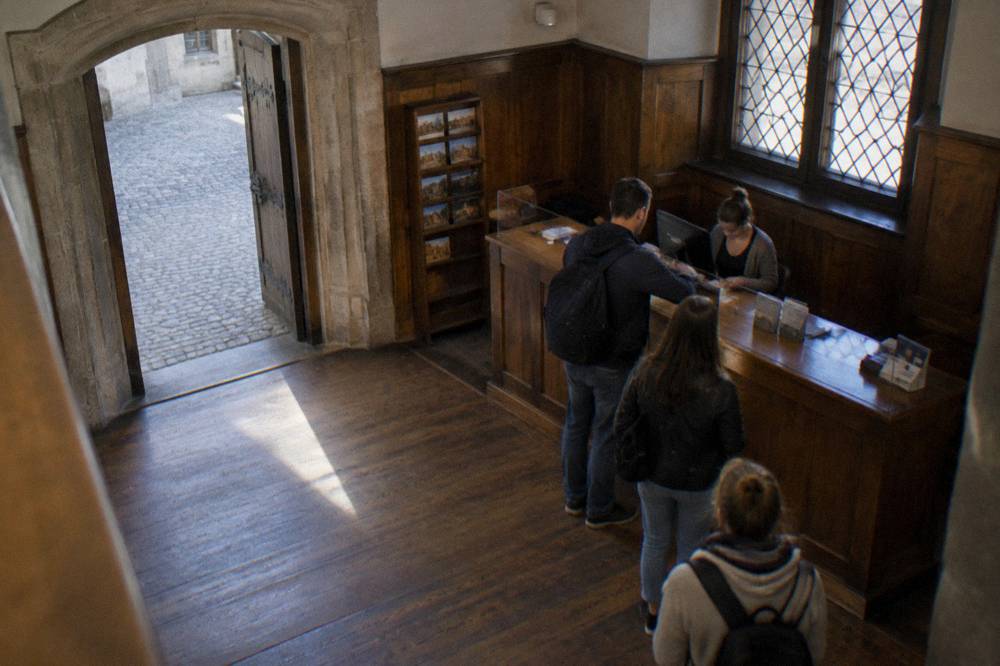
Tickets are bought at the museum itself. No online price or e-ticket detail was found in the research for this page, so plan on paying at the cashier, and note the cashier closes shortly before the museum does. Visitors who would rather have the city's history narrated than read it from cases can pair the museum with a guided experience; the Sibiu walking tour covers the old town's landmarks, and for something stranger, a drive through Sibiu in a classic Romanian car pairs communist-era history with the medieval core. Check availability for that one on the operator's live listing.
What Are The Opening Hours Of The Sibiu History Museum?
The History Museum, Casa Altemberger, is closed on Monday and Tuesday and open Wednesday to Sunday from 9:00 to 17:00, with the cashier closing at about 16:15 to 16:30, per the Brukenthal National Museum's visiting page. This Monday-and-Tuesday closure applies across the main Brukenthal museums. Hours can shift with the season, so confirm on the museum's own site before setting out. This Monday-and-Tuesday closure applies across the main Brukenthal museums, including the Palace galleries and the Pharmacy History Museum, so a start-of-week visit to Sibiu finds the principal indoor collections shut. The Contemporary Art Museum runs the opposite pattern, open Monday to Friday 9:00 to 17:00 and closed at weekends. Hours can shift with the season, so confirm on the museum's own site before setting out.
That pattern deserves a line in any itinerary. A Tuesday arrival in Sibiu can still fill its days: the squares, the Bridge of Lies, the city walls, the Evangelical Cathedral tower and the open-air ASTRA Museum in Dumbrava forest do not follow the Brukenthal calendar. But the History Museum, the Palace and the Pharmacy Museum all need a Wednesday-to-Sunday slot.
| Brukenthal site in Sibiu | Days open | Hours | Cashier closes |
|---|---|---|---|
| History Museum, Casa Altemberger | Wednesday to Sunday | 9:00 to 17:00 | about 16:15 to 16:30 |
| Brukenthal Palace galleries | Wednesday to Sunday | 10:00 to 18:00 | 17:15 |
| Pharmacy History Museum | Wednesday to Sunday | 9:00 to 17:00 | about 16:15 to 16:30 |
| Natural History Museum | Wednesday to Sunday | 9:00 to 17:00 | about 16:15 to 16:30 |
| Contemporary Art Museum | Monday to Friday | 9:00 to 17:00 | before close |
| Hunting Museum (August von Spiess) | Closed indefinitely | Pre-booked groups only | Not applicable |
Note the last row. The Hunting Museum is closed for an indefinite period and receives only pre-booked groups of ten or more, so no spontaneous visit is possible; the museum of hunting weapons page covers that closure in full. The Pharmacy History Museum, by contrast, is a two-minute walk away in Piața Mică 26 and makes an easy pairing with the History Museum on the same afternoon.
For travellers who want history delivered rather than displayed, the Dacia 1300 car tour runs through the city's layers, medieval to communist, on a route the museums cannot follow.
What Can You See Inside The Sibiu History Museum?
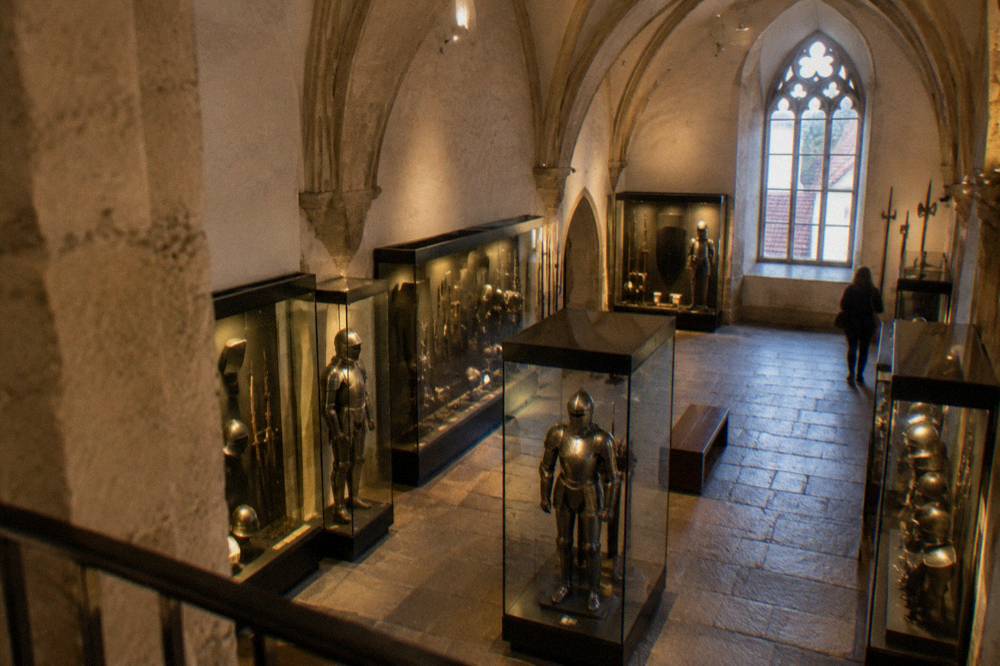
The History Museum holds the Brukenthal network's civic and military collections: artefacts of Sibiu's Saxon guilds, weaponry and armour, coinage and treasury pieces, plus exhibits on the city's fortifications, guild life and later civic history, all inside the Altemberger House complex. The house itself is part of the display, with vaulted halls, stair towers and the courtyard showing how a wealthy Sibiu family lived and defended itself. Specific temporary exhibitions rotate, so treat the collection outline above as the standing structure and check the museum's own site for what is on now.
The through-line of the collection is the city's self-government. Sibiu's Saxon burghers ran their own institutions for centuries, and the museum's material culture, seals, weapons, coinage, tools and craftwork, documents that world in detail. The city's own chronology, as reported by sibiu.ro, pushes the story even further back, listing a hospital in 1292, a school in 1380 and a pharmacy in 1494 as the first of their kind on current Romanian territory, claims worth reading as the city's own account of itself. Everything else covered here is indexed on Sibiu Travel Guide.
For visitors who want the wider frame, the Sibiu history guide on this site sets out the documented record: the 1191 first mention as Cibinium, the seat of the free prepositure of the Germans in Transylvania, and the Saxon settlement reported from the 12th century onward. The museum's galleries and the city's architecture tell the same story in two mediums, and the two reward being read together.
Where Is Casa Altemberger In Sibiu And How Do You Reach It?
Casa Altemberger stands at Piața Mare 4-5, on the western side of Sibiu's grand square, inside the pedestrian old town, with its complex running back toward Pasajul Scărilor and the Lower Town. Gara Sibiu, the train station, sits about 0.8 km away, a walk of roughly ten to twelve minutes, and a city bus ticket for 60 minutes costs 3.5 lei. The address is the whole of the orientation a visitor needs: the museum is inside the pedestrian old town, about as central as a building in Sibiu can be. Gara Sibiu, the train station, sits about 0.8 km from Piața Mare, a walk of roughly ten to twelve minutes, and a city bus ticket for 60 minutes costs 3.5 lei if the weather argues against walking.
The old town itself is compact. From the museum's door, the Brukenthal Palace galleries face across Piața Mare; Piața Mică and the Bridge of Lies lie one block east; the Council Tower, closed for restoration since 19 January 2026 with work planned at about 24 months, stands between the two squares; and the Evangelical Cathedral closes the view from Piața Huet a short climb north. The open viewpoint in that quarter is the cathedral tower, 10 RON for an adult.
| Nearby sight | Relation to Casa Altemberger | Access |
|---|---|---|
| Brukenthal Palace galleries | Faces Piața Mare, same square | 50 RON adult, closed Mon and Tue |
| Council Tower | Between the two squares | Closed for restoration since 19 January 2026 |
| Pharmacy History Museum | Piața Mică 26, about 2 minutes on foot | 16 RON adult, closed Mon and Tue |
| Natural History Museum | Short walk within the old town | 20 RON adult, closed Mon and Tue |
| Stairs Passage and Lower Town | Downhill behind the museum | Free, open public passage |
| Evangelical Cathedral tower | A few minutes north, via Piața Huet | Tower 10 RON adult |
Visitors arriving by air should know that Sibiu International Airport lies about 5 to 6 km from Piața Mare, with Tursib bus line 11 stopping at the terminal; the journey planning is covered on the airport pages of this site. There is nothing else to arrange: the museum's position inside the pedestrian core means no parking decision, no transit transfer and no timetable beyond the museum's own opening days.
How Does The History Museum Compare With The Other Brukenthal Museums In Sibiu?
The History Museum at 36 RON sits in the middle of the Brukenthal price range, below the Palace galleries at 50 RON and above the Pharmacy at 16 RON, the Natural History at 20 RON and the Contemporary Art at 15 RON, and it is the branch for visitors whose interest is the city's past rather than its paintings. All the main branches share the Monday-and-Tuesday closure, all sell separate tickets, and the 48-hour combined ticket at 120 RON spans them. The choice between them is a choice of subject, not of quality.
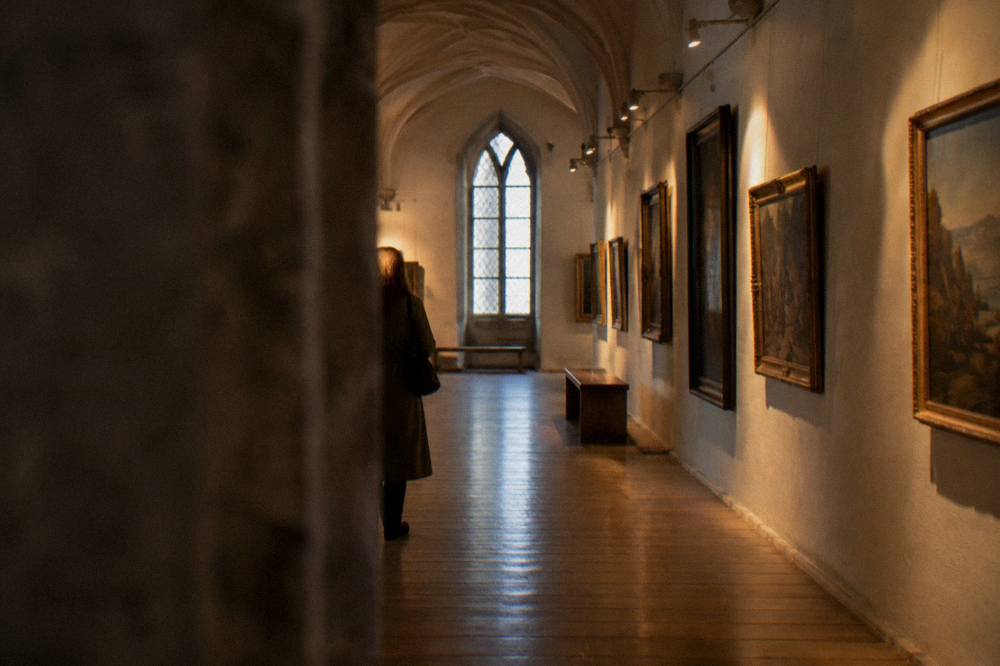
The Palace galleries hold the European and Romanian art collections, the museum's founding inheritance, reported as opened to the public in 1817 from the collection assembled by Samuel von Brukenthal, governor of Transylvania from 1777 to 1787. The History Museum holds the city's material record. The Pharmacy History Museum, in the house "Sub Ursul Negru", traces the apothecary trade in a city whose own chronology claims a pharmacy from 1494. The Natural History Museum rounds out the set, and the Contemporary Art Museum runs its weekday-only schedule on Strada Tribunei.
| Brukenthal branch | Adult ticket | Subject | Days closed |
|---|---|---|---|
| Brukenthal Palace | 50 RON | European and Romanian art | Monday, Tuesday |
| History Museum, Casa Altemberger | 36 RON | Civic, guild and military history | Monday, Tuesday |
| Natural History Museum | 20 RON | Natural sciences | Monday, Tuesday |
| Pharmacy History Museum | 16 RON | History of pharmacy | Monday, Tuesday |
| Contemporary Art Museum | 15 RON | Contemporary art | Saturday, Sunday |
| Hunting Museum | Closed indefinitely | Hunting and weapons | All days |
One reported detail for art-minded visitors: a temporary exhibition of painting after Dürer, "Umbre colorate. Picturalizări după Dürer", runs at the Palace to 31 December 2026, per the museum's press release. It is a reason to keep the Palace on the same itinerary as the History Museum, and the 48-hour ticket covers both.
Beyond the Brukenthal network, the ASTRA Museum in the Dumbrava forest offers the open-air counterpart: traditional houses, mills and farmsteads spread across a lakeside park, adult ticket 50 RON, with an autumn schedule running to 26 October 2026 and last entry about 16:00, and its winter schedule not yet announced. Between the indoor history collections and the open-air village museum, Sibiu covers the material culture of Transylvania about as completely as a single city can.
How Much Time Do You Need At The Sibiu History Museum?
A visit to the History Museum takes roughly one to two hours for the permanent galleries, and the combined Brukenthal circuit across three or four branches is a realistic full day spread over two, which is exactly the window the 48-hour combined ticket is built around. The building's own layout, stairways and courtyards add walking time beyond the exhibit halls, and the cashier closing before the museum does sets the true last admission. No average-visit figure appears in the research for this page, so treat these as planning ranges rather than operator claims.
A sensible pattern for a two-day stay is the Palace galleries plus the History Museum on one day, with Piața Mare, the Bridge of Lies and the cathedral tower between them, then the Pharmacy and Natural History museums plus the Lower Town on the next. Anyone with a third day has the full range of day trips: the Saxon fortified churches, the Dumbrava forest and ASTRA, or the mountains south of the city. The choice of what fills the remaining hours is what the itineraries on this site are for.
Common Questions About The Sibiu History Museum
How much is the History Museum in Sibiu?
An adult ticket costs 36 RON, per the Brukenthal National Museum's own price page. Pensioners pay half and pupils, students and Euro26 holders a quarter. A combined 48-hour ticket covering the open Brukenthal sites is 120 RON adult. Confirm prices before you go.
Is the Sibiu History Museum open on Monday?
No. The museum is closed on Monday and Tuesday and open Wednesday to Sunday from 9:00 to 17:00, with the cashier closing at about 16:15 to 16:30. The other main Brukenthal museums share the same Monday-and-Tuesday closure.
Where is the History Museum in Sibiu located?
The museum is in the Altemberger House at Piața Mare 4-5, on the western side of the grand square in the pedestrian old town. Gara Sibiu is about 0.8 km away, and a Tursib 60-minute bus ticket costs 3.5 lei.
Is the History Museum worth it compared with Brukenthal Palace?
The two serve different interests rather than different quality levels. The Palace, at 50 RON, holds the European and Romanian art galleries; the History Museum, at 36 RON, holds the civic, guild and military collections inside a medieval house. The 48-hour combined ticket at 120 RON covers both.
Can you buy Brukenthal tickets online?
No online price or e-ticket detail was found for this page. Plan to buy at the museum cashier, and note it closes shortly before the museum does. A guided tour in Romanian or English costs 200 RON per 60 minutes as a group fee.
How long does a visit to the History Museum take?
Roughly one to two hours covers the permanent galleries, with the building's stairways and courtyards adding time. A circuit of three or four Brukenthal branches is a realistic full day spread over two, which the 48-hour combined ticket is designed for.
The Altemberger House rewards the visitor who arrives knowing its two hard facts, 36 RON at the door and Wednesday to Sunday only, and leaves room for the rest: the palace across the square, the pharmacy museum downhill, and the towers and walls of a city whose museum and whose streets tell one continuous story.
